
Category: Spiritual and Theological Concepts
-

What the Bible Says About Fermentation: Understanding Its Spiritual Meaning
In the Bible, fermentation often symbolizes decay and corruption, as seen in Jesus’ warnings against the “leaven of the Pharisees” (Matthew 16:6), representing hypocrisy and sin. Additionally, yeast is sometimes viewed positively, illustrating growth and transformation, as seen in the parable of the leaven (Matthew 13:33), signifying the kingdom of heaven’s pervasive influence. Scripture 20…
-

What the Bible Says About the Meaning of Legs
In the Bible, legs often symbolize strength and the ability to walk in righteousness or follow God’s path (Isaiah 52:7). Additionally, legs can represent the readiness to spread the Gospel, as seen in Romans 10:15, where “beautiful are the feet of those who bring good news.” Scripture 7 Like a lame man’s legs, which hang…
-

What the Bible Says About the Ancient Meaning of Sepulchre
In the Bible, a sepulchre refers to a burial place or tomb, symbolizing death and the finality of life. Its significance is highlighted in the context of Jesus’ crucifixion and resurrection, where the sepulchre became the site of His death and the miraculous event of His rising from the dead, offering hope of eternal life…
-

What the Bible Says About the Meaning of Sky
In the Bible, the sky often symbolizes the divine realm and God’s majesty, serving as a backdrop for His creation and the fulfillment of His promises. It is also associated with God’s sovereignty and power, as seen in verses that reference the heavens declaring His glory (Psalm 19:1). Scripture 6 And God said, “Let there…
-

What the Bible Says About Creatio Ex Nihilo: Understanding Creation from Nothing
In the Bible, “creation ex nihilo” refers to the belief that God created the universe out of nothing, as affirmed in Genesis 1:1, which states, “In the beginning, God created the heavens and the earth.” This concept emphasizes God’s sovereignty and the idea that everything that exists is a result of His divine will and…
-

What the Bible Says About Numa: Understanding Its Definition and Significance
In the Bible, “numa” (Greek: πνεῦμα) refers to “spirit” or “breath,” often signifying the divine presence, the Holy Spirit, or the life-giving force within humans. It represents both the immaterial aspect of a person and God’s active influence in the world. Scripture 1 In the beginning, God created the heavens and the earth. 2 The…
-

What the Bible Says About Being Carnally Minded
In the Bible, being “carnally minded” refers to having a mindset focused on earthly, fleshly desires and worldly concerns rather than spiritual matters. This concept is often associated with leading to spiritual death, as highlighted in Romans 8:6, which states that “to be carnally minded is death; but to be spiritually minded is life and…
-

What the Bible Says About His Kingdom: A Definition and Exploration
God’s Kingdom in the Bible refers to the reign and rule of God over all creation, characterized by righteousness, peace, and joy in the Holy Spirit (Romans 14:17). It is both a present reality, where believers live under God’s sovereignty, and a future hope, anticipating the fulfillment of God’s ultimate plan (Revelation 21:1-4). Scripture 9…
-
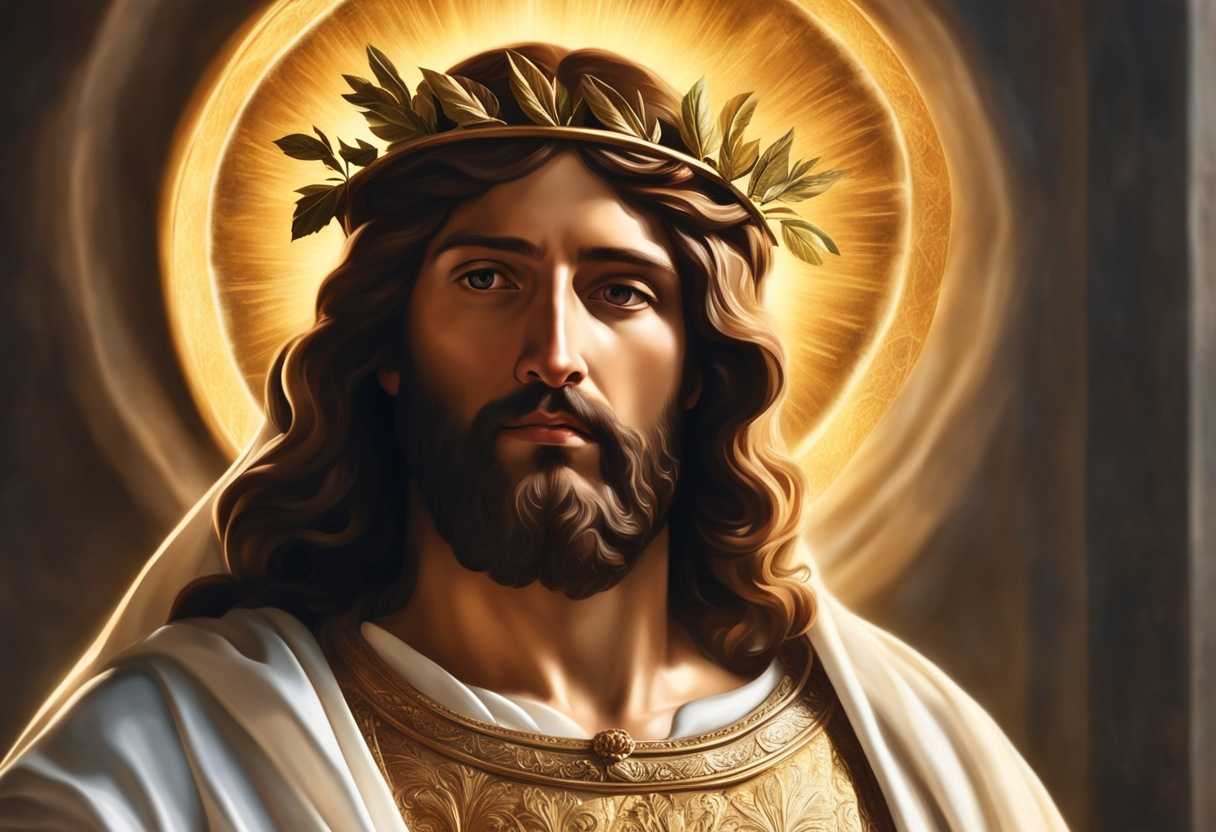
What the Bible Says About Kenosis: Understanding the Concept of Self-Emptying
Kenosis, derived from the Greek word “kenoō,” refers to the self-emptying of Jesus Christ, particularly in Philippians 2:7, where it describes Him relinquishing divine privileges by taking on human form. This concept emphasizes humility and self-sacrifice in the incarnation of Christ. Scripture 5 Have this mind among yourselves, which is yours in Christ Jesus, 6…
-

What the Bible Says About Passion: A Definition and Exploration
In the Bible, “passion” often refers to strong emotions or desires, typically associated with suffering or intense experiences, as seen in the context of Christ’s Passion, which denotes His suffering and crucifixion. Additionally, it can denote fervent love or zeal for God and His purposes, reflecting a deep commitment and devotion. Scripture But I say,…