
Category: Spiritual and Theological Concepts
-

What the Bible Says About “All Thy Heard”
The phrase “All thy heart” refers to the complete and total devotion of one’s inner self, encompassing emotions, thoughts, and willingness. It emphasizes the importance of loving God wholeheartedly, as seen in Deuteronomy 6:5, which commands to love the Lord with all one’s heart, soul, and strength. Scripture 17 And when they saw it, they…
-

What the Bible Says About “Because of the Angels”
The phrase “because of the angels” is found in 1 Corinthians 11:10, where Paul discusses head coverings in the context of worship. It suggests that certain practices within the assembly are influenced by the presence of angels, emphasizing the importance of order and respect in worship settings. Scripture 2 Now I commend you because you…
-

What the Bible Says About Calling and Purpose
In the Bible, “call” often signifies God’s invitation or summons to individuals for a specific purpose or mission, such as the calling of prophets and disciples (e.g., Matthew 4:19). It can also refer to the act of believers invoking God’s name in prayer or worship (e.g., Romans 10:13). Scripture 1 Now the Lord said to…
-

What the Bible Says About “Doux Refuge”
The phrase “doux refuge” translates to “sweet refuge” in English and is not a specific biblical term. However, the Bible often depicts God as a refuge, a place of safety and comfort for those in distress, such as in Psalm 46:1 where it states, “God is our refuge and strength, an ever-present help in trouble.”…
-
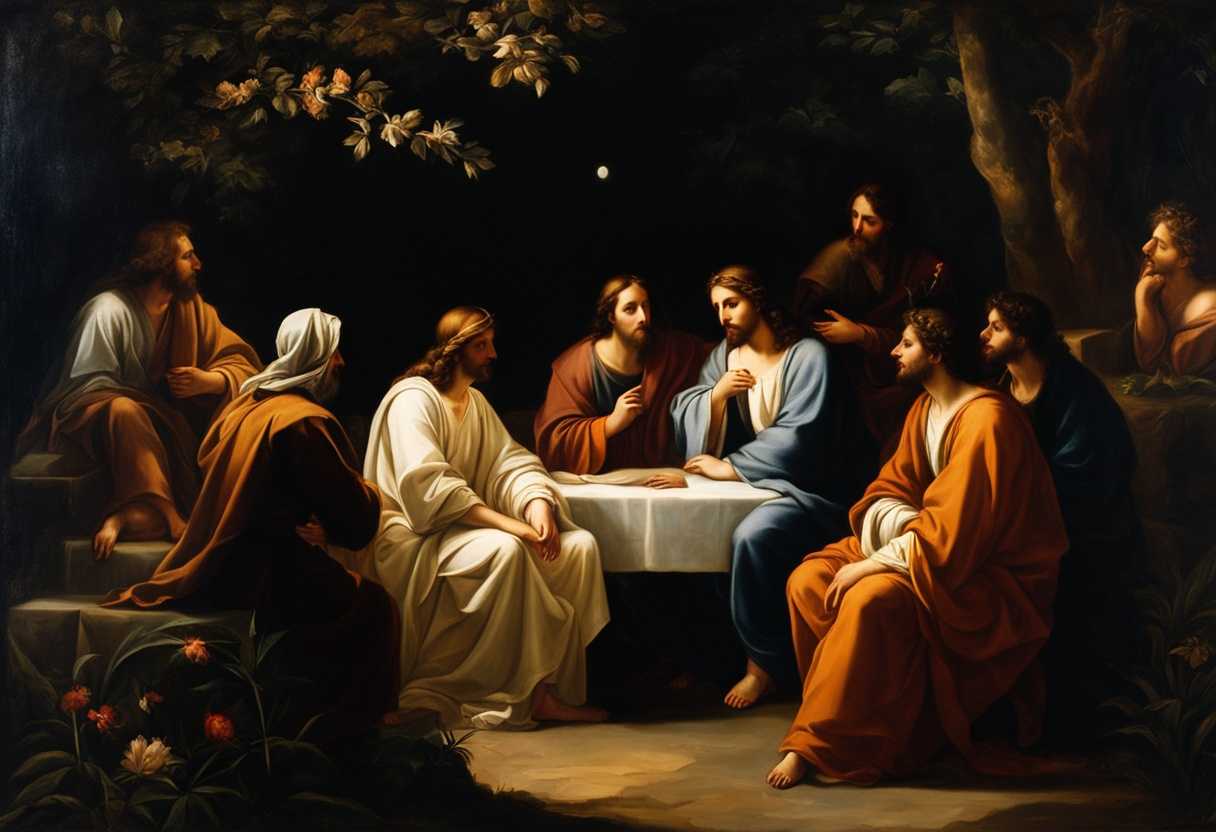
What the Bible Says About “The Flesh is Weak”
The phrase “the flesh is weak” originates from Matthew 26:41, where Jesus tells his disciples to “watch and pray” because “the spirit indeed is willing, but the flesh is weak.” This highlights the human tendency to succumb to temptation and fail in spiritual vigilance despite a desire to do what is right. Scripture 36 Then…
-

What the Bible Says About Ash: Meaning and Symbolism
In the Bible, ash often symbolizes mourning, repentance, and humility. It is used in contexts such as personal or communal grief, as seen in practices like wearing sackcloth and ashes to express sorrow for sin (e.g., Job 42:6, Jonah 3:6). Scripture 27 Abraham answered and said, “Behold, I have undertaken to speak to the Lord,…
-

What the Bible Says About the Meaning of Prophets
In the Bible, prophets are individuals chosen by God to convey His messages and guidance to the people, often foretelling future events or calling for repentance. They serve as intermediaries between God and humanity, emphasizing moral and spiritual truths. Scripture 15 “The Lord your God will raise up for you a prophet like me from…
-

What the Bible Says About the Cure for Christianity: The Importance of Reading Scripture
The Bible’s transformative power is rooted in its ability to inspire spiritual growth, impart wisdom, and lead individuals toward a deeper relationship with God. As stated in Romans 12:2, believers are called to be transformed by the renewing of their minds, enabling them to discern God’s will and live according to His purpose. Scripture 1…
-

What the Bible Says About Peace: A KJV Perspective
In the King James Version (KJV) of the Bible, peace is often defined as a state of tranquility and harmony, both within individuals and in relationships. It is frequently associated with the presence of God, as seen in passages like Philippians 4:7, which states that “the peace of God, which passeth all understanding, shall keep…
-

What the Bible Says About Birth: A Definition and Exploration
In the Bible, birth signifies the beginning of life, seen as a divine blessing and a fulfillment of God’s promise to multiply and fill the earth (Genesis 1:28). It also symbolizes spiritual rebirth, reflecting new life in Christ and regeneration through faith (John 3:3-6). Scripture 26 Then God said, “Let us make man in our…