
Category: Spiritual and Theological Concepts
-

What the Bible Says About Mercies: A Definition and Exploration
In the Bible, “mercies” refers to God’s compassionate love and kindness towards humanity, often characterized by forgiveness and the withholding of judgment. It highlights the gracious nature of God in providing relief and comfort to those in need, as seen in scriptures like Lamentations 3:22-23, which emphasizes that His mercies are new every morning. Scripture…
-

What the Bible Says About Fiat: Understanding Its Meaning and Significance
In the Bible, “fiat” refers to an authoritative decree or command, often associated with God’s will being executed. For instance, in Genesis, God’s creative commands (e.g., “Let there be light”) exemplify this concept of divine fiat bringing existence into being. Scripture 1 In the beginning, God created the heavens and the earth. 2 The earth…
-

What the Bible Says About Basileia: Understanding Its Meaning
“Basileia” is a Greek term meaning “kingdom,” often used in the New Testament to refer to the reign of God or the divine sovereignty over creation. It signifies both a present reality in the life of believers and a future hope of God’s ultimate reign. Scripture 9 Pray then like this: “Our Father in heaven,…
-

What the Bible Says About Jehovah Nissi: Understanding Its Meaning
Jehovah Nissi translates to “The Lord is my Banner” and is used to signify God’s sovereignty and protection, particularly in the context of battle. This name is found in Exodus 17:15, where Moses built an altar to honor the Lord after the Israelites’ victory over the Amalekites. Scripture 8 Then Amalek came and fought with…
-

What the Bible Says About the Meaning of the 7 Seals
In the Bible, the seven seals are described in the Book of Revelation (Revelation 6-8) and symbolize a series of events that unfold during the end times, representing the judgments and tribulations that occur before the ultimate fulfillment of God’s plan. Each seal, when opened by the Lamb (Jesus Christ), reveals different aspects of divine…
-

What the Bible Says About Prostrate: Understanding Its Definition and Significance
In the Bible, to prostrate oneself means to lay flat on the ground in submission, humility, or worship, often as an expression of reverence to God. It symbolizes a deep sense of respect and acknowledgment of divine authority. Scripture 1 When Abram was ninety-nine years old the Lord appeared to Abram and said to him,…
-

What the Bible Says About the Alpha Definition
In the Bible, “Alpha” is the first letter of the Greek alphabet and is often used to signify the beginning or the first. In Revelation 22:13, Jesus refers to Himself as “the Alpha and the Omega,” which symbolizes that He is the beginning and the end of all things. Scripture 8 “I am the Alpha…
-

What the Bible Says About the Beam in Your Eye: Understanding Its Meaning
The phrase “beam in eye” originates from Matthew 7:3-5, where Jesus admonishes individuals for being critical of others while ignoring their own significant flaws. It serves to illustrate the hypocrisy of judgment, encouraging self-reflection and personal accountability before seeking to correct others. Scripture 1 “Judge not, that you be not judged.” 2 For with the…
-
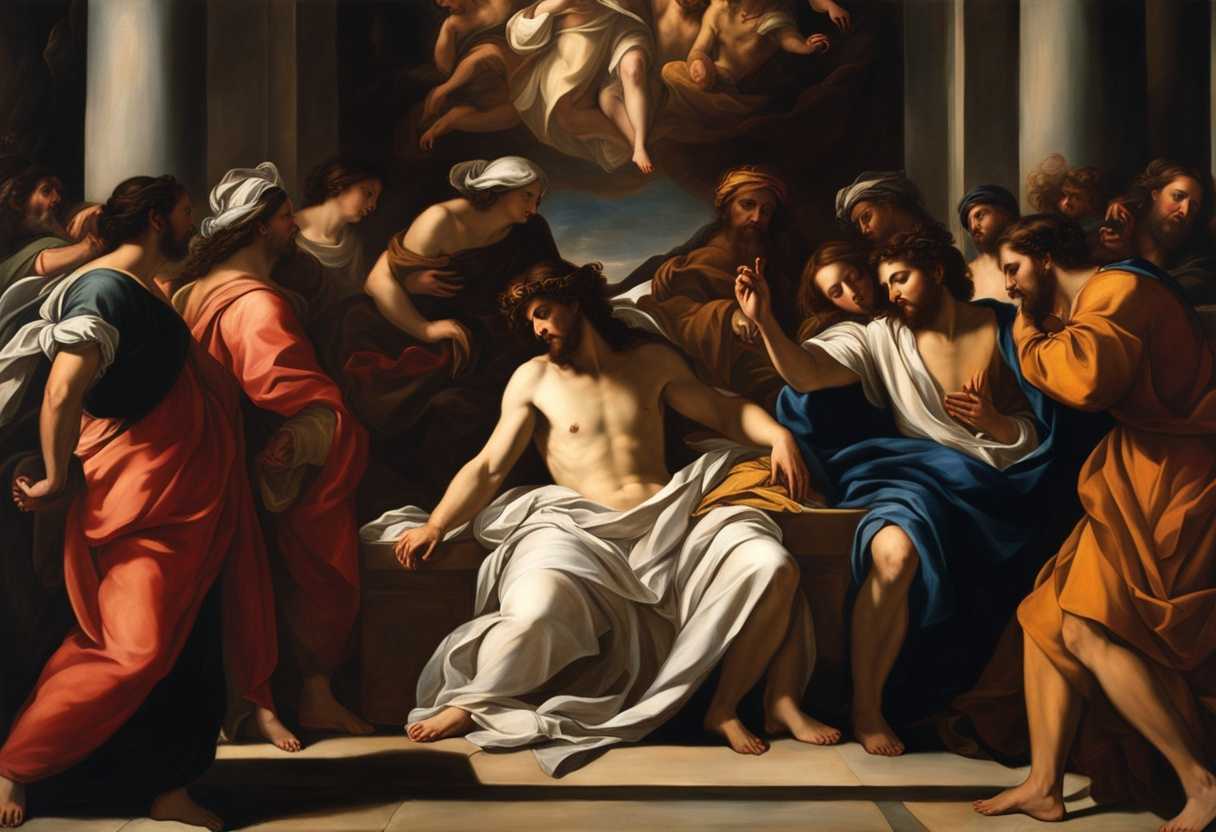
What the Bible Says About “By Your Stripes We Are Healed”
The phrase “by your stripes we are healed” originates from Isaiah 53:5 in the Old Testament, referring to the suffering of the Messiah who bears the sins and afflictions of humanity. In the New Testament, this is often interpreted as a prophecy fulfilled in Jesus Christ, emphasizing that through His suffering and sacrifice, spiritual and…
-

What the Bible Says About Doulos: Understanding the Greek Term for Servant
In the Bible, “doulos” refers to a servant or bondservant, often implying a voluntary submission to another’s will. It conveys a deep commitment to service and loyalty, particularly in the context of one’s relationship with God or Christ. Scripture 1 “Now these are the rules that you shall set before them.” 2 When you buy…