
Category: Spiritual and Theological Concepts
-

What the Bible Says About the Definition of a Mature Spiritual Person
In the Bible, a mature spiritual person is characterized by a deep understanding of God’s Word, the ability to discern right from wrong, and the practice of love, patience, and humility. They demonstrate the fruits of the Spirit (Galatians 5:22-23) and are committed to serving others and growing in their relationship with God (Ephesians 4:13-15).…
-

What the Bible Says About Communing: A Definition and Exploration
In the Bible, “communing” refers to the intimate and personal sharing of thoughts and feelings, particularly in the context of one’s relationship with God. It often involves prayer, meditation, and spiritual fellowship, as exemplified in verses like Psalm 77:6, where reflecting on God’s deeds is a form of deep connection. Scripture 1 And the Lord…
-

What the Bible Says About the Definition of Hallowed
In the Bible, “hallowed” refers to something that is made holy or consecrated. It signifies reverence and respect, as seen in phrases like “Hallowed be thy name” in the Lord’s Prayer (Matthew 6:9), emphasizing the sanctity of God’s name. Scripture 8 “Remember the Sabbath day, to keep it holy. 9 Six days you shall labor,…
-
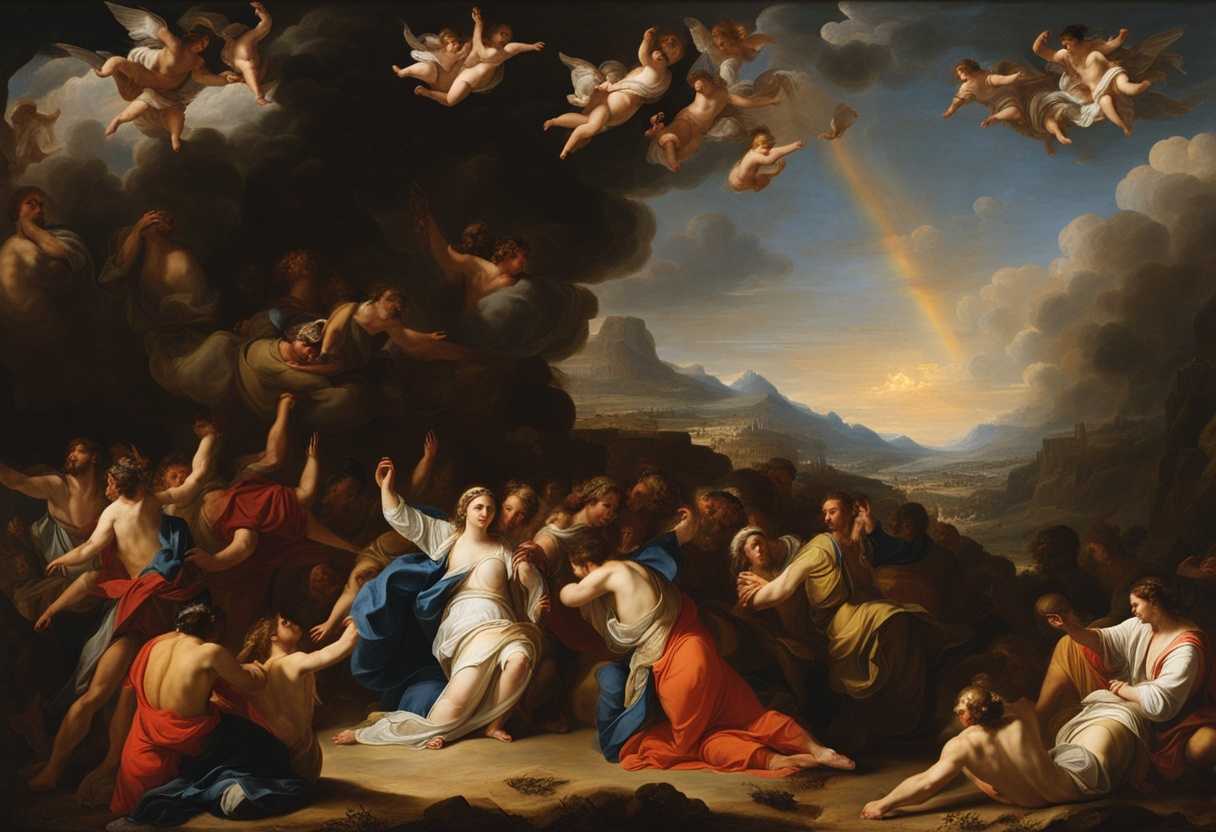
What the Bible Says About Mana: Definition and Significance
Manna is described in the Bible as a miraculous food provided by God to the Israelites during their wilderness journey after the Exodus from Egypt. It is often depicted as a fine, flake-like substance that appeared each morning, sustaining the people and symbolizing divine provision (Exodus 16:14-15). Scripture 4 Then the Lord said to Moses,…
-

What the Bible Says About Prophecy and Tongues in KJV Commentaries
In the King James Version (KJV) of the Bible, prophecy refers to the inspired utterance of messages from God to His people, often regarding future events or guidance (1 Corinthians 14:3). Tongues, or speaking in tongues, refers to the supernatural ability to speak in languages unknown to the speaker, often as a sign and for…
-

What the Bible Says About the Definition of a Seer and a Prophet
In the Bible, a “seer” is someone who receives visions and revelations from God, often concerning future events (1 Samuel 9:9). A “prophet” is a spokesperson for God who delivers His messages and instructions to the people, often calling for repentance and faithfulness (Deuteronomy 18:18). Scripture 9 (Formerly in Israel, when a man went to…
-
What the Bible Says About the Family of God
The Family of God in the Bible refers to the collective body of believers who are spiritually united through their faith in Jesus Christ, becoming children of God (John 1:12) and co-heirs with Christ (Romans 8:17). It emphasizes a relational bond among Christians, marked by love and mutual support, as seen in passages like Ephesians…
-

What the Bible Says About Visitation: A KJV Perspective
In the KJV Bible, “visitation” often refers to the act of God intervening in human affairs, bringing blessings, judgment, or guidance (Luke 1:68, 1 Peter 2:12). It also signifies moments when God looks upon individuals or communities with care and attention, leading to significant changes or deliverance. Scripture 34 But now go, lead the people…
-

What the Bible Reveals: The Deeper Meaning of Bible Verses
Exploring deeper meanings of scripture involves the practice of exegesis, which is the critical interpretation and analysis of biblical texts to uncover their original context, intent, and significance. This can lead to a more profound understanding of spiritual truths and their application to contemporary life. Scripture 14 But as for you, continue in what you…
-

What the Bible Says About the Meaning of Hyacinth
The hyacinth, while not explicitly mentioned in most translations of the Bible, is often associated with beauty and fragrance, representing the transient nature of life and the glory of God’s creation. In a broader biblical context, flowers like the hyacinth symbolize God’s provision and care for His creation, as seen in passages like Matthew 6:28-30,…