
Category: Spiritual and Theological Concepts
-

What the Bible Says About the Father of Lights
The term “Father of Lights” in the Bible refers to God as the Creator of heavenly bodies, reflecting His nature as the source of all goodness and truth. It is prominently mentioned in James 1:17, emphasizing that God does not change and bestows blessings unceasingly upon His creation. Scripture 16 Do not be deceived, my…
-

What the Bible Says About the Meaning of a Keeper
In the Bible, “keeper” often refers to a person who guards, protects, or maintains something, such as a sheep or a family. In Genesis 2:15, for example, God places Adam in the Garden of Eden to “keep” it, indicating a role of stewardship and care over creation. Scripture 9 Then the Lord said to Cain,…
-

What the Bible Says About “Out of My Belly” and Its Meaning
The phrase “out of my belly” is often associated with John 7:38, where Jesus speaks of living waters flowing from within believers. It signifies the spiritual life and sustenance that the Holy Spirit imparts to those who believe in Him, indicating an inner source of divine nourishment and spiritual vitality. Scripture 37 On the last…
-

What the Bible Says About the Meaning of Sustainer
In the Bible, the term “sustainer” refers to God as the one who provides for and upholds all creation, ensuring its ongoing existence and welfare (Hebrews 1:3). It emphasizes God’s role in nourishing, maintaining, and supporting life, both physically and spiritually. Scripture 5 And now do not be distressed or angry with yourselves because you…
-

What the Bible Says About Azazel: Understanding Its Meaning and Significance
In the Bible, Azazel refers to the scapegoat mentioned in Leviticus 16:10, where it is sent into the wilderness during the Day of Atonement, symbolically carrying away the sins of the people. The term is often interpreted as representing the removal of sin and the concept of being separated from the community. Scripture 8 And…
-

What the Bible Says About Cleansing: Understanding Its Meaning
In the Bible, cleansing refers to the process of purification from sin, impurity, or defilement, often symbolized through rituals such as sacrifices or baptism. It signifies spiritual renewal and the restoration of one’s relationship with God, as seen in passages like Psalm 51:2 and 1 John 1:9. Scripture 1 The Lord spoke to Moses, saying,…
-

What the Bible Says About Empowerment: Understanding Its Meaning
In the Bible, empowerment refers to the giving of strength, authority, or spiritual gifts by God to individuals for fulfilling His purposes, as seen in passages such as Acts 1:8, where believers are promised power from the Holy Spirit to be witnesses. It emphasizes reliance on divine assistance and the calling to act in faith…
-

What the Bible Says About Heaviness: Understanding Its Meaning and Significance
In the Bible, heaviness often signifies a state of sorrow, grief, or burdensome sorrow, as seen in passages like Psalm 38:4, where it reflects the weight of sin and emotional distress. It can also represent a lack of joy or hopeful expectation, contrasting with the peace and joy that believers are encouraged to seek. Scripture…
-

What the Bible Says About Kindred: Understanding Its Meaning
In the Bible, “kindred” refers to a group of individuals related by blood or family ties, often encompassing extended family relations. It signifies not only immediate relatives but also connections within broader familial relationships. Scripture 1 Now the Lord said to Abram, “Go from your country and your kindred and your father’s house to the…
-
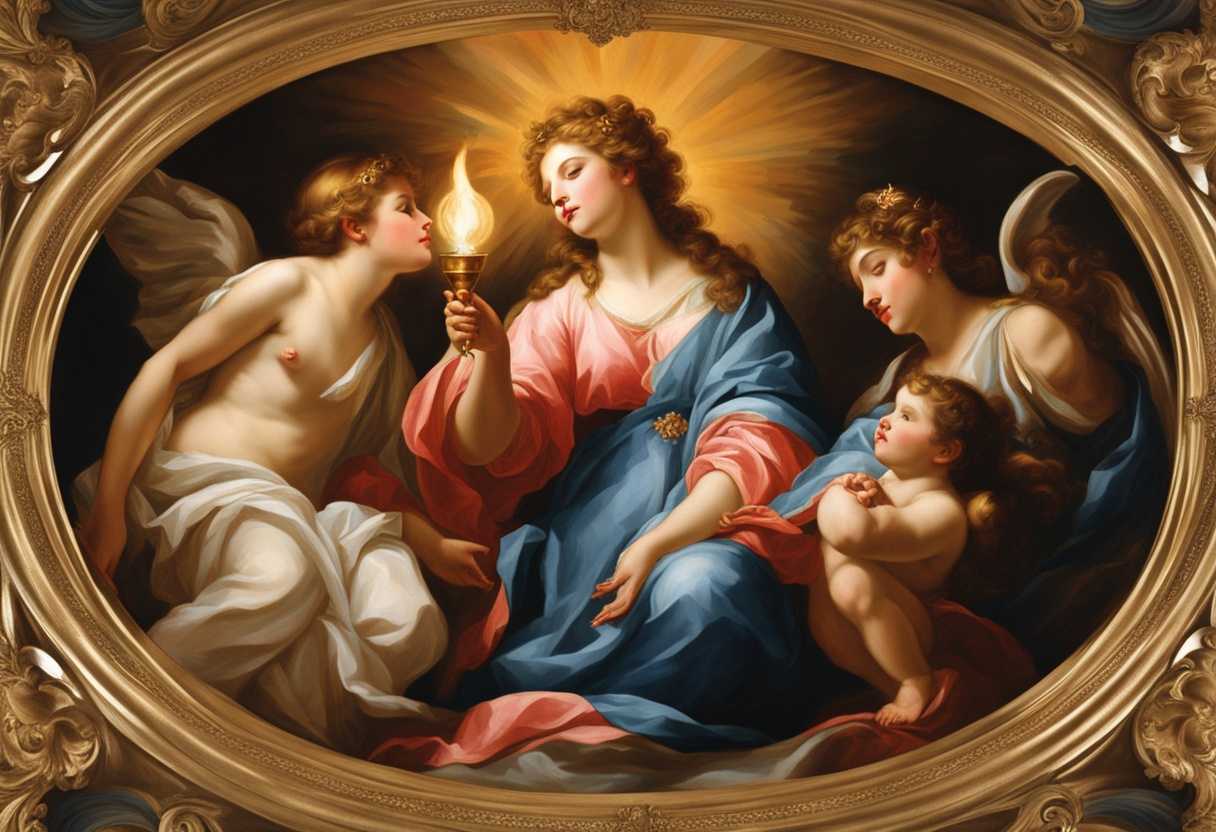
What the Bible Says About the Meaning of Oil of Joy
The “oil of joy” in the Bible symbolizes a deep, abiding joy and gladness that comes from God, often associated with the anointing and empowerment of the Holy Spirit. It is mentioned in Isaiah 61:3, illustrating a contrast between mourning and the joy God provides to His people. Scripture 1 The Spirit of the Lord…