
Category: Spiritual and Theological Concepts
-
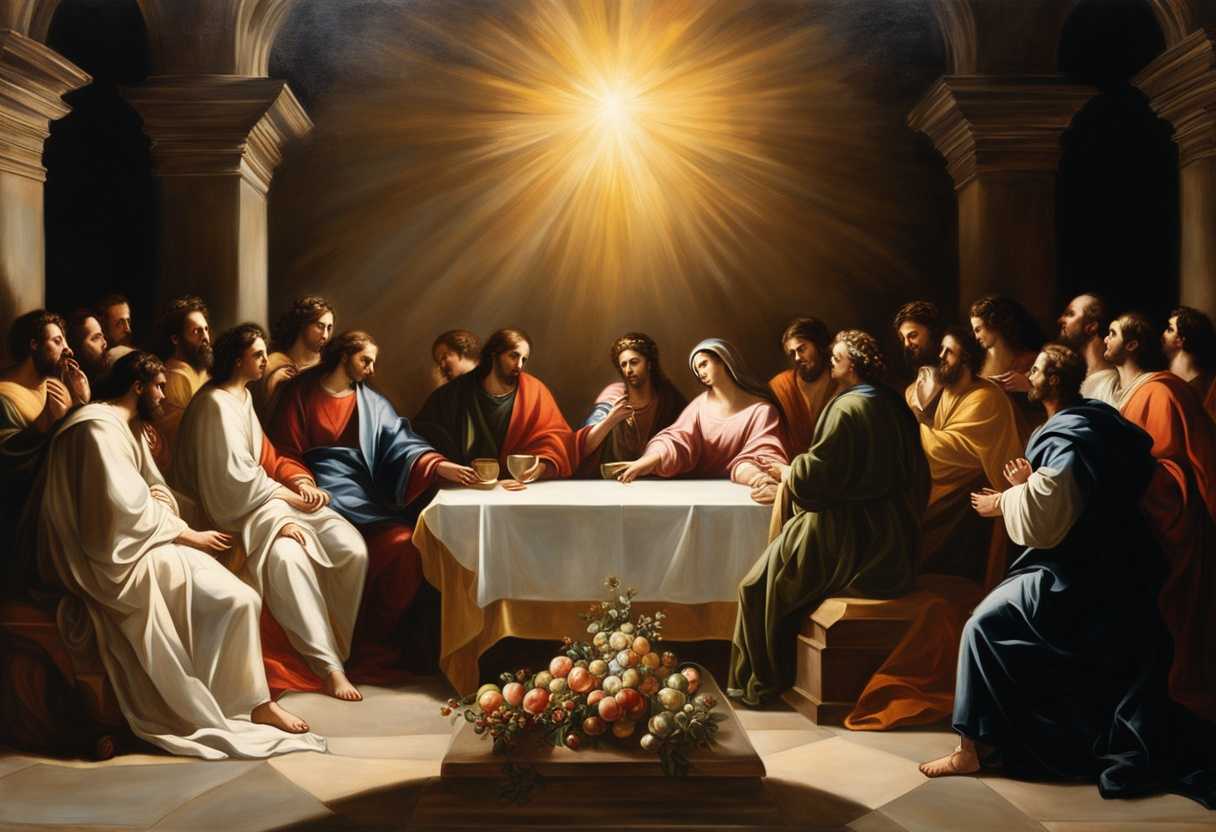
What the Bible Says About Immortality: Understanding Its Meaning
In the Bible, immortality refers to the state of being free from death and corruption, primarily associated with eternal life granted by God through faith in Jesus Christ (John 3:16). It signifies the promise of life beyond physical death, where believers are promised resurrection and communion with God (1 Corinthians 15:53-54). Scripture 50 I tell…
-
What the Bible Says About the Meaning of a Helper
In the Bible, the term “helper” (Hebrew: “ezer”) is often used to describe a significant supportive role, particularly in the context of relationships. It is first used in Genesis 2:18, where God states that it is not good for man to be alone and will create a “helper” suitable for him, highlighting the complementary partnership…
-
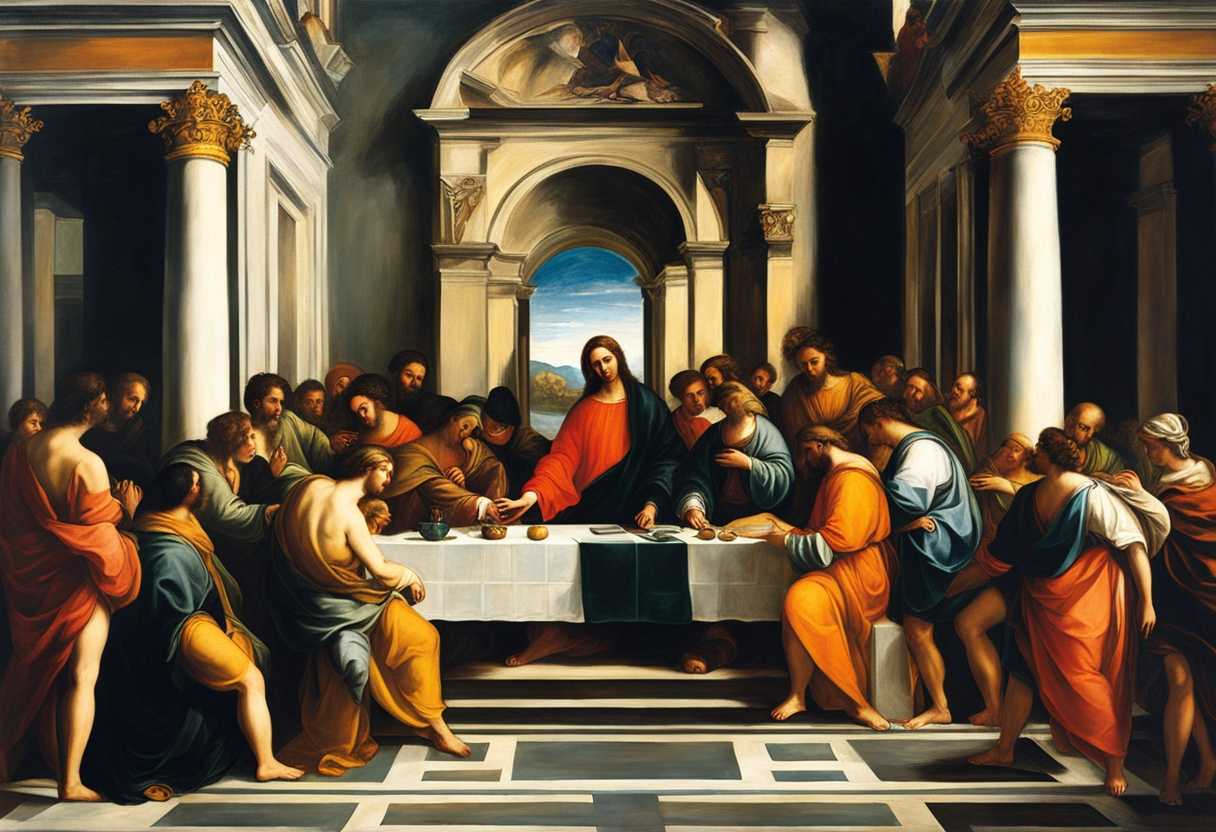
What the Bible Says About Edifying: Understanding Its Meaning
In the Bible, “edifying” refers to activities or teachings that build up, strengthen, or encourage individuals in their faith and spiritual growth. It often emphasizes the importance of constructive communication and actions that promote spiritual maturity within the Christian community (1 Corinthians 14:26). Scripture 11 And he gave the apostles, the prophets, the evangelists, the…
-

What the Bible Says About Dayspring: Meaning and Significance
In the Bible, “Dayspring” refers to the dawn or the rising of the sun, symbolizing hope and divine illumination. It is notably used in Luke 1:78, where it represents the coming of Christ as a source of light and salvation for humanity. Scripture 76 And you, child, will be called the prophet of the Most…
-
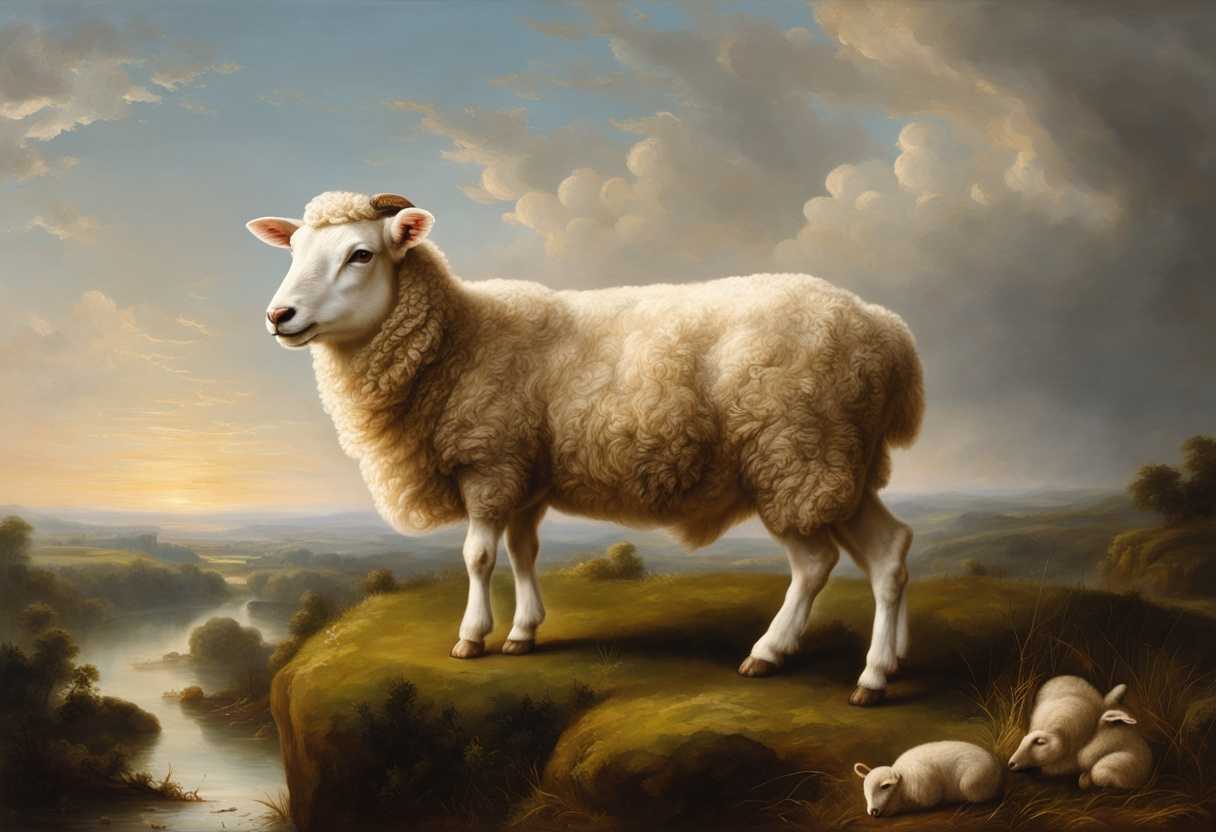
What the Bible Says About the Lamb of God: Meaning and Significance
The “Lamb of God” in the Bible refers to Jesus Christ as the sacrificial offering for humanity’s sins, symbolizing innocence and purity. This title highlights His role in redemption, as seen in John 1:29, where John the Baptist identifies Jesus as the one who takes away the sin of the world. Scripture 29 The next…
-

What the Bible Says About Wistfulness: A Definition and Reflection
The term “wist” in the Bible is an archaic form of the word “knew,” meaning to be aware of or to have knowledge about something. It is often used in older translations, such as the King James Version, to convey understanding or recognition. Scripture 1 After two whole years, Pharaoh dreamed that he was standing…
-

What the Bible Says About Encouragement: Finding Strength in Scripture
In the Bible, encouragement is the act of offering support, comfort, and hope to others, often grounded in faith and God’s promises. It involves inspiring one another to grow spiritually and persist in righteousness, as seen in passages such as 1 Thessalonians 5:11, which urges believers to “encourage one another and build each other up.”…
-
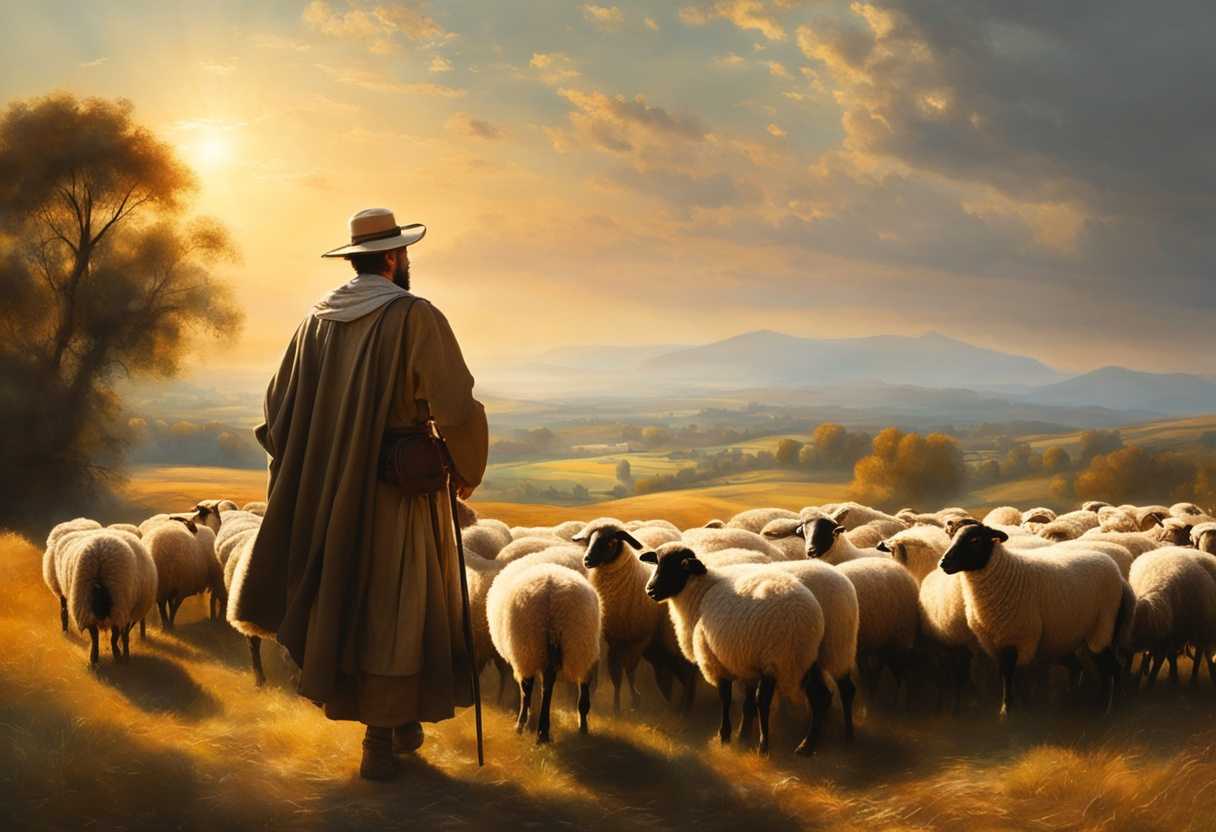
What the Bible Says About the Meaning of Flock
In the Bible, “flock” often refers to a group of sheep or goats, symbolizing the people of God under His care, guidance, and protection (e.g., Psalm 100:3). It can also represent the church community and the leaders’ responsibility to shepherd and nurture the congregation (e.g., John 10:14-15). Scripture 11 “For thus says the Lord God:…
-

What the Bible Says About Guilt: Understanding Its Definition and Implications
In the Bible, guilt often refers to the feeling or state of having committed a sin or wrongdoing that implicates one’s moral or spiritual integrity. It is frequently associated with the need for repentance and restoration through God’s forgiveness, as emphasized in passages like Psalm 51, where the psalmist seeks cleansing from sin. Scripture 1…
-

What the Bible Says About the East Wind: Symbolism and Significance
In the Bible, the east wind often symbolizes a forceful and destructive element, associated with judgment or calamity. It is mentioned in various contexts, such as bringing drought (as in Exodus 10:13) or serving as a means of divine intervention (as seen in Jonah 4:8). Scripture 13 So Moses stretched out his staff over the…