
Category: Spiritual and Theological Concepts
-

What the Bible Says About the Definition of Cry
In the Bible, “cry” often signifies a deep emotional expression, whether it be sorrow, distress, or a plea for help, as seen in passages like Psalm 34:17, where the righteous cry out to God and are heard. It can also indicate a call to action, reflecting urgency and a desire for intervention or deliverance. Scripture…
-

What the Bible Says About Safety: A Divine Definition
In the Bible, “safe” often conveys a sense of security and protection provided by God, underscored in scriptures such as Psalm 4:8, which speaks of peace and safety bestowed by trust in the Lord. It reflects the assurance of being sheltered from harm and adversity through faith. Scripture 10 The name of the Lord is…
-

What the Bible Says About Abandonment: Understanding Its Definition and Implications
In the Bible, abandonment often refers to the act of forsaking or leaving someone without support or care, which can be seen as a betrayal of trust and love, as reflected in passages like Psalm 27:10, where it expresses that even if one’s parents forsake them, the Lord will take them in. Spiritually, it can…
-

What the Bible Says About the Definition of Bury
In the Bible, “bury” often symbolizes the act of placing a deceased person in the ground as a final resting place, reflecting cultural practices of mourning and respect for the dead (Genesis 23:19). It can also carry spiritual connotations, such as the idea of being buried with Christ in baptism, representing the death of the…
-

What the Bible Says About a Divided Heart
In a biblical context, “divided” often refers to the separation of people, nations, or beliefs, which can lead to conflict and discord. It signifies a lack of unity, as seen in passages like Mark 3:25, where Jesus states, “If a house is divided against itself, that house cannot stand,” illustrating the need for harmony and…
-

What the Bible Says About the Definition of Heel
In the Bible, the heel often symbolizes vulnerability and the consequences of sin. One notable reference is Genesis 3:15, where the “heel” represents humanity’s struggle against evil, indicating that although the heel may be struck, victory will ultimately come through the offspring of the woman. Scripture 14 The Lord God said to the serpent, “Because…
-
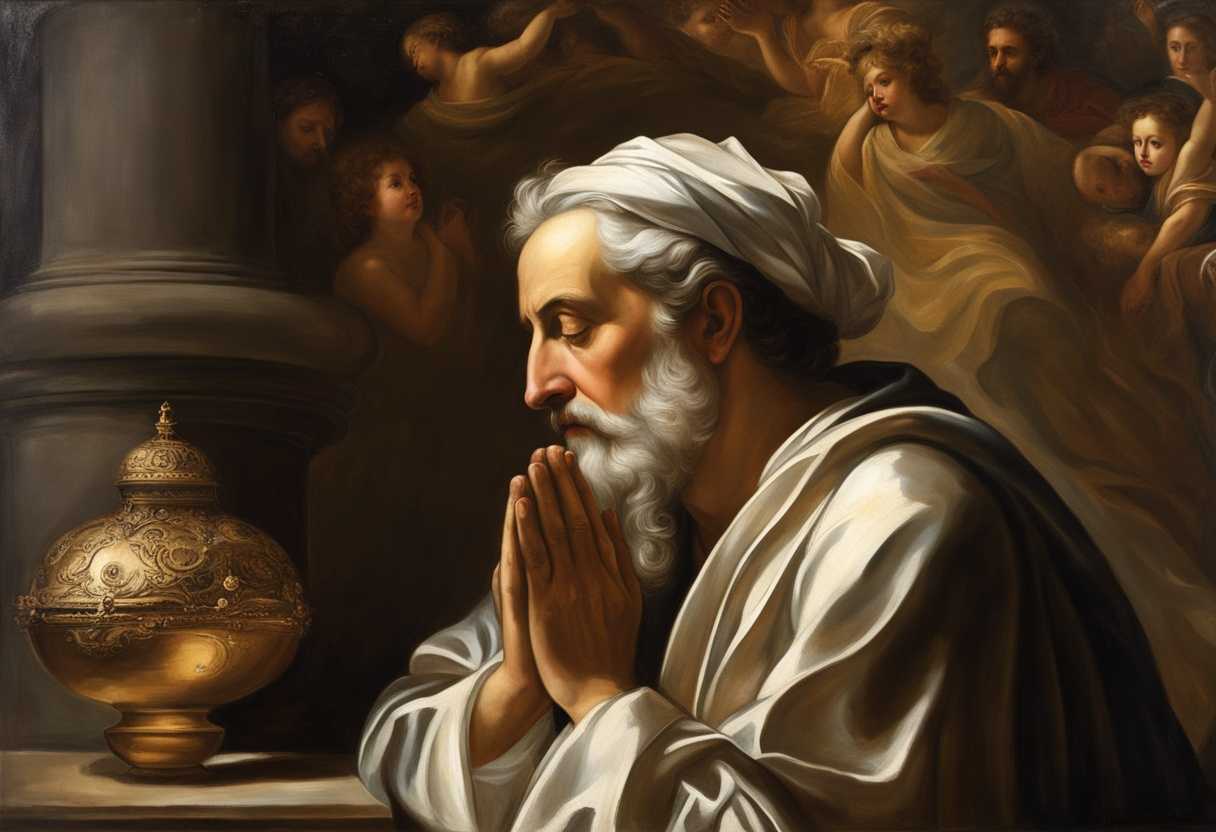
What the Bible Says About Maturity: A Definition and Guide
In the Bible, maturity is often associated with spiritual growth and the ability to discern good from evil, as seen in Hebrews 5:14, which emphasizes training one’s senses for discernment. Additionally, maturity involves embodying the fruits of the Spirit and living in accordance with God’s will, reflecting a deepening relationship with Him (Galatians 5:22-23). Scripture…
-

What the Bible Says About Providential Guidance
In a biblical context, “providential” refers to God’s divine guidance and care in the unfolding of events in life, demonstrating His sovereignty and purpose. It underscores the belief that God orchestrates circumstances for His divine plan, often leading to the fulfillment of His promises (Romans 8:28). Scripture 19 But Joseph said to them, “Do not…
-

What the Bible Says About the Meaning of Shake
In the Bible, “shake” often symbolizes a profound response to divine power or judgment, indicating a sense of fear, reverence, or the manifestation of God’s presence. It can also represent a spiritual awakening or the tumult of change, as seen in contexts like God shaking the earth or the shaking of people’s hearts in response…
-

What the Bible Says About the Sun, Moon, and Stars
In the Bible, the sun often symbolizes God’s glory and light, while the moon can represent change and the passage of time; stars are frequently seen as symbols of guidance and blessings, as well as the people of God (Genesis 37:9-10, Matthew 2:2). Together, they illustrate the majesty of creation and the divine order established…