
Category: Spiritual and Theological Concepts
-

What the Bible Says About His Kingdom: A Definition and Exploration
God’s Kingdom in the Bible refers to the reign and rule of God over all creation, characterized by righteousness, peace, and joy in the Holy Spirit (Romans 14:17). It is both a present reality, where believers live under God’s sovereignty, and a future hope, anticipating the fulfillment of God’s ultimate plan (Revelation 21:1-4). Scripture 9…
-
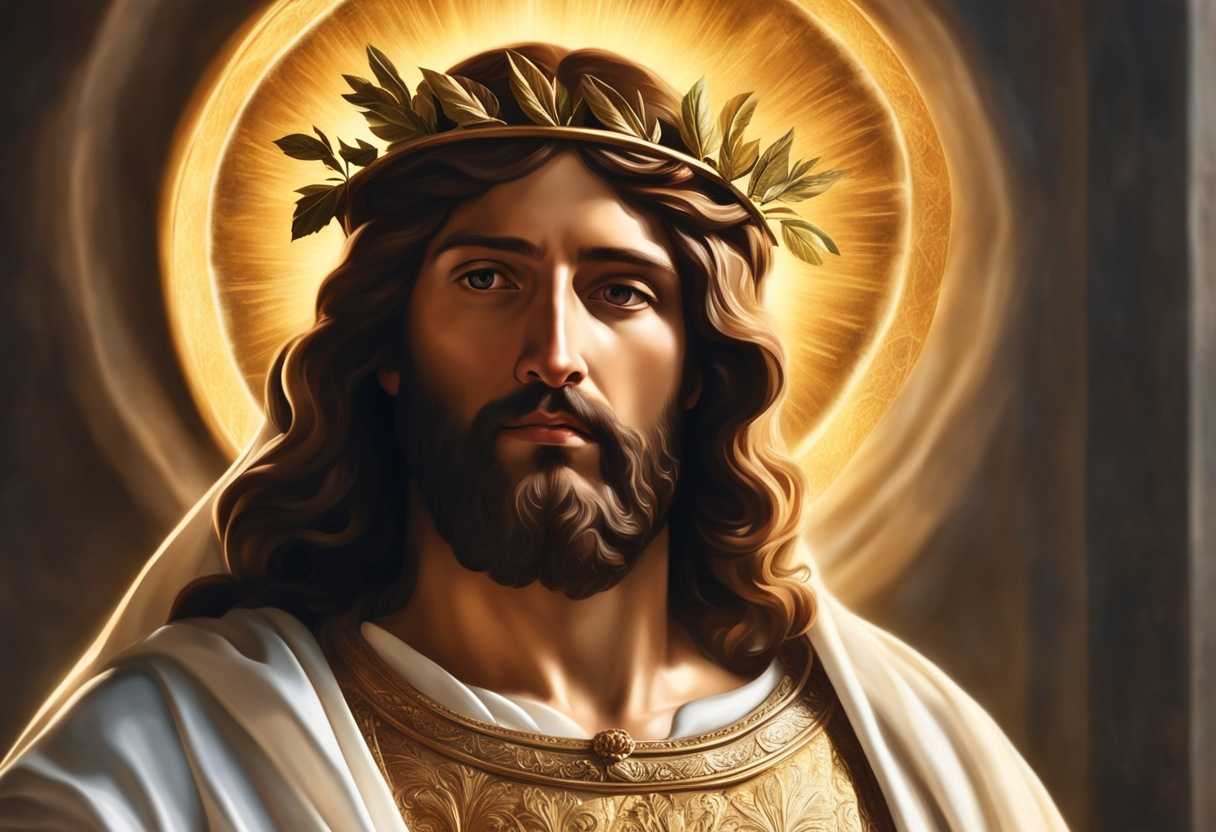
What the Bible Says About Kenosis: Understanding the Concept of Self-Emptying
Kenosis, derived from the Greek word “kenoō,” refers to the self-emptying of Jesus Christ, particularly in Philippians 2:7, where it describes Him relinquishing divine privileges by taking on human form. This concept emphasizes humility and self-sacrifice in the incarnation of Christ. Scripture 5 Have this mind among yourselves, which is yours in Christ Jesus, 6…
-
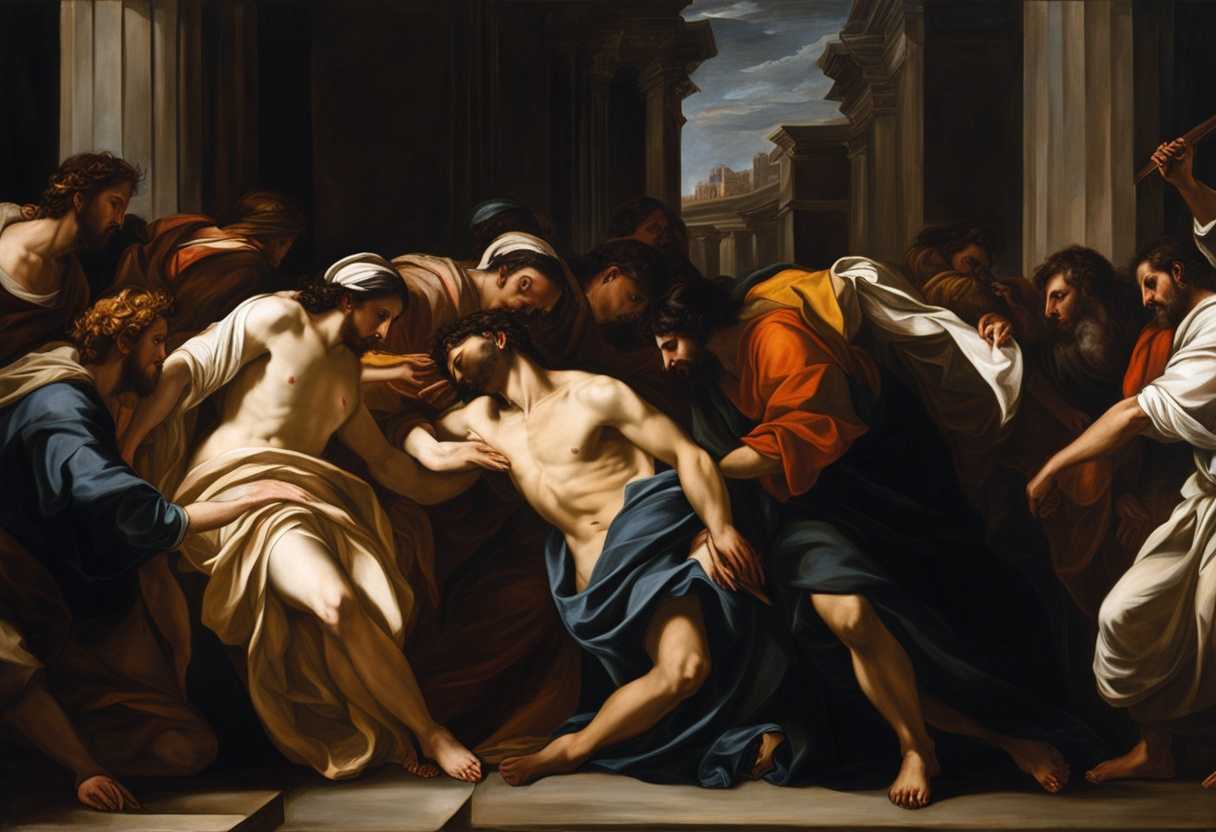
What the Bible Says About Passion: A Definition and Exploration
In the Bible, “passion” often refers to strong emotions or desires, typically associated with suffering or intense experiences, as seen in the context of Christ’s Passion, which denotes His suffering and crucifixion. Additionally, it can denote fervent love or zeal for God and His purposes, reflecting a deep commitment and devotion. Scripture But I say,…
-
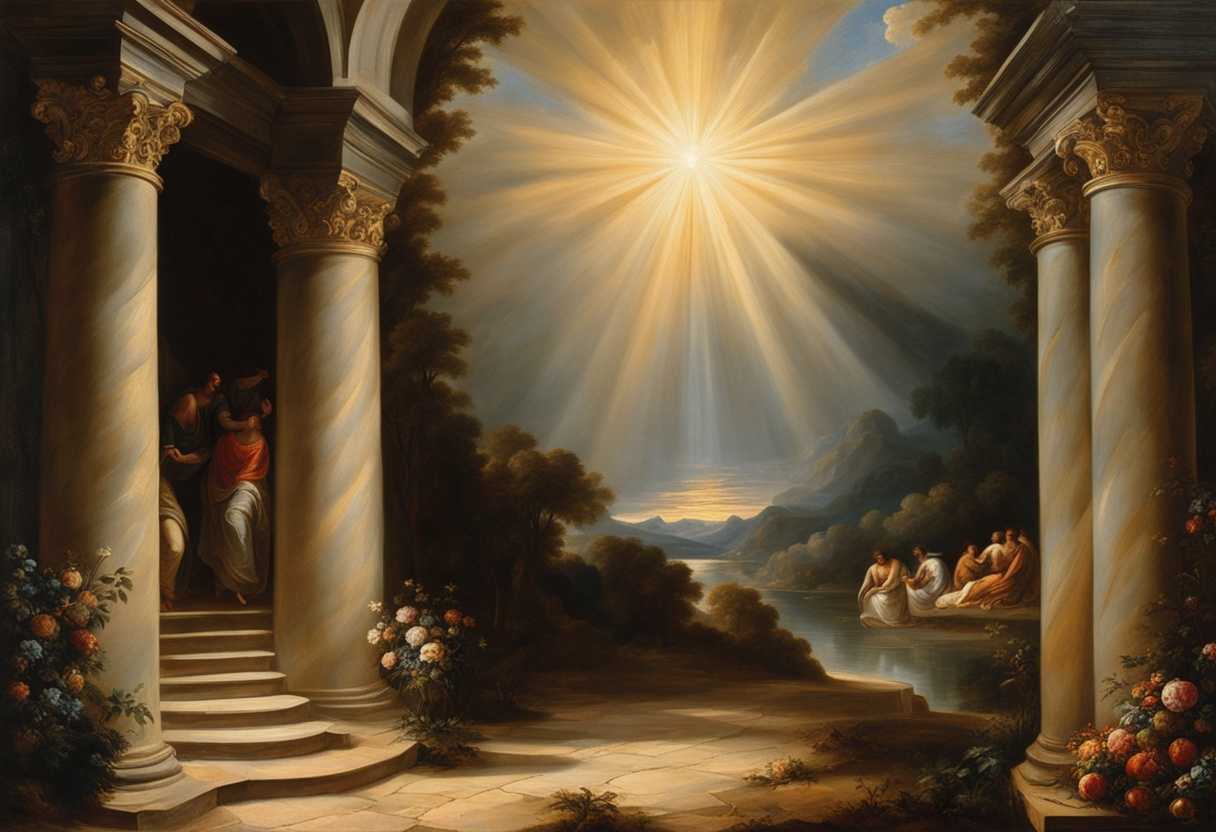
What the Bible Says About Salvific Grace
In the Bible, “salvific” refers to anything related to salvation, particularly the saving actions of God through Jesus Christ that lead to eternal life and reconciliation with Him. It embodies the grace and mercy extended to humanity for forgiveness of sins and spiritual renewal. Scripture 16 “For God so loved the world, that he gave…
-

What the Bible Says About the State of Grace
In the Bible, a state of grace refers to the condition of being in a favorable relationship with God, achieved through faith in Jesus Christ and characterized by forgiveness, mercy, and the indwelling of the Holy Spirit. It signifies an unmerited gift of divine assistance that enables believers to live according to God’s will. Scripture…
-
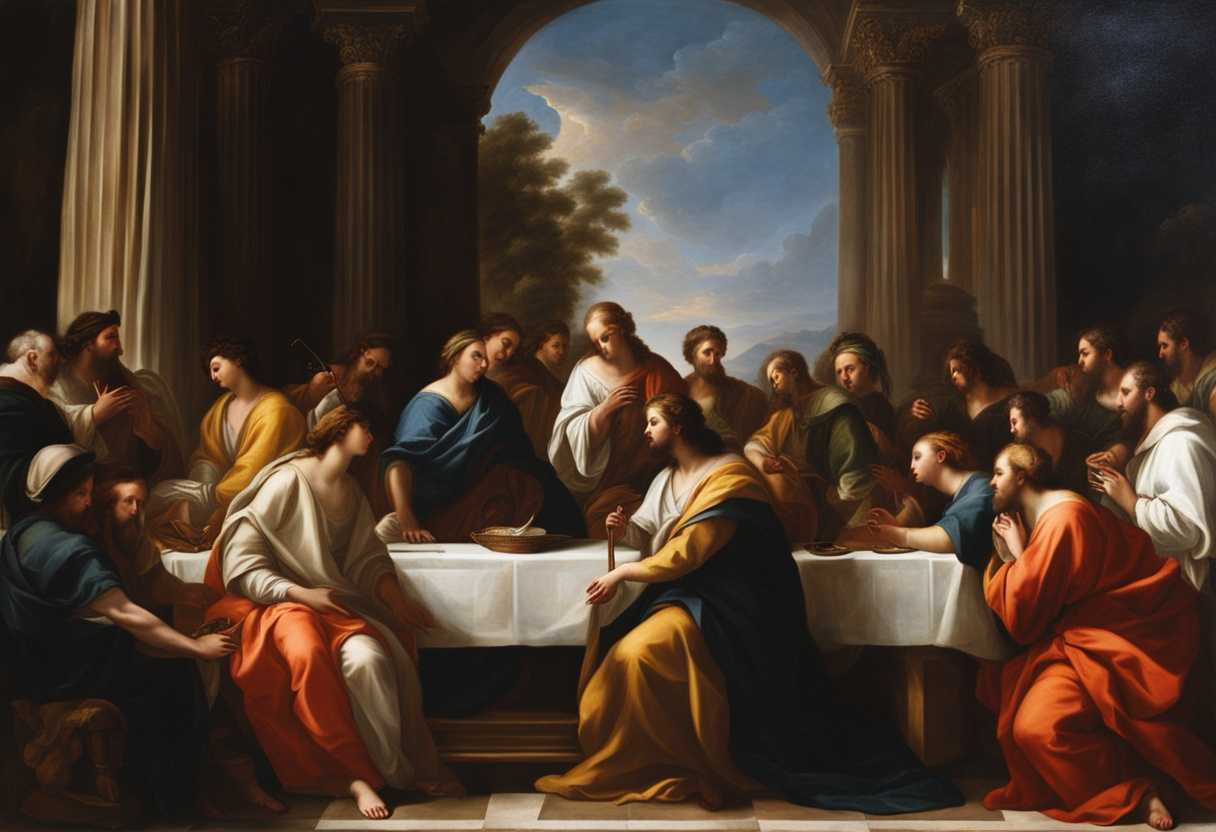
What the Bible Says About the Unchanging Nature of God
In the Bible, “unchanging” refers to the nature of God, who is described as immutable and eternal, meaning He does not change in His character, purpose, or promises (Malachi 3:6, Hebrews 13:8). This consistency serves as a foundation for believers’ faith and trust in God’s reliability and truth. Scripture 19 God is not man, that…
-

What the Bible Says About the Eschaton: Understanding Its Definition and Significance
In biblical terms, “eschaton” refers to the final events in the history of the world, often associated with the end times and the fulfillment of God’s ultimate plan for humanity. It encompasses concepts of judgment, resurrection, and the establishment of God’s kingdom, as found in texts like Revelation and the prophetic writings of the Old…
-
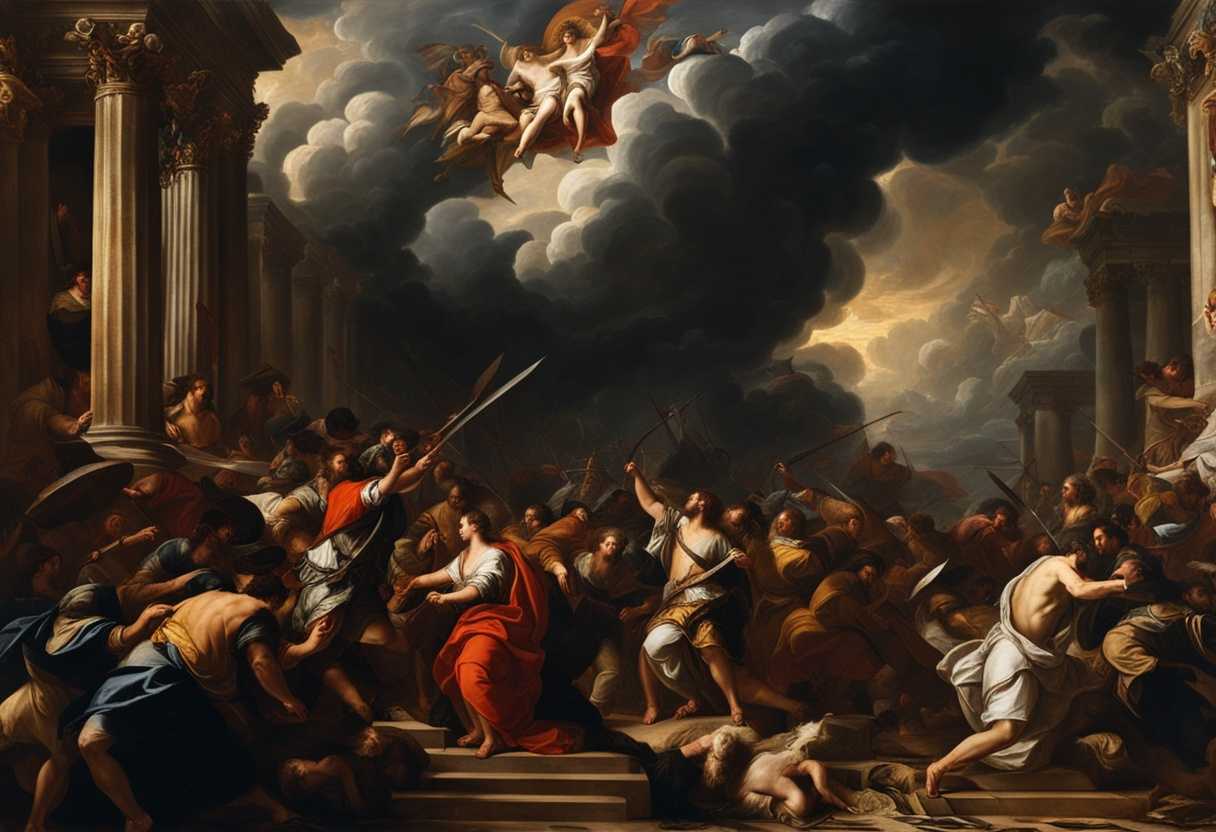
What the Bible Says About Hamon Gog: Understanding Its Meaning
Hamon Gog refers to a prophesied battle against Gog, a leader from the land of Magog, mentioned in Ezekiel 39:11. The term portrays a scene of destruction and judgment, emphasizing God’s ultimate victory over His enemies and the restoration of Israel. Scripture 1 “And you, son of man, prophesy against Gog and say, Thus says…
-
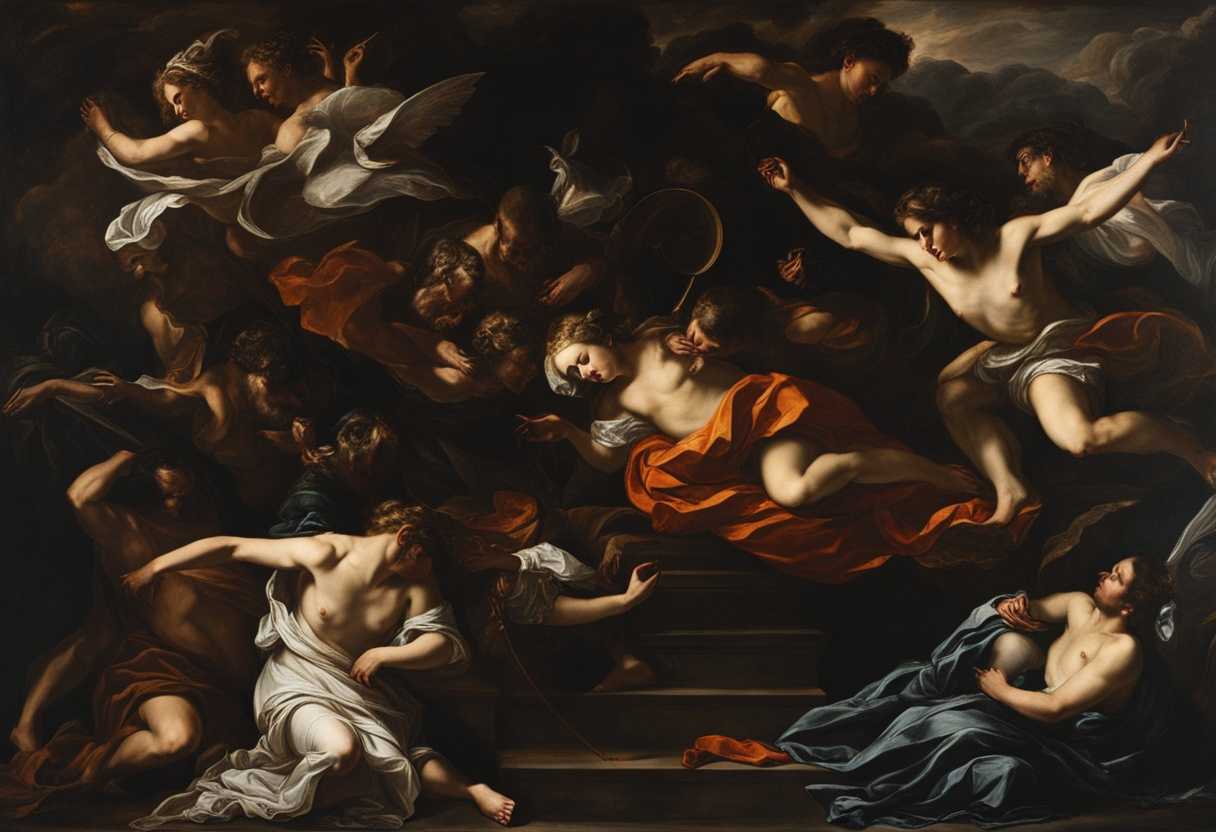
What the Bible Says About the Meaning of Hell in the KJV
In the King James Version (KJV) of the Bible, hell is often referred to as “hell” (translated from the Greek word “Gehenna”) and is described as a place of punishment for the wicked after death, characterized by fire and separation from God (Matthew 5:22, Revelation 20:14). It serves as a warning of the consequences of…
-

What the Bible Says About the Meaning of Righteousness
In the Bible, righteousness refers to being in right standing with God and living according to His moral law. It is often associated with justice, integrity, and the fulfillment of God’s commandments, as exemplified in the life of Jesus Christ and attributed to those who have faith in Him. Scripture 6 And he believed the…