
Category: Spiritual and Theological Concepts
-

What the Bible Says About Jireh: Understanding Its Meaning and Significance
In the Bible, “Jireh” comes from the Hebrew term “Yireh,” meaning “to see” or “to provide.” It is notably used in the name Jehovah Jireh (Genesis 22:14), signifying that God is our provider, as demonstrated when He provided a ram for Abraham as a sacrifice in place of his son Isaac. Scripture 9 When they…
-

What the Bible Says About Being Smitten
In the Bible, “smitten” often refers to being struck down or afflicted by God or others, indicating punishment or suffering due to sin or disobedience. It can symbolize God’s judgment or the trials faced by individuals as a test of faith. Scripture 12 “Whoever strikes a man so that he dies shall be put to…
-
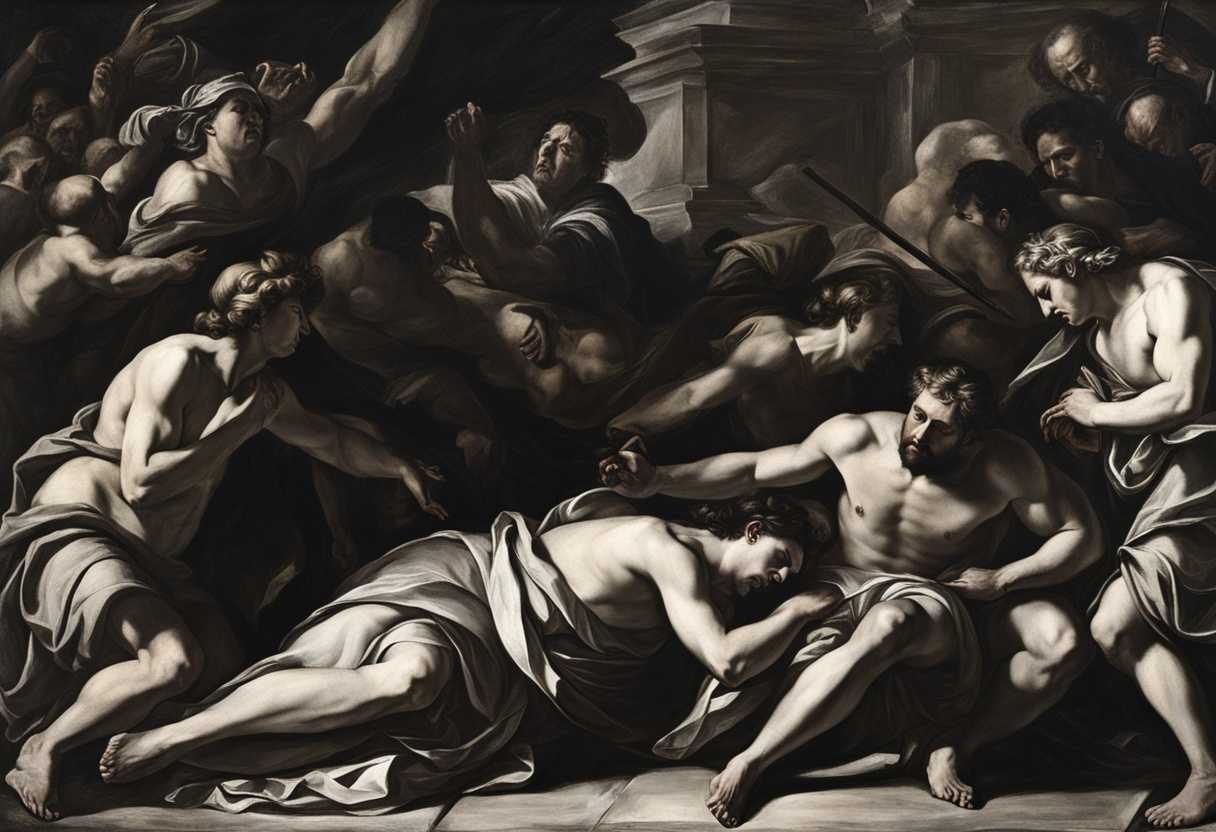
What the Bible Says About Torment: Understanding Its Definition and Context
In the Bible, “torment” often refers to intense suffering or anguish, both physical and spiritual. It can describe the anguish of the wicked in hell (Luke 16:23-24) or the trials faced by the faithful as a means of spiritual testing and refinement (James 1:2-4). Scripture 28 And when he came to the other side, to…
-

What the Bible Says About Divine Revelation: Understanding Its Definition and Significance
Divine revelation in the Bible refers to the act of God disclosing His character, will, and truth to humanity, primarily through Scripture, prophetic messages, and the person of Jesus Christ. It encompasses the understanding that God seeks relationship and understanding with people through His revealed Word. Scripture 10 Jacob left Beersheba and went toward Haran.…
-

What the Bible Says About the End of Days: Understanding Its Meaning
In the Bible, the phrase “end of days” generally refers to a future time when God’s final judgment will occur, often associated with the culmination of human history and the establishment of God’s eternal kingdom. It emphasizes a period of divine intervention and restoration, as seen in prophetic books like Daniel and Revelation. Scripture 1…
-

What the Bible Says About the Meaning of Archangels
In the Bible, archangels are described as high-ranking angels who serve significant roles in God’s hierarchy, often delivering important messages and leading other angels. The term is notably associated with Michael, who is referred to as an archangel in Jude 1:9, symbolizing strength and protection. Scripture 13 But we do not want you to be…
-

What the Bible Says About the Heart of Stone
In the Bible, the phrase “heart of stone” symbolizes a hardened, unresponsive, or rebellious attitude toward God and His ways (Ezekiel 36:26). It contrasts with a “heart of flesh,” which represents a soft, receptive, and obedient spirit. Scripture 19 And I will give them one heart, and a new spirit I will put within them.…
-

What the Bible Says About Tender Mercies
In the Bible, “tender mercies” refers to compassionate love and kindness, often attributed to God’s nature towards His creation. It signifies a deep emotional sensitivity and care for those in distress, highlighting God’s willingness to forgive and offer grace. Scripture 6 Remember your mercy, O Lord, and your steadfast love, for they have been from…
-

What the Bible Says About Morrow: Understanding Its Definition and Significance
In the Bible, “morrow” typically refers to the following day or the next morning (as seen in passages like Genesis 19:34). It signifies a time of anticipation or the continuation of events, often associated with divine plans unfolding. Scripture 22 On the sixth day they gathered twice as much bread, two omers each. And when…
-

What the Bible Says About Calamus: Definition and Significance
Calamus, referenced in the Bible (Exodus 30:23, Ezekiel 27:19), is a fragrant plant often associated with sweetness and used in anointing oil, symbolizing holiness and consecration. Its significance lies in its role in rituals and offerings, highlighting the importance of purity and devotion in worship. Scripture 22 The Lord said to Moses, 23 “Take the…