
Category: Spiritual and Theological Concepts
-

What the Bible Says About the Apocalypse: Understanding Its Meaning
In the Bible, the term “apocalypse” primarily refers to the revelation of divine truths, particularly concerning the end times and God’s ultimate plan for humanity, as seen in the Book of Revelation. The word itself comes from the Greek “apokalypsis,” meaning “unveiling” or “disclosure.” Scripture 1 The revelation of Jesus Christ, which God gave him…
-

What the Bible Says About the Meaning of the Hebrew Bible
The Hebrew Bible, also known as the Tanakh, is a collection of sacred texts in Judaism, consisting of three main parts: the Torah (Law), Nevi’im (Prophets), and Ketuvim (Writings). It serves as the foundational scripture for Jewish faith and practice, encapsulating religious laws, history, poetry, and prophecy. Scripture 1 In the beginning, God created the…
-
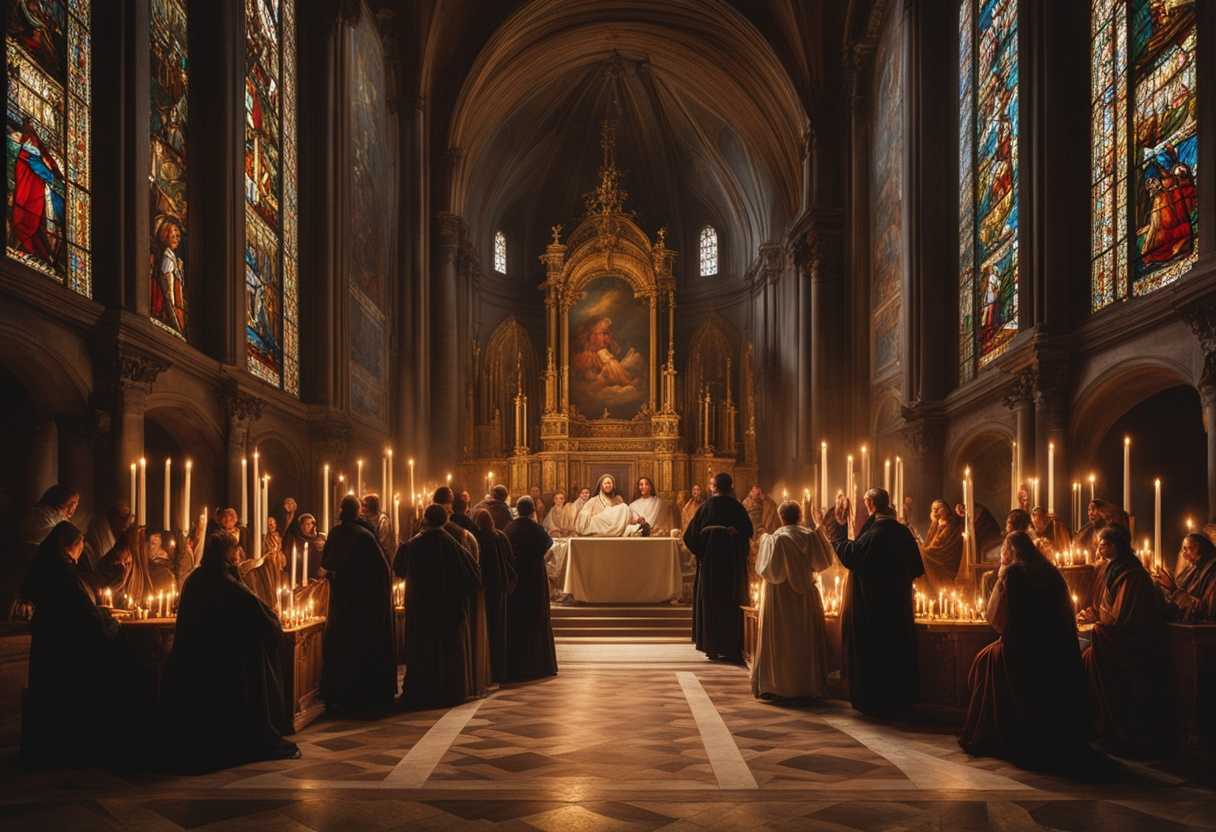
What the Bible Says About Doxology: Definition and Significance
Doxology in the Bible refers to a short hymn of praise to God, often used in liturgical contexts. It acknowledges God’s glory and majesty, typically concluding a prayer or a section of scripture, such as the well-known “Glory be to the Father, and to the Son, and to the Holy Spirit.” Scripture 1 Praise the…
-

What the Bible Says About Earnestly: A Definition and Exploration
In the Bible, “earnestly” refers to a sincere and intense conviction or fervor in one’s actions or prayers. It signifies a heartfelt and determined approach to seeking God or pursuing righteousness, as seen in passages like James 5:16, which emphasizes the power of earnest prayer. Scripture 16 Therefore, confess your sins to one another and…
-
What the Bible Says About Its Immutable Meaning
In the Bible, “immutable” refers to the unchanging nature of God, emphasizing His consistency and reliability. Key verses like James 1:17 highlight that with God, there is “no variation or shadow due to change,” signifying His eternal and unalterable essence. Scripture 19 God is not man, that he should lie, or a son of man,…
-

What the Bible Says About the Meaning of “Way”
In the Bible, “way” often refers to a path or manner of living that guides one toward righteousness and alignment with God’s will (Psalm 1:6). It can imply both a literal journey and a metaphorical route representing one’s spiritual life and choices (Proverbs 3:6). Scripture 5 Trust in the Lord with all your heart, and…
-

What the Bible Says About the Meaning of Red
The term “red Bible” commonly refers to editions of the Bible that highlight the words of Jesus in red ink, symbolizing His authority and significance. This practice aims to draw attention to Christ’s teachings within the broader Biblical text. Scripture 12 And God said, “This is the sign of the covenant that I make between…
-

What the Bible Says About the Meaning of Immanuel
In the Bible, “Immanuel” means “God with us” and is a name that signifies God’s presence among His people. This term appears in Isaiah 7:14 and is often associated with the prophecy of the birth of Jesus Christ in the New Testament, highlighting the incarnation of God in human form. Scripture 10 Again the Lord…
-
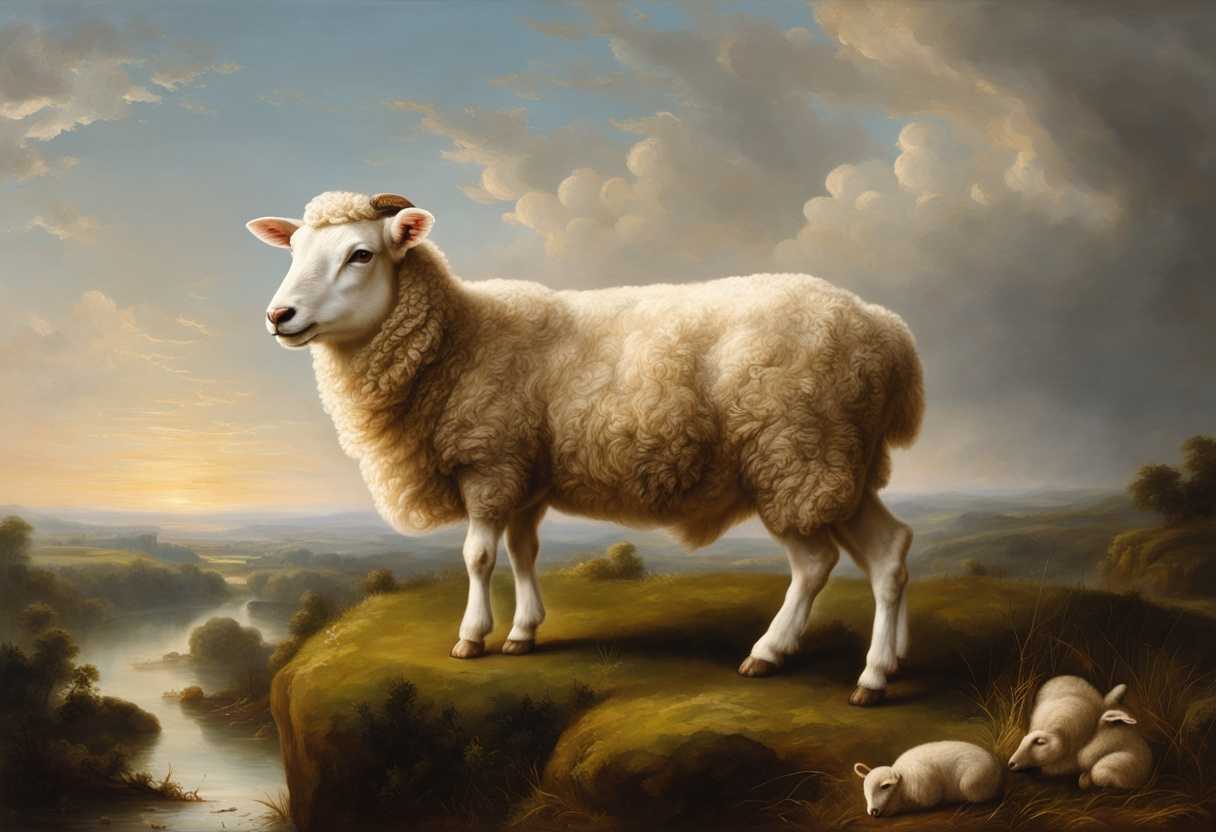
What the Bible Says About the Lamb of God: Meaning and Significance
The “Lamb of God” in the Bible refers to Jesus Christ as the sacrificial offering for humanity’s sins, symbolizing innocence and purity. This title highlights His role in redemption, as seen in John 1:29, where John the Baptist identifies Jesus as the one who takes away the sin of the world. Scripture 29 The next…
-

What the Bible Says About Wistfulness: A Definition and Reflection
The term “wist” in the Bible is an archaic form of the word “knew,” meaning to be aware of or to have knowledge about something. It is often used in older translations, such as the King James Version, to convey understanding or recognition. Scripture 1 After two whole years, Pharaoh dreamed that he was standing…