
Category: Spiritual and Theological Concepts
-

What the Bible Says About Thunder and Lightning: Understanding Their Symbolism
In the Bible, thunder and lightning often symbolize the power and presence of God, signifying His authority and the awe-inspiring nature of His voice (Exodus 19:16; Psalm 18:13). They can also represent divine judgment or intervention, illustrating God’s magnificence and the seriousness of His messages to humanity (Revelation 11:19). Scripture 16 On the morning of…
-

What the Bible Says About the Definitional Qualities of God
In the Bible, God’s qualities are often described as omnipotent (all-powerful), omniscient (all-knowing), and omnipresent (ever-present). Additionally, He is characterized by love, mercy, justice, holiness, and faithfulness, reflecting His nature and relationship with creation. Scripture 1 In the beginning, God created the heavens and the earth. 2 The earth was without form and void, and…
-

What the Bible Says About Semion: Understanding Its Definition and Significance
In the Bible, “semion” (or “sign”) refers to a miraculous event or token that serves as a divine indicator of God’s presence or authority, often illustrating a deeper spiritual truth or revealing the nature of God’s will. It emphasizes the role of signs in affirming faith and guiding believers (e.g., John 2:11). Scripture 1 Then…
-

What the Bible Says About the Definition of Christ
In the Bible, “Christ” is derived from the Greek word “Christos,” meaning “the Anointed One,” and denotes Jesus as the Messiah prophesied in the Old Testament, who fulfills the role of Savior and Redeemer for humanity. Christ embodies the fulfillment of God’s promise for salvation and serves as the central figure of Christianity, emphasizing His…
-
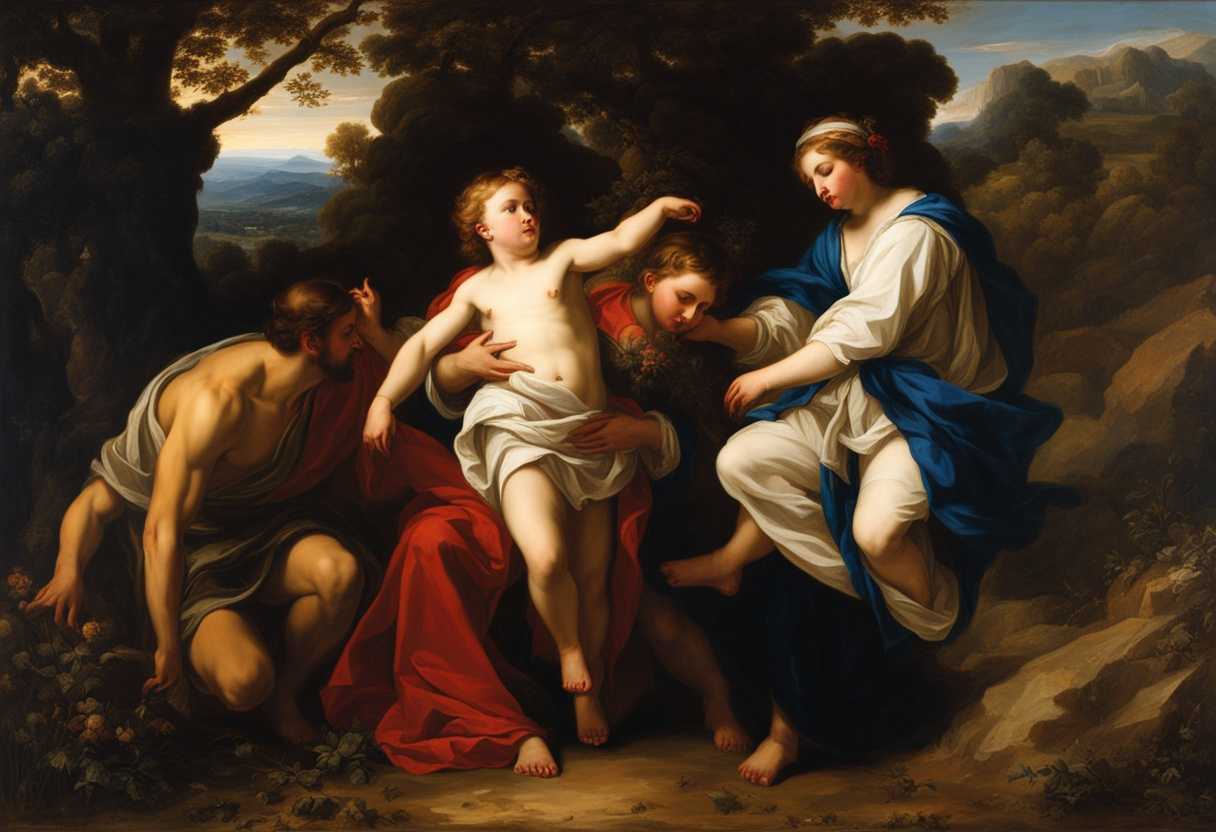
What the Bible Says About the Definition of Goel
In the Bible, “Goel” (Hebrew: גּוֹאֵל) refers to a redeemer or kinsman-redeemer, a relative who is obligated to help a family member in need, particularly in matters of land redemption, avenging wrongs, or ensuring familial legacy (Leviticus 25:25-26). The concept encompasses both legal and moral duties to restore and protect one’s family or tribe. Scripture…
-

What the Bible Says About Laughing in the Spirit
“Laughing in the Spirit” refers to a joyful expression often associated with the movement of the Holy Spirit, where individuals experience profound joy or laughter during worship or spiritual encounters. It is seen as a manifestation of divine presence, signifying freedom and delight in God’s love and grace. Scripture 1 The Lord visited Sarah as…
-

What the Bible Says About Prevenient Grace
Prevenient grace is understood as the divine grace that precedes human decision, enabling individuals to respond to God’s call. It emphasizes that God’s grace is active in a person’s life before they actively choose to accept faith, as seen in passages like Ephesians 2:8-9, which highlights salvation as a gift from God rather than solely…
-

What the Bible Says About Sanctification: Insights from the LDS Bible Dictionary
In the LDS Bible Dictionary, “sanctified” refers to the process of becoming holy or set apart for God’s purposes. It involves purification and is typically associated with receiving the Holy Ghost and adhering to Christ’s teachings. Scripture 7 Consecrate yourselves, therefore, and be holy, for I am the Lord your God. 8 Keep my statutes…
-

What the Bible Says About the Tempter: Understanding Its Definition and Role
In the Bible, a “tempter” refers to one who entices or leads others into sin or temptation, often associated with Satan or demonic forces. The most notable example is found in Matthew 4:3, where the devil approaches Jesus to provoke Him into disobedience. Scripture 1 Now the serpent was more crafty than any other beast…
-

What the Bible Says About Unmerited Grace
Unmerited grace, often referred to as “grace,” is God’s unearned favor and love bestowed upon humanity, particularly through the sacrificial death of Jesus Christ for the forgiveness of sins (Ephesians 2:8-9). It emphasizes that salvation is a gift from God, not earned by human effort, but freely given to those who believe. Scripture 8 But…