
Therefore when we could bear it no longer, we were willing to be left behind at Athens alone,
2 and we sent Timothy, our brother and God’s coworker in the gospel of Christ, to establish and exhort you in your faith,
3 that no one be moved by these afflictions. For you yourselves know that we are destined for this.
4 For when we were with you, we kept telling you beforehand that we were to suffer affliction, just as it has come to pass, and just as you know.
5 For this reason, when I could bear it no longer, I sent to learn about your faith, for fear that somehow the tempter had tempted you and our labor would be in vain.
6 But now that Timothy has come to us from you, and has brought us the good news of your faith and love and reported that you always remember us kindly and long to see us, as we long to see you—
7 for this reason, brothers, in all our distress and affliction we have been comforted about you through your faith.
8 For now we live, if you are standing fast in the Lord.
9 For what thanksgiving can we return to God for you, for all the joy that we feel for your sake before our God,
10 as we pray most earnestly night and day that we may see you face to face and supply what is lacking in your faith?
11 Now may our God and Father himself, and our Lord Jesus, direct our way to you,
12 and may the Lord make you increase and abound in love for one another and for all, as we do for you,
13 so that he may establish your hearts blameless in holiness before our God and Father, at the coming of our Lord Jesus with all his saints.
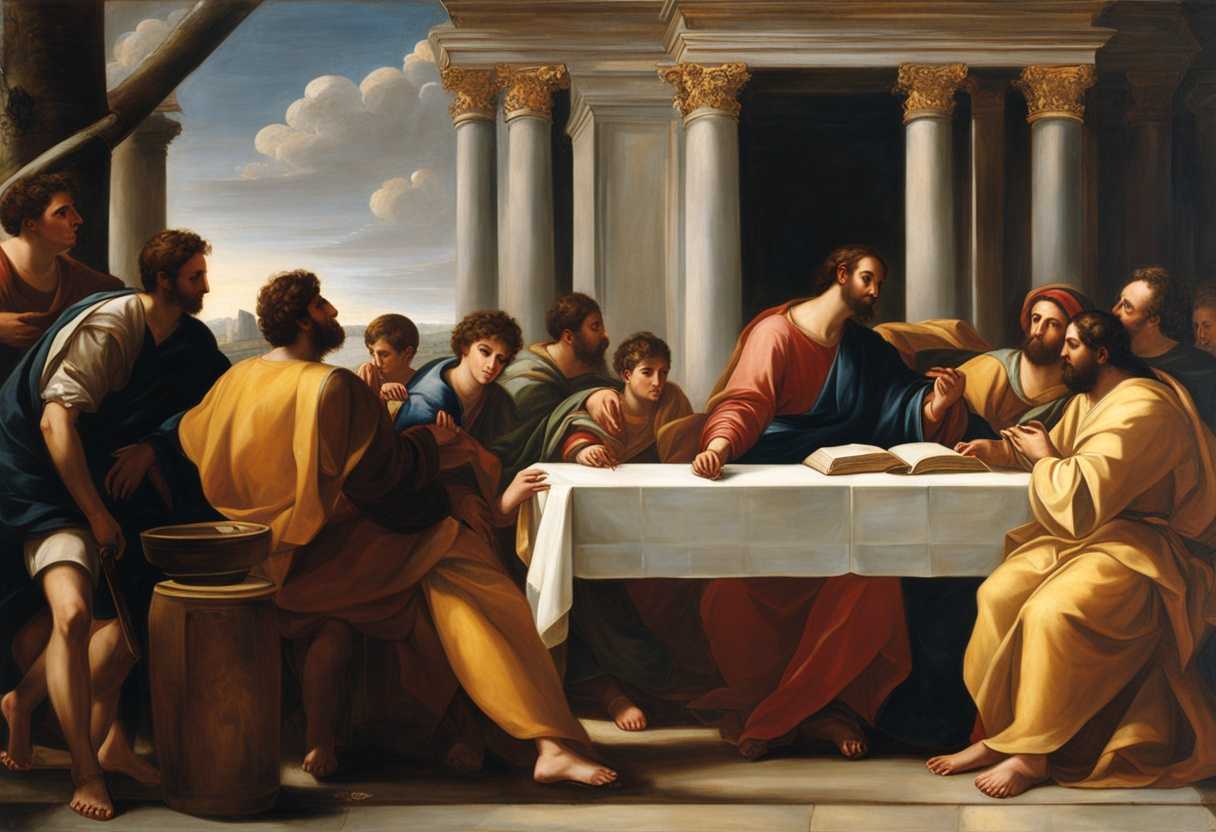
The True Meaning of 1 Thessalonians 3
The First Epistle to the Thessalonians was written by the Apostle Paul, a former persecutor of the early Christian church who had a dramatic conversion experience and became one of the most influential figures in the spread of Christianity. Paul expresses his deep concern for the Thessalonian believers and his desire to encourage them in their faith during a time of persecution in this chapter.
Paul had established the church in Thessalonica during his second missionary journey, but was forced to leave the city prematurely due to opposition from the local authorities. He reflects on his separation from the Thessalonians and his longing to be reunited with them in this chapter. He also addresses the challenges they are facing and offers words of comfort and exhortation.
The chapter highlights the importance of perseverance in the face of adversity, as well as the need for mutual encouragement and support within the body of Christ. Paul’s words echo the sentiments expressed in other Pauline epistles, such as his admonition to “rejoice always” (1 Thessalonians 5:16) and his emphasis on the hope of Christ’s return (1 Thessalonians 4:13-18).
1 Thessalonians 3:1-5
We can analyze the different components of the passage in 1 Thessalonians 3:1-5 to better understand the message being conveyed. Let’s start with the first section:
“Now when we could bear it no longer, we were willing to be left behind at Athens alone, and we sent Timothy, our brother and God’s coworker in the gospel of Christ, to establish and exhort you in your faith… Paul expresses his concern for the church in Thessalonica in this portion. He mentions being separated from them and expresses a desire to reconnect with them. Paul’s deep care for the Thessalonians is evident here, as he is willing to sacrifice being alone in Athens to send Timothy to minister to them. This demonstrates the importance of supporting and encouraging fellow believers in their faith journey. The use of Timothy as a messenger highlights the value of having trusted companions in spreading the gospel and supporting the growth of the church.
Moving on to the next section:
“…that no one be moved by these afflictions. For you yourselves know that we are destined for this. For when we were with you, we kept telling you beforehand that we were to suffer affliction, just as it has come to pass, and just as you know.”
Here, Paul is addressing the suffering and afflictions that the Thessalonian believers are experiencing. He reminds them that as followers of Christ, they are destined to face hardships. This is a timeless message that resonates throughout the Bible. Jesus Himself warned His disciples of the trials they would face (John 16:33). The presence of suffering should not shake our faith but rather strengthen it, knowing that it is a part of the Christian journey. Paul’s transparency about the struggles he himself faced serves as an encouragement to the Thessalonians, showing them that they are not alone in their trials.
Continuing with the passage:
“For this reason, when I could bear it no longer, I sent to learn about your faith, for fear that somehow the tempter had tempted you and our labor would be in vain.”
Paul’s mention of “the tempter” refers to Satan, who seeks to derail believers from their faith. Paul’s concern for the spiritual well-being of the Thessalonians reflects his pastoral heart. He understands the constant spiritual battle that believers face and the need to guard against the schemes of the enemy. This serves as a reminder for us today to be vigilant in our faith, staying rooted in God’s Word and seeking the support of fellow believers to resist temptation. The concept of spiritual warfare is prevalent throughout the Bible (Ephesians 6:12), highlighting the importance of being aware of the spiritual forces at play in our lives. 1 Thessalonians 3:1-5 offers valuable insights into themes of faithfulness, perseverance in suffering, and spiritual warfare. Paul’s example of caring for the Thessalonian church, his honesty about the reality of suffering, and his vigilance against spiritual attacks provide timeless lessons for believers today. The passage serves as a reminder of the importance of supporting one another in faith, standing firm in the face of trials, and remaining alert to the tactics of the enemy.
1 Thessalonians 3:6-10
-
Breakdown of the verse into important sections:
-
“But now that Timothy has come to us from you,”
- “and has brought us good news of your faith and love”
- “and reported that you always remember us kindly and long to see us, as we long to see you.”
- “For this reason, brothers, in all our distress and affliction we have been comforted about you through your faith.”
- “For now we live, if you are standing fast in the Lord.”
-
“For what thanksgiving can we return to God for you, for all the joy that we feel for your sake before our God? We pray most earnestly night and day to see you face to face and supply what is lacking in your faith.”
-
The passage in the first section mentions Timothy’s visit to Paul. Timothy’s presence brought good news to Paul and his companions about the faith and love of the Thessalonian believers. This section emphasizes the importance of encouragement and the sharing of positive reports in the community of believers. It also highlights the role of messengers in spreading important news and reaffirming bonds of faith and love among members of the early church.
Moving on to the next part, Paul expresses his joy and gratitude for the Thessalonians’ continued faithfulness and warm sentiments towards him and his companions. This mutual longing to see one another reflects the deep emotional connection and bond that existed between Paul and the Thessalonian church. Such affectionate relationships were vital in sustaining and strengthening the early Christian communities, demonstrating the significance of fellowship and unity among believers.
The passage then goes on to show how the Thessalonians’ faith served as a source of comfort and encouragement to Paul and his companions amidst trials and hardships. Their unwavering faith was a source of strength for the apostles, highlighting the reciprocal nature of support and faith within the body of Christ. This underscores the importance of remaining steadfast in faith during times of difficulty and the role of fellow believers in providing comfort and reassurance.
Furthermore, Paul expresses his profound gratitude to God for the Thessalonians, recognizing the joy that their faith and perseverance bring not only to him but also before God. This attitude of thanksgiving points to the central theme of gratitude in Christian living, reminding believers of the importance of acknowledging and appreciating the faithfulness and growth of their fellow brothers and sisters in Christ.
Lastly, Paul conveys his earnest desire to be reunited with the Thessalonians face to face. His longing to see them demonstrates the apostle’s pastoral care and commitment to nurturing the spiritual growth and well-being of the believers under his care. This section highlights the significance of personal connection and mentorship in the context of Christian discipleship, emphasizing the role of leaders in equipping and building up the faith of the church.
Throughout this passage, the themes of faith, love, encouragement, gratitude, and pastoral care intertwine to illustrate the deep and interconnected relationships within the early Christian community. It serves as a reminder to believers of the importance of mutual support, emotional connection, and spiritual growth within the body of Christ, echoing similar sentiments found in other biblical verses such as Romans 12:10 (“Love one another with brotherly affection. Outdo one another in showing honor.”) and Galatians 6:2 (“Bear one another’s burdens, and so fulfill the law of Christ.”).
1 Thessalonians 3:11-13
The apostle Paul writes in 1 Thessalonians 3:11-13, “Now may our God and Father himself, and our Lord Jesus, direct our way to you, and may the Lord make you increase and abound in love for one another and for all, as we do for you, so that he may establish your hearts blameless in holiness before our God and Father, at the coming of our Lord Jesus with all his saints.”” This passage is a heartfelt prayer and exhortation from Paul to the Thessalonian believers. Paul is asking God to direct his way back to the Thessalonians in the first part of this passage. It shows Paul’s longing to be with the believers in Thessalonica, to continue to nurture and strengthen their faith. This prayer also exemplifies the importance of seeking God’s guidance in our journeys and relationships. Paul’s desire to be with the Thessalonians reflects the bond and care he had for these believers, wanting to support them in their growth in faith.
The next part of the passage focuses on Paul’s prayer for the Thessalonian believers to increase and abound in love for one another and for all people. Love is a central theme in the teachings of Jesus and is emphasized throughout the New Testament. Paul is encouraging the believers in this context to not only love one another within the faith community but also to extend that love to all people. This aligns with Jesus’ commandment to love your neighbor as yourself (Matthew 22:39). Paul is reminding the Thessalonian believers of the importance of demonstrating Christ-like love in their interactions with others by emphasizing love.
Paul also prays that the Thessalonian believers’ hearts may be established blameless in holiness before God at the coming of the Lord Jesus. This highlights the significance of leading a life of holiness and purity, striving to live in a way that honors God. The expectation of Jesus’ return is a recurring theme in the New Testament, reminding believers to be prepared and to live lives that reflect their faith. Paul’s prayer for their holiness underscores the importance of living a life that is set apart for God, in anticipation of the second coming of Christ.
Lastly, Paul mentions the coming of the Lord Jesus with all his saints. This refers to the future return of Christ, where he will come in glory with his faithful followers. This alludes to a time of judgment, where those who have lived in accordance with God’s will will be united with Him. The mention of this event serves as a reminder to the Thessalonian believers, and to believers throughout history, to live in a manner that is pleasing to God and to eagerly await the return of Christ. Paul encapsulates his deep concern for the spiritual well-being of the Thessalonian believers, his prayers for their growth in love and holiness, and his reminder of the ultimate return of Christ in 1 Thessalonians 3:11-13. This passage emphasizes the enduring importance of love, holiness, and anticipation of Christ’s return in the life of a believer.
After 1 Thessalonians 3
The apostle Paul had been deeply concerned for the Thessalonian believers. He had sent Timothy to check on them, and was relieved to hear that their faith remained strong. Paul expressed his joy and gratitude, and encouraged them to continue growing in their love for one another. Paul will build upon this foundation of faith and love as we move into the next chapter. He will provide practical guidance on how the Thessalonians should live their lives in a manner worthy of God. The apostle will address specific areas of concern, equipping this young church to stand firm in the face of persecution and temptation. Paul imparts timeless wisdom to the beloved congregation in 1 Thessalonians chapter 4. May we too heed his words and strive to please God in all that we do.

Reverend Michael Johnson is an experienced Church Minister with a profound expertise in spirituality and guidance. With a serene presence and a compassionate heart, he has faithfully served his congregation for over 20 years, leading them on a spiritual journey towards inner peace and enlightenment. Reverend Johnson’s extensive knowledge of religious philosophies and profound understanding of human nature have made him a trusted confidant and mentor to many, as he seamlessly weaves his profound wisdom into life teachings. Reverend Johnson’s calming demeanor and empathetic nature continue to uplift and heal souls, nurturing a sense of unity and tranquility within his community.