
1 And they brought in the ark of God and set it inside the tent that David had pitched for it, and they offered burnt offerings and peace offerings before God.
2 And when David had finished offering the burnt offerings and the peace offerings, he blessed the people in the name of the Lord.
3 Then he distributed to each man of Israel, both man and woman, to each a loaf of bread, a portion of meat, and a cake of raisins.
4 Then he appointed some of the Levites as ministers before the ark of the Lord, to invoke, to thank, and to praise the Lord, the God of Israel.
5 Asaph was the chief, and second to him were Zechariah, Jeiel, Shemiramoth, Jehiel, Mattithiah, Eliab, Benaiah, Obed-edom, and Jeiel, who were to play harps and lyres; Asaph was to sound the cymbals,
6 and Benaiah and Jahaziel the priests were to blow trumpets regularly before the ark of the covenant of God.
7 Then on that day David first appointed that thanksgiving be sung to the Lord by Asaph and his brothers.
8 Oh give thanks to the Lord; call upon his name; make known his deeds among the peoples!
9 Sing to him, sing praises to him; tell of all his wondrous works!
10 Glory in his holy name; let the hearts of those who seek the Lord rejoice!
11 Seek the Lord and his strength; seek his presence continually!
12 Remember the wondrous works that he has done, his miracles, and the judgments he uttered,
13 O offspring of Israel his servant, sons of Jacob, his chosen ones!
14 He is the Lord our God; his judgments are in all the earth.
15 Remember his covenant forever, the word that he commanded, for a thousand generations,
16 the covenant that he made with Abraham,
his sworn promise to Isaac,
17 Yet he did not leave himself without witness, for he did good by giving you rains from heaven and fruitful seasons, satisfying your hearts with food and gladness.
18 saying, “To you I will give the land of Canaan as your portion for an inheritance.”
19 When you were few in number, and of little account, and sojourners in it,
20 “they wandered from nation to nation,
from one kingdom to another people;”
21 He allowed no one to oppress them; he rebuked kings on their account,
22 “Touch not my anointed ones, do my prophets no harm!”
23 Sing to the Lord, all the earth!
Tell of his salvation from day to day.
24 Declare his glory among the nations, his marvelous works among all the peoples!
25 For great is the Lord, and greatly to be praised, and he is to be feared above all gods.
26 For all the gods of the peoples are idols, but the Lord made the heavens.
27 Splendor and majesty are before him; strength and joy are in his place.
28 Ascribe to the Lord, O families of the peoples, ascribe to the Lord glory and strength!
29 Ascribe to the Lord the glory due his name; bring an offering and come before him! Worship the Lord in the splendor of holiness;
30 Tremble before him, all the earth; yes, the world is established; it shall never be moved.
31 Let the heavens be glad, and let the earth rejoice,
and let them say among the nations, “The Lord reigns!”
32 Let the sea roar, and all that fills it; let the field exult, and everything in it!
33 Then shall the trees of the forest sing for joy before the Lord, for he comes to judge the earth.
34 Oh give thanks to the Lord, for he is good;
for his steadfast love endures forever!
35 Save us, O God of our salvation, and gather and deliver us from among the nations, that we may give thanks to your holy name and glory in your praise.
36 Blessed be the Lord, the God of Israel, from everlasting to everlasting! Then all the people said, “Amen!” and praised the Lord.
37 So David left Asaph and his brothers there before the ark of the covenant of the Lord to minister regularly before the ark as each day required,
38 And Obed-edom with their brothers, sixty-eight, Obed-edom also the son of Jeduthun, and Hosah were to be gatekeepers.
39 And Zadok the priest and his brothers the priests before the tabernacle of the Lord in the high place that was at Gibeon
40 to offer burnt offerings to the Lord on the altar of burnt offering regularly morning and evening, according to all that is written in the Law of the Lord that he commanded Israel.
41 and with them Heman and Jeduthun and the rest who were chosen and expressly named to give thanks to the Lord, for his steadfast love endures forever.
42 and with them Heman and Jeduthun and the rest who were chosen and expressly named to give thanks to the Lord, for his steadfast love endures forever.
43 Then all the people departed each to his house, and David went home to bless his household.
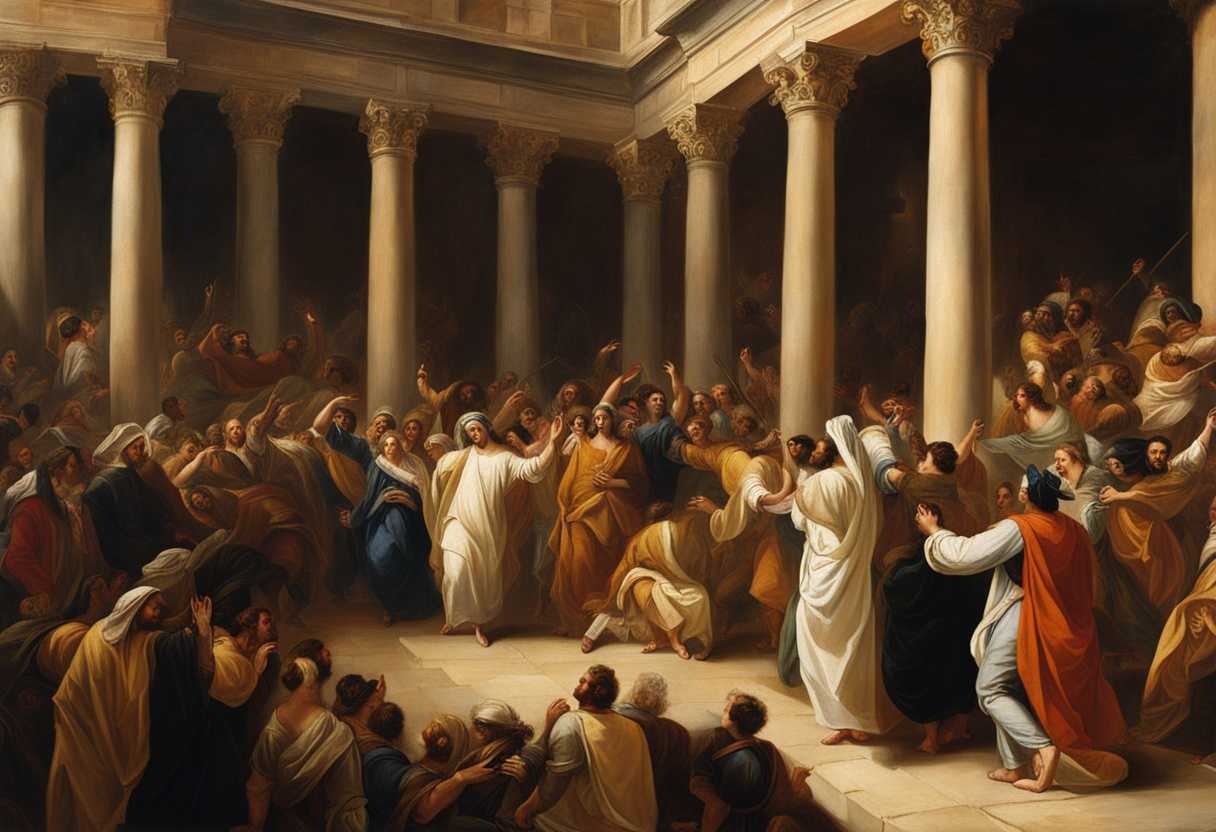
The True Meaning of 1 Chronicles 16
The Book of 1 Chronicles was written by the prophet Ezra, who lived during the time of the Babylonian exile. Ezra was a scribe and priest who played a crucial role in the restoration of the Jewish people after their return from captivity. King David brings the Ark of the Covenant to Jerusalem, and we witness the joyous celebration in this chapter. This event marks a significant moment in the history of Israel, as the presence of the Ark symbolizes the renewed relationship between God and His chosen people. The chapter also includes a beautiful psalm of thanksgiving, reminding us of the importance of worshiping the Lord with all our hearts. As we delve into this passage, David reflects the lessons found in other biblical books, such as the emphasis on obedience and reverence towards God in the book of Deuteronomy. Additionally, the chapter foreshadows the future establishment of the temple, which will become the central place of worship for the Israelites.
1 Chronicles 16:1-6
David opens the passage in 1 Chronicles 16:1-6 by bringing the Ark of the Covenant into the tent he had prepared for it in Jerusalem. This act is a significant moment in Israel’s history as it symbolizes the restoration of the worship of God at the center of the nation. The Ark of the Covenant was the sacred chest that contained the stone tablets inscribed with the Ten Commandments, Aaron’s rod that budded, and a pot of manna. It represented God’s presence among His chosen people and was a focal point of worship.
David’s desire to have the Ark in Jerusalem reflects his devotion to God and his commitment to reestablishing Israel’s spiritual identity. David emphasized the importance of God’s presence and sought to align the nation with God’s will by bringing the Ark to Jerusalem. This action is a reminder to us today of the significance of honoring and worshiping God in our lives, making Him the center of our existence.
The Levites were chosen to be the ones to carry the Ark of the Covenant, emphasizing the importance of the priesthood and the role of Levites in the worship of God. The Levites were descendants of Levi, one of the twelve sons of Jacob, and were set apart for the service of God in the tabernacle and later in the temple. Their duties included caring for the sanctuary, assisting the priests in their functions, and leading the people in worship.
Additionally, David appointed certain Levites to minister before the Ark of the Lord, to invoke, to thank, and to praise the Lord, the God of Israel. This highlights the importance of worship in the life of believers. Praising and thanking God are central components of a relationship with Him. We are called to offer God our thanksgiving and praise in our own lives, acknowledging His faithfulness, goodness, and mercy towards us.
David’s act of worship and devotion to God serves as a model for us today. David demonstrates the importance of seeking God’s presence and making Him the focal point of our lives by bringing the Ark of the Covenant to Jerusalem. This passage encourages us to prioritize worship and honor God in all we do, recognizing His sovereignty and faithfulness. Just as David celebrated and worshiped before the Ark, we too should approach God with reverence, thanksgiving, and praise, recognizing His goodness and grace in our lives.
1 Chronicles 16:7-10
The people show a beautiful display of gratitude and praise to the Lord in 1 Chronicles 16:7-10. Let’s break it down further:
-
“That day David first appointed Asaph and his associates to give praise to the Lord in this manner:” – This verse sets the scene where David, after bringing the ark of the covenant to Jerusalem, appoints Asaph and his associates to lead the people in praising the Lord. Asaph, a Levite, was known for his musical talents and was appointed by David to oversee musical worship (1 Chronicles 15:17-19). This choice was significant as it emphasized the importance of music in worship and the inclusion of various talents in honoring God.
-
“Give thanks to the Lord, call on his name; make known among the nations what he has done.” – This verse emphasizes the call to give thanks to the Lord, to call on His name, and to proclaim His deeds among the nations. It reflects a theme seen throughout the Bible of spreading the Good News and sharing the wonders God has done. This aligns with the Great Commission in the New Testament where Jesus instructs his disciples to go and make disciples of all nations (Matthew 28:19-20).
-
“Sing to him, sing praise to him; tell of all his wonderful acts.” – This verse underscores the power of music and song in worship. Music has the ability to touch the soul in a unique way and can be a powerful tool for expressing gratitude and praise to God. The act of singing praises to God is mentioned numerous times in the Bible (Psalm 96:1-3, Psalm 105:2), highlighting the importance of using our voices to glorify Him.
-
“Glory in his holy name; let the hearts of those who seek the Lord rejoice.” – This verse encourages us to find our joy and satisfaction in God alone. When we seek the Lord with all our hearts, we will find true joy and contentment in His presence. This idea is echoed in Psalm 37:4, which says, “Take delight in the Lord, and he will give you the desires of your heart. These verses from 1 Chronicles 16 remind us of the significance of gratitude, praise, and worship in our relationship with God. Through music, proclamation, and rejoicing in His name, we can honor and glorify the Lord, spreading his wonderful acts to all nations. This message is timeless and serves as a reminder for believers to continuously offer thanksgiving and praise to God.
1 Chronicles 16:11-14
- “Seek the Lord and his strength; seek his presence continually! O offspring of Israel his servant, children of Jacob, his chosen ones, remember the wondrous works that he has done, his miracles, and the judgments he uttered! He is the Lord our God; his judgments are in all the earth. Several key themes are presented in these verses from 1 Chronicles 16. The call to “Seek the Lord and his strength; seek his presence continually!” emphasizes the importance of seeking God diligently and relying on His strength in our lives. This is a timeless message that underscores the need for believers to continually seek God’s guidance, power, and presence in all aspects of their lives. It is a reminder that our strength ultimately comes from God, and by seeking Him, we can find the strength to face any challenges or trials that come our way.
The verse also highlights the importance of remembering God’s wondrous works, miracles, and judgments. This call to remembrance serves as a way of encouraging believers to reflect on God’s faithfulness, power, and sovereignty throughout history. Recalling the miracles and judgments of God reminds us of His greatness and inspires us to trust in Him more fully. This reflects the biblical pattern of God’s people recounting and celebrating His acts of deliverance and provision, such as the Exodus from Egypt or the conquest of Canaan.
The reference to the offspring of Israel, the children of Jacob, and God’s chosen ones emphasizes the special relationship that God has with His people. Throughout the Bible, we see God’s covenant with the nation of Israel and His faithfulness to them despite their shortcomings. The mention of Israel and Jacob serves to remind us of God’s promises to His chosen people and His enduring love for them. This highlights the biblical theme of God’s faithfulness to His people and His commitment to fulfilling His promises, even in the face of human unfaithfulness.
Finally, the declaration that “He is the Lord our God; his judgments are in all the earth” underscores the universal sovereignty of God. This statement affirms God’s authority over all creation and His righteous judgments that encompass the entire earth. It speaks to the overarching theme in the Bible of God’s rule over all nations and His ultimate justice in the affairs of humanity. This serves as a powerful reminder of God’s sovereignty and His rightful place as the ruler of the universe. Believers are called to seek God’s strength and presence continually, remember His wondrous works and judgments, recognize the special relationship between God and His chosen people, and affirm the universal sovereignty of God over all the earth in these verses from 1 Chronicles 16. These timeless messages resonate throughout the Bible and serve as a foundational framework for understanding God’s character and His relationship with humanity. Believers can deepen their faith and experience God’s power and presence in their lives by internalizing these truths and seeking to live in accordance with them.
1 Chronicles 16:15-18
The passage in 1 Chronicles 16:15-18 can be broken down into several important sections. He commanded us to remember His covenant forever, the word for a thousand generations.”
2. “The covenant which He made with Abraham, and His oath to Isaac.”
3. “And confirmed it to Jacob for a statute, to Israel as an everlasting covenant.”
4. “Saying, ‘To you I will give the land of Canaan as the allotment of your inheritance.’”
Starting with the first section, the emphasis here is on the importance of remembering and honoring God’s covenant. The covenant referenced here is the promise that God made to Abraham, Isaac, and Jacob regarding the land of Canaan. This covenant was not just for their lifetime, but for a thousand generations, underscoring the eternal nature of God’s promises and commitments. This verse stresses the significance of passing down these stories and promises through generations so that the people never forget the faithfulness of God.
Moving on to the second section, the covenant with Abraham, Isaac, and Jacob is highlighted. This covenant was foundational in the history of the Israelites, as it established them as God’s chosen people and promised them a land of their own. The mention of Abraham reminds the readers of God’s faithfulness in fulfilling His promises, despite the challenges and obstacles faced by Abraham and his descendants. This covenant with Abraham set the stage for the overarching plan of God to bring blessings to all nations through the nation of Israel (Genesis 12:2-3). God’s promises demonstrate the enduring nature of the covenant described as an everlasting covenant in the third section. The covenant was not just a one-time agreement, but a continuous commitment from God to His people. God was establishing a permanent relationship with His chosen people by confirming it as a statute to Israel. This reaffirmation of the covenant with Jacob emphasizes the continuity of God’s plan throughout the generations, ensuring that His promises would be fulfilled in due time.
Lastly, the verse mentions the specific promise of land to the Israelites – the land of Canaan as their inheritance. This promise of land was not just about physical territory but also symbolized God’s provision, protection, and presence among His people. The land of Canaan held great significance in the history of Israel, as it was the fulfillment of God’s promise to the patriarchs. Through this promise, God demonstrated His faithfulness in providing for His people and fulfilling His word. 1 Chronicles 16:15-18 emphasizes the importance of remembering and honoring God’s covenant with the patriarchs – Abraham, Isaac, and Jacob. This covenant, marked by promises of land and blessings, served as the foundation of God’s relationship with His people throughout history. These verses remind believers of God’s faithfulness and His enduring commitment to His people by highlighting the eternal nature of God’s promises and the significance of the land of Canaan.
1 Chronicles 16:19-22
Verse 19 begins by referencing an event in the history of the Israelites: “When they were few in number, of little account, and sojourners in it, wandering from nation to nation, from one kingdom to another people.” Here, the Bible is harkening back to the time when the Israelites were just a small, vulnerable group, without a land of their own. This draws attention to the humble origins of the Israelites, highlighting how they were once a marginalized, wandering people. This serves as a reminder of God’s faithfulness and provision throughout their journey from a wandering nation to a mighty kingdom. It emphasizes the importance of trusting in God’s plan and timing, even when we feel insignificant or vulnerable.
Verse 20 continues by stating, “He allowed no one to oppress them; he rebuked kings on their account, saying, ‘Touch not my anointed ones, do my prophets no harm!’” This verse showcases God’s protection over the Israelites. Even when they were few in number and vulnerable, God intervened on their behalf, preventing others from causing them harm. The reference to God’s anointed ones and prophets highlights the special relationship God had with the Israelites, particularly through figures like Moses and the prophets who conveyed God’s messages to the people. This verse underscores God’s unwavering commitment to safeguarding His chosen people and illustrates the consequences of going against those whom God has set apart for His purposes.
Moving on to verse 21, it reads, “Sing to the Lord, all the earth! Tell of his salvation from day to day.” This shift in focus encourages all people, not just the Israelites, to praise and worship God. The call to “sing to the Lord” and “tell of his salvation” emphasizes the universal nature of God’s redemptive plan. It signifies that God’s salvation is not just for a select group of people but is meant to be shared with everyone. This verse reinforces the idea that God’s salvation is available to all who choose to accept it, regardless of their background or status. It echoes the Great Commission in the New Testament, where Jesus instructs his disciples to go and make disciples of all nations (Matthew 28:19).
Lastly, verse 22 concludes this passage with, “Declare his glory among the nations, his marvelous works among all the peoples!” This verse further emphasizes the universal scope of God’s glory and works. It calls for a proclamation of God’s greatness and wonders to all nations and peoples. This declaration serves as a reminder that God’s sovereignty extends beyond any particular group or nation; His glory is meant to be known and acknowledged by all. It also echoes the theme of evangelism found throughout the Bible, where believers are called to spread the message of God’s love and salvation to the ends of the earth (Acts 1:8). This verse encapsulates the mission of all who follow God: to make known His glory and marvelous works to everyone they encounter. These verses from 1 Chronicles 16:19-22 highlight key aspects of God’s relationship with His people, emphasizing His protection, universal salvation, and the call to proclaim His glory to all nations. Through these verses, we are reminded of God’s faithfulness, His all-encompassing love, and the responsibility we have as believers to share the good news of His salvation with the world.
1 Chronicles 16:23-27
- “Sing to the Lord, all the earth; proclaim his salvation day after day. Declare his glory among the nations, his marvelous deeds among all peoples. For great is the Lord and most worthy of praise; he is to be feared above all gods. For all the gods of the nations are idols, but the Lord made the heavens. Splendor and majesty are before him; strength and joy are in his dwelling place.”
This passage from 1 Chronicles 16 is a call to praise and worship the Lord. It emphasizes the universality of God’s salvation and glory, prompting all the earth and all nations to sing praises and declare His marvelous deeds. The comparison made between the Lord and the “gods of the nations” highlights the true deity and power of God as the Creator of the heavens, in contrast to the idols that other nations worshiped.
The underlying message here is the exclusivity of God’s greatness and worthiness of praise. The verse stresses the importance of recognizing the one true God, who is sovereign over all creation. It serves as a reminder to the Israelites, and all believers, to exalt God above all else and to acknowledge His supremacy.
This verse echoes the theme of monotheism found throughout the Bible, emphasizing the uniqueness and incomparable nature of God. Similar sentiments can be found in verses like Psalm 96:4-5, which also speaks of the superiority of the Lord over other gods: “For great is the Lord and most worthy of praise; he is to be feared above all gods. For all the gods of the nations are idols, but the Lord made the heavens.”
The call to sing, proclaim, and declare God’s glory is a recurring theme in the Bible, highlighting the importance of worship and spreading the knowledge of God’s greatness. It encourages believers to be vocal and active in their praise of God, both individually and collectively. This act of worship not only glorifies God but also strengthens the faith of those who participate in it, fostering a deeper connection with the divine.
1 Chronicles 16:28-30
- “Ascribe to the Lord, O families of nations, ascribe to the Lord glory and strength, ascribe to the Lord the glory due his name. Bring an offering and come before him; worship the Lord in the splendor of his holiness. Tremble before him, all the earth! The world is firmly established; it cannot be moved.”
Breaking down this scripture, we see a call to all families of nations to ascribe glory and strength to the Lord, recognizing the greatness and power of God. This section emphasizes the importance of giving glory to the Lord and worshiping Him with reverence and sincerity. It speaks to the universal nature of God’s sovereignty, calling on all people to acknowledge His greatness and offer Him the honor and respect that He deserves. The act of bringing an offering before the Lord symbolizes a surrendering of oneself and acknowledging God’s provision and blessings in our lives. David composed and sang this passage as part of a psalm when the Ark of the Covenant was brought to Jerusalem in the context of 1 Chronicles 16. It reflects David’s deep reverence and awe for God, celebrating His glory and holiness. David understood the significance of worshiping God and giving Him the honor that is due His name. This event marked a pivotal moment in Israel’s history, as the Ark represented the presence of God among His people.
This verse holds a timeless message that transcends the historical context of 1 Chronicles. It reminds us of the importance of acknowledging God’s majesty, giving Him the praise and worship that He rightly deserves. It calls for humility and reverence before the Creator of the universe, emphasizing the unshakable nature of God’s kingdom and His eternal sovereignty. We, as believers, are called to approach God with awe and reverence, recognizing His glory and power in our lives. Similar calls to worship and honor God appear in other parts of the Bible. Psalm 29:2 says, “Ascribe to the Lord the glory due his name; worship the Lord in the splendor of his holiness.” This echoes the sentiment expressed in 1 Chronicles 16, emphasizing the importance of giving God the honor and glory that He deserves. It is a recurring theme throughout the Bible, reminding us of our duty as His creation to worship Him with reverence and awe.
1 Chronicles 16:31-33
The verses in 1 Chronicles 16:31-33 read: “Let the heavens be glad, and the earth rejoice! Tell all the nations, ‘The Lord reigns!’ Let the sea and everything in it shout his praise! Let the fields and their crops burst out with joy! Let the trees of the forest sing for joy before the Lord, for he is coming to judge the earth.” These verses poetically express the magnitude of God’s reign over the entire earth and all its inhabitants. They call for a jubilant celebration of God’s sovereignty, not only in human hearts but also in nature itself.
The imagery of the heavens, the earth, the sea, the fields, and the trees all rejoicing captures the universal scope of God’s kingship and the depth of his creation’s response to His glory. It reflects the biblical theme of all creation praising and acknowledging God as the supreme ruler. Psalm 96:11-12 echoes this sentiment, saying, “Let the heavens be glad, and the earth rejoice; let the sea resound, and all that is in it. Let the fields be jubilant, and everything in them; let all the trees of the forest sing for joy.”
These verses remind us that God’s reign is not limited to a specific group of people or a certain region, but it encompasses all nations and all of creation. They emphasize the universal nature of God’s lordship and the call for all people to acknowledge and exalt Him. The language of nature itself praising God’s name underscores the idea that every aspect of creation declares His glory, as Psalm 19:1-2 affirms, “The heavens declare the glory of God; the skies proclaim the work of his hands. Day after day they pour forth speech; night after night they reveal knowledge. These verses from 1 Chronicles 16 highlight the cosmic scope of God’s reign and the inherent response of creation to His majesty. They invite believers to not only recognize His kingship in their lives but to also join with all of creation in proclaiming His praise and glory. It draws attention to the interconnectedness of all that God has created, all united in worship and acknowledgment of the Creator.
1 Chronicles 16:34-36
The passage in 1 Chronicles 16:34-36 reads: “Give thanks to the Lord, for he is good; his love endures forever.” Cry out, ‘Save us, God our Savior; gather us and deliver us from the nations, that we may give thanks to your holy name, and glory in your praise.’ Praise be to the Lord, the God of Israel, from everlasting to everlasting. Then all the people said ‘Amen’ and ‘Praise the Lord.’”
The first section of the verses emphasizes the goodness of the Lord and His enduring love. The command to give thanks to the Lord is a recurring theme throughout the Bible, underscoring the importance of gratitude in the life of a believer. This act of thanksgiving is not conditional but is rooted in the very nature of God’s goodness and everlasting love. This verse echoes similar sentiments expressed in Psalms 107:1, which says, “Give thanks to the Lord, for he is good; his love endures forever.”
The subsequent section calls upon God as the Savior, recognizing His ability to save and deliver His people from their enemies. This plea for salvation reflects the Israelites’ historical experiences of being delivered from various oppressors, such as the Egyptians, Philistines, and Assyrians. It also points to a deeper spiritual truth, wherein God’s ultimate salvation through Jesus Christ is the deliverance from sin and death. This cry for deliverance is a humble acknowledgment of human dependence on God’s power and mercy, which is a central theme in the Bible.
The final part of the passage extols the Lord as the God of Israel, affirming His eternal sovereignty and faithfulness. This declaration of praise and acknowledgment of God’s kingship resonates with the broader biblical narrative of God’s covenant relationship with His chosen people. From the patriarchs like Abraham, Isaac, and Jacob to the establishment of the kingdom of Israel under King David, God’s faithfulness to His promises is a consistent thread woven throughout the Old Testament. This acknowledgment also anticipates the fulfillment of God’s ultimate plan of redemption through Jesus Christ, extending His salvation to all nations. These verses in 1 Chronicles 16 encapsulate essential aspects of faith: gratitude for God’s goodness, reliance on His salvation, and praise for His enduring faithfulness. The call to give thanks, cry out for deliverance, and offer praise sets a pattern for believers to follow in their worship and relationship with God. It reinforces the idea that God’s character is unchanging, His love is unfailing, and His power to save is limitless, providing comfort and hope to all who put their trust in Him.
1 Chronicles 16:37-43
The passage in 1 Chronicles 16:37-43 describes the responsibilities and roles of various individuals in the worship and service of God. Let’s break down this verse into important sections for thorough examination.
Firstly, in verse 37, it is stated that David left Asaph and his associates before the ark of the covenant of the Lord to minister there regularly according to each day’s requirements. Asaph was one of the chief Levites appointed by David to lead worship, sing praises, and play music before the ark. Asaph is mentioned in various parts of the Bible, particularly in the Psalms. His role highlights the importance of worship and music in the service of God. His dedication and leadership in worship set an example for believers today to approach God with praise, thanksgiving, and adoration.
Moving on to verse 38, we see Obed-Edom and his associates, who were also responsible for the ministry of worship at the tabernacle before the ark regularly. Obed-Edom was a Levite from the Kohathite clan who graciously accepted the ark into his home when King David was seeking a place to keep it. Obed-Edom and his household were greatly blessed by the presence of the ark because of his reverence and faithfulness. This narrative teaches us about the blessings that come from honoring and serving God faithfully. Obed-Edom’s story serves as a reminder that God honors those who welcome His presence and serve Him with sincerity. Zadok the priest and his fellow priests served before the tabernacle of the Lord at the high place in Gibeon in verses 39 and 40. Zadok was a faithful priest who played a significant role during the reigns of David and Solomon. He was known for his loyalty and obedience to God’s commands. Zadok’s lineage continued to play a crucial role in the priesthood throughout Israel’s history. His commitment to God’s service highlights the importance of faithfulness and obedience in our walk with God. Zadok’s faithfulness serves as a model for believers to serve God wholeheartedly and remain steadfast in their devotion.
Lastly, in verses 41-43, the chapter concludes by stating that David appointed some of the Levites to minister before the ark of the Lord, to commemorate, thank, and praise the Lord, the God of Israel. This act of worship and gratitude reflects David’s heart for God and his desire to honor Him through music, song, and praise. David understood the significance of acknowledging and thanking God for His faithfulness and blessings. This section emphasizes the importance of gratitude in our relationship with God. Giving thanks and praise to God should be an integral part of our worship and daily lives. This passage from 1 Chronicles 16 underscores the themes of worship, service, faithfulness, and gratitude in the context of honoring God. The individuals mentioned, such as Asaph, Obed-Edom, and Zadok, exemplify qualities that believers can emulate in their walk with God. Through their stories, we are reminded of the blessings that come from faithful service, the importance of worship in glorifying God, and the significance of maintaining a heart of gratitude towards God. These timeless messages continue to inspire and guide believers in their spiritual journey.
After 1 Chronicles 16
The people rejoiced and celebrated the return of the Ark of the Covenant to Jerusalem. David appointed Levites to minister before the Lord, to invoke, to give thanks, and to praise the Lord, the God of Israel. The chapter concludes with David’s psalm of thanksgiving, a powerful declaration of God’s greatness and faithfulness. The people basking in the glory of the Lord’s presence were reminded of the sacred responsibility they held. For the Ark was not merely a symbol, but a tangible representation of the covenant between God and His people. The chapter’s end sets the stage for the next, where we shall witness the unfolding of this covenant and the profound impact it would have on the nation of Israel.

Reverend Michael Johnson is an experienced Church Minister with a profound expertise in spirituality and guidance. With a serene presence and a compassionate heart, he has faithfully served his congregation for over 20 years, leading them on a spiritual journey towards inner peace and enlightenment. Reverend Johnson’s extensive knowledge of religious philosophies and profound understanding of human nature have made him a trusted confidant and mentor to many, as he seamlessly weaves his profound wisdom into life teachings. Reverend Johnson’s calming demeanor and empathetic nature continue to uplift and heal souls, nurturing a sense of unity and tranquility within his community.