
1 Corinthians 10:30 is about exercising freedom in Christ while also being mindful of how our actions may impact others in the faith community.
30 If I partake with thankfulness, why am I denounced because of that for which I give thanks?
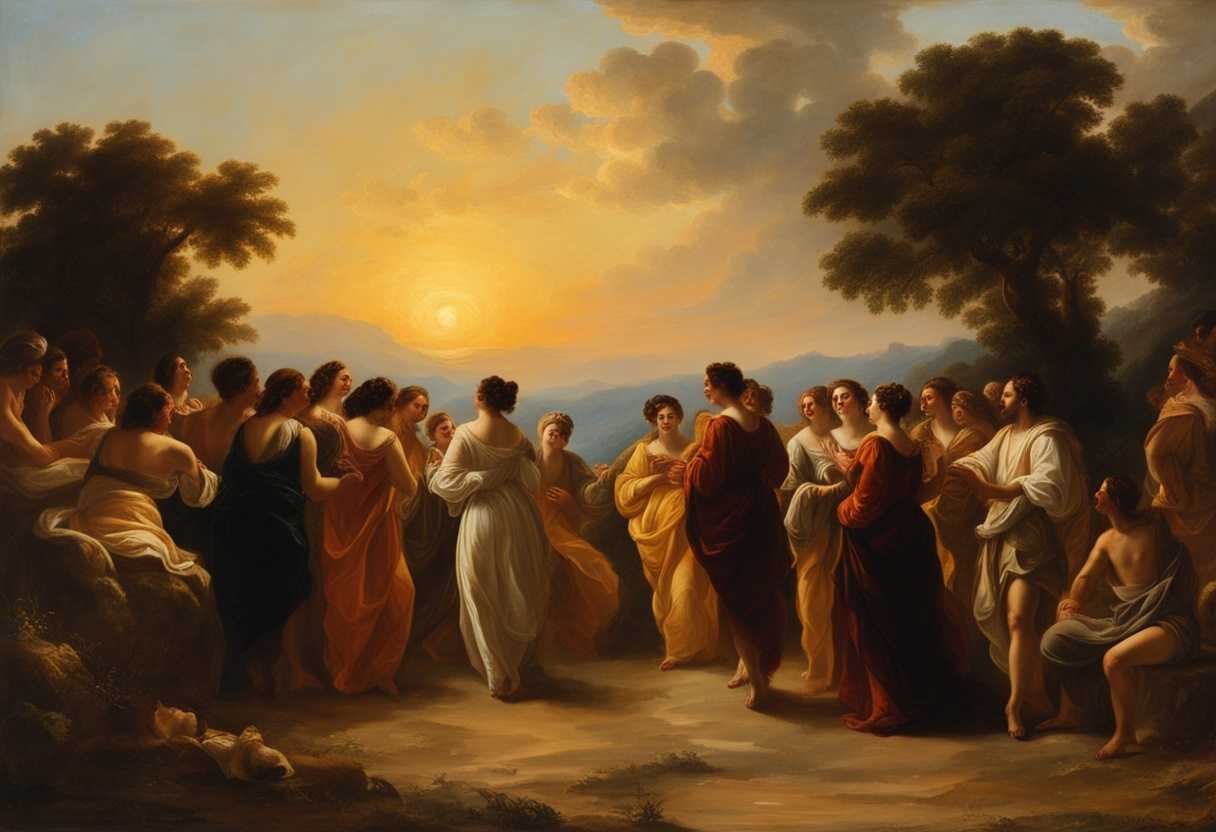
Setting the Scene for 1 Corinthians 10:30
In the bustling city of Corinth, a group of early Christians has gathered in a modest meeting place for a Bible study session. The room is dimly lit by oil lamps, casting a warm glow on the faces of the attendees. The air is filled with the scent of incense burning in the background, creating a sense of reverence and peace. The walls are adorned with simple tapestries depicting scenes from the Old Testament, serving as a visual aid for the discussion at hand.
Among the group are familiar faces such as Timothy, a young and eager disciple of Paul, and Priscilla and Aquila, a devoted couple known for their hospitality and deep understanding of scripture. They have come together to study Paul’s letter to the Corinthians, seeking guidance on how to navigate the challenges of living out their faith in a city known for its decadence and moral corruption. As they delve into the words of 1 Corinthians chapter 10, they are reminded of the importance of honoring God in all aspects of their lives, even in the seemingly mundane choices they make, such as what they eat and drink.
As the discussion unfolds, the flickering light of the oil lamps casts shadows on the faces of the attendees, highlighting the earnest expressions of those gathered. Each person brings their own unique perspective and struggles to the table, but they are united in their desire to grow in their faith and live in a way that pleases God. In this small room in Corinth, amidst the hustle and bustle of daily life, a community of believers comes together to seek wisdom and encouragement from the words of the apostle Paul, finding strength in their shared commitment to following Christ.
What is 1 Corinthians 10:30 about?
This verse from 1 Corinthians 10:31 is a powerful reminder for us to live our lives in a way that glorifies God and uplifts others. It encourages us to reflect on our actions, thoughts, and words, ensuring that they align with God’s will and bring honor to His name. We can strive to make decisions that are pleasing to God and beneficial to those around us by always keeping His glory in mind.
Imagine a world where every action you take, every word you speak, and every thought you have is done with the intention of glorifying God. How would it change the way you interact with others? How would it impact your daily choices and attitudes? This verse challenges us to live a life of purpose and meaning, where our ultimate goal is to bring honor and praise to God through our thoughts and actions. Remember this verse as you navigate through your day, using it as a guiding principle. Consider how you can reflect the glory of God and contribute positively to the lives of those around you with your decisions and behaviors. Let this verse inspire you to seek ways to honor God in all that you do, while also being mindful of how your actions may impact others. Strive to live a life that not only glorifies God but also promotes harmony and love among your community.
Understanding what 1 Corinthians 10:30 really means
Structure for Commentary:
- Introduction to the Verse
- Context within the Bible
- Key Phrases and Detailed Meanings
- Cross-references to Other Passages
- Relevance to Modern Life
- Anecdote for Practical Understanding
- Paul addresses the issue of Christian liberty and the conscience of others in 1 Corinthians 10:30. This verse is situated within a broader discussion about food sacrificed to idols and the behavior expected of Christians in such contexts. It’s a powerful reminder about the balance between personal freedom and communal responsibility.
Context within the Bible
To fully understand the meaning of this verse, it’s crucial to look at the surrounding passages. Paul is writing to the Corinthians, a diverse and often divided church, to guide them on how to live harmoniously. He emphasizes that while believers have freedoms, those freedoms should not cause others to stumble in their faith. This principle is echoed in Romans 14:15, where Paul says, “If your brother or sister is distressed because of what you eat, you are no longer acting in love.”
Key Phrases and Detailed Meanings
The phrase “with thankfulness” illustrates the attitude one should have towards God’s provisions. Thanksgiving is a recurring theme in Paul’s letters (see 1 Thessalonians 5:18). Here, it signifies a recognition of God’s sovereignty and goodness in providing for us. The concern, however, is whether our actions, even ones done in thankfulness, might harm others’ consciences.
Cross-references to Other Passages
Paul’s teachings in 1 Corinthians 8:9-13 closely parallel this verse. He warns that exercising our freedom should not become a stumbling block to the weak. He further advises in Galatians 5:13, “You, my brothers and sisters, were called to be free.” But do not use your freedom to indulge the flesh; rather, serve one another humbly in love. This message is incredibly relevant in today’s world. We live in a society that often values individual rights over collective well-being. This verse challenges that notion by urging us to consider the impact of our actions on others. Whether it’s our consumption habits, speech, or even social media behavior, the principle remains: is our freedom causing harm to another person’s faith or well-being?
Anecdote for Practical Understanding
Let me share a story. A member of our congregation once loved to share his passion for certain movies with his friends. However, he realized that some of these films contained content that troubled others. Although he enjoyed these movies and saw them as harmless, he chose to refrain from discussing them around those friends out of respect for their sensibilities. This act of consideration exemplified the principle Paul was teaching. 1 Corinthians 10:30 teaches us the delicate balance between enjoying our freedoms and being mindful of others. It calls us to live in a way that builds up the community rather than causing division. Reflect on this verse by considering these questions: Are there areas in your life where your freedoms might be causing others to stumble? How can you practice thankfulness while being considerate of others’ consciences? This introspection can guide us all toward a more harmonious and loving community. Contemplating these principles helps us grow not only in our faith but also in our ability to live out that faith in practical, impactful ways.
How can we glorify God in all we do?
We can glorify God in all we do by recognizing that everything we do should be done with a focus on honoring Him. This means that our actions, words, and thoughts should align with His will and bring glory to His name. When we strive to live in a way that reflects God’s character and values, we are glorifying Him in all aspects of our lives.
Additionally, glorifying God in all we do involves seeking His guidance and wisdom in decision-making, allowing His Word to be our guide. We demonstrate our trust and reliance on His sovereignty by submitting our plans and desires to Him. When our actions are rooted in obedience to God and a desire to honor Him, we are actively glorifying Him through our lives. A heart posture of humility and surrender ultimately requires us to glorify God in all we do, acknowledging that our lives are not our own, but belong to Him. We demonstrate our love and reverence for God, bringing honor and glory to Him in all areas of our lives as we strive to align our thoughts, words, and actions with His will.
Application
Think of your actions as ripples in a pond; everything you do affects those around you. Let 1 Corinthians 10:30 be the compass guiding your words and deeds, making sure they uplift and respect your colleagues and loved ones. In both your work and family life, every step you take has the power to build or break the connections you cherish. How will you use this power to make a positive impact today?

Reverend Michael Johnson is an experienced Church Minister with a profound expertise in spirituality and guidance. With a serene presence and a compassionate heart, he has faithfully served his congregation for over 20 years, leading them on a spiritual journey towards inner peace and enlightenment. Reverend Johnson’s extensive knowledge of religious philosophies and profound understanding of human nature have made him a trusted confidant and mentor to many, as he seamlessly weaves his profound wisdom into life teachings. Reverend Johnson’s calming demeanor and empathetic nature continue to uplift and heal souls, nurturing a sense of unity and tranquility within his community.