
1 Corinthians 11:14 is about the principle of nature and propriety, explaining that even nature itself teaches us that it is appropriate for men to have short hair and for women to have long hair.
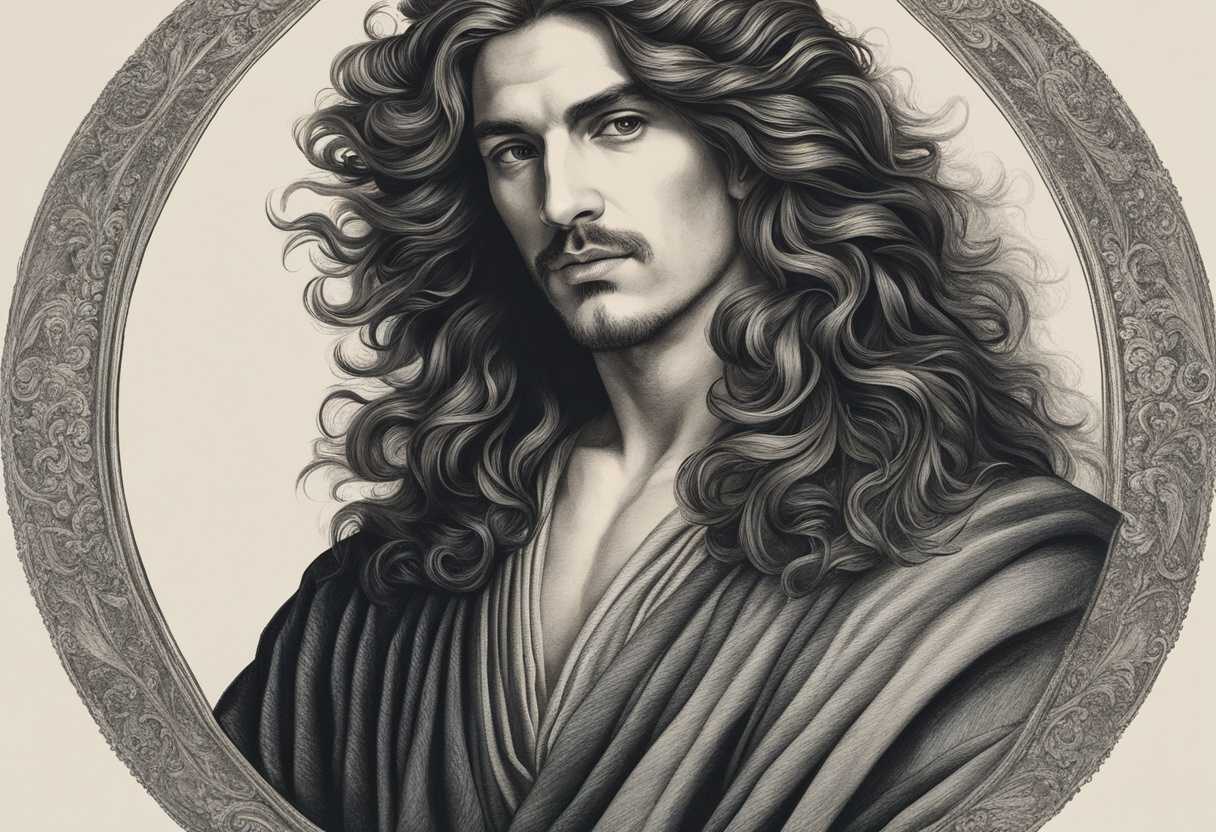
14 Does not nature itself teach you that if a man wears long hair it is a disgrace for him,
Setting the Scene for 1 Corinthians 11:14
In the bustling city of Corinth, a group of early Christians has gathered in a large, dimly lit room for a communal meal. The room is adorned with simple wooden tables and benches, with flickering oil lamps casting a warm glow over the scene. The air is filled with the aroma of freshly baked bread and roasted meat, as the believers eagerly anticipate breaking bread together in fellowship.
Among the group are men and women from various backgrounds, united in their faith in Christ. They have come together to share in the Lord’s Supper, a sacred tradition passed down from the teachings of Jesus himself. As they sit around the tables, their faces reflect a mix of reverence and joy, grateful for the opportunity to partake in this symbolic meal that reminds them of Christ’s sacrifice for their sins.
As the meal progresses, the apostle Paul stands to address the group, his voice commanding attention as he imparts wisdom and guidance. He speaks of the importance of maintaining order and respect during their gatherings, reminding them of the cultural norms of the time. In his letter to the Corinthians, he emphasizes the need for men and women to conduct themselves appropriately, each honoring their respective roles in the community and in worship. The believers listen intently, eager to learn and grow in their understanding of how to live out their faith in a way that pleases God.
What is 1 Corinthians 11:14 about?
This verse may suggest that there is a specific societal or cultural expectation regarding hair length, especially for men. It may reflect the idea that certain physical attributes or appearances are considered more appropriate, natural, or honorable, according to the beliefs of the time when the verse was written. The mention of dishonoring God could imply that deviating from these societal norms or cultural standards of appearance is seen as disrespectful or disobedient to religious beliefs.
Furthermore, when examining this verse, it’s important to consider the historical context and cultural norms of the time in which it was written. Certain religious or cultural beliefs may have influenced the idea that long hair on men was viewed as unnatural or dishonorable. This verse may also indicate a desire for conformity and adherence to traditional norms within a particular religious or social community.
Reflecting on this verse may prompt us to question our own beliefs and biases about gender expression and physical appearance. Does hair length truly impact one’s honor or relationship with a higher power? How do traditional standards of appearance influence our perceptions of others? We can strive to foster a more inclusive and accepting society that values individual expression and authenticity by critically examining these ideas.
Understanding what 1 Corinthians 11:14 really means
In the letter to the Corinthians, Paul addresses various issues concerning worship and conduct within the church, including the verse in question, 1 Corinthians 11:14. This verse is part of a larger discussion where Paul delves into the topic of head coverings and gender roles within the church community. Understanding the cultural and historical context of this verse is crucial to grasping its significance. Paul, known for using rhetorical questions to drive his points home, employs this technique here as well.
When Paul mentions “nature itself” in 1 Corinthians 11:14, he appeals to a sense of natural order or common sense that would have been readily understood by his audience. This appeal to nature ties into the broader biblical theme of creation and natural law, as evidenced in passages like Romans 1:20. Furthermore, the term “disgrace” used by Paul reflects the cultural understanding of honor and shame prevalent in the ancient world, where social behavior was heavily influenced by these concepts. This notion of honor and shame is also echoed in other biblical passages, such as Proverbs 3:35.
To gain a fuller understanding of Paul’s discussion on head coverings and gender roles, it is beneficial to look at the surrounding verses in 1 Corinthians 11:3-16. Additionally, referencing Genesis 1:27 highlights the creation of man and woman with inherent differences and roles assigned by God. Balancing this discussion, Galatians 3:28 emphasizes the equality found in Christ, transcending societal distinctions. While cultural norms and perceptions of honor and shame have evolved over time, they still hold relevance in contemporary society.
In a modern context, respecting cultural norms and practices remains essential for maintaining harmony within diverse communities. For instance, in a multicultural church setting, understanding and appreciating different cultural expressions of worship can foster unity and mutual respect. By sharing stories like these, we can see the practical implications of biblical principles in today’s world. Ultimately, understanding the cultural context of biblical teachings is crucial for applying them wisely in our own cultural and social contexts. As we navigate the complexities of our modern society, let us seek wisdom in interpreting and living out the timeless truths found in Scripture.
How does our outward appearance reflect our spiritual beliefs?
The outward appearance can be seen as a reflection of our spiritual beliefs. For many individuals, the way we present ourselves physically can indicate our inner values and beliefs. Our external appearance in the context of the verse referenced can display respect and honor for our spiritual convictions. We showcase our commitment and reverence to our faith by adhering to certain cultural or religious practices regarding attire or grooming. Our outward appearance serves as a visible representation of our spiritual identity in this regard. It can illustrate our dedication to our beliefs and our willingness to adhere to the guidelines set forth by our faith tradition. We communicate our internal convictions and values to others by displaying modesty, humility, or specific cultural symbols through our appearance. Our physical presentation can ultimately be a powerful tool for expressing and living out our spiritual beliefs in a tangible way for both ourselves and those around us.
Application
Reflect on 1 Corinthians 11:14 and remember to embrace your true self with gratitude and humility. Don’t let the pressures of work, social media, and societal norms change who you are. Celebrate the unique traits that make you a special creation of God. In a world where everything shifts and challenges our identity, stand firm in the truth of who you are. Will you be brave enough to live authentically and embrace your individuality in God’s love?

Reverend Michael Johnson is an experienced Church Minister with a profound expertise in spirituality and guidance. With a serene presence and a compassionate heart, he has faithfully served his congregation for over 20 years, leading them on a spiritual journey towards inner peace and enlightenment. Reverend Johnson’s extensive knowledge of religious philosophies and profound understanding of human nature have made him a trusted confidant and mentor to many, as he seamlessly weaves his profound wisdom into life teachings. Reverend Johnson’s calming demeanor and empathetic nature continue to uplift and heal souls, nurturing a sense of unity and tranquility within his community.