
1 Corinthians 9:20 is about the apostle Paul’s approach of adapting to different cultural practices and beliefs in order to effectively spread the message of Christ to diverse audiences.
20 To the Jews I became as a Jew, in order to win Jews. To those under the law I became as one under the law (though not being myself under the law) that I might win those under the law.
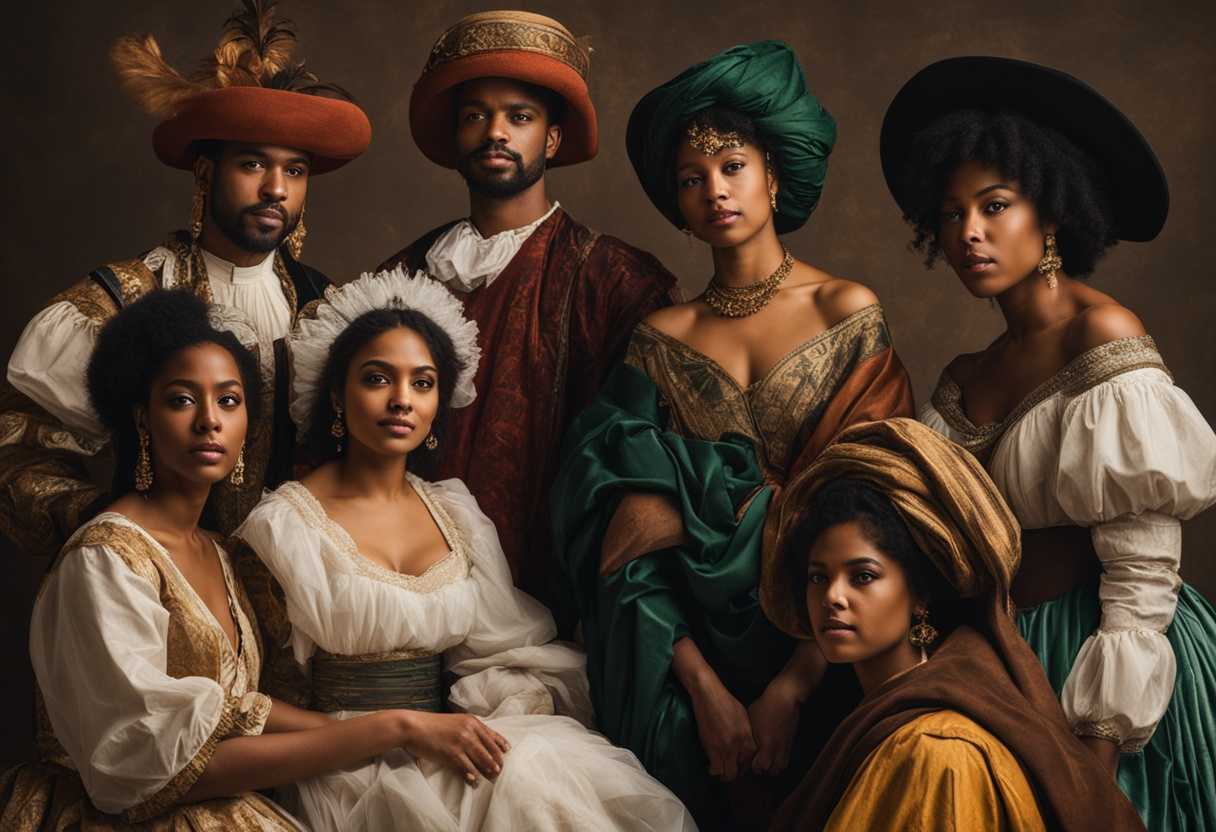
Setting the Scene for 1 Corinthians 9:20
In 1 Corinthians chapter 9, the apostle Paul finds himself in the bustling city of Corinth, known for its diverse population and vibrant marketplace. As he walks through the crowded streets, he encounters a group of Jewish merchants who have set up their stalls to sell their wares. Among them is a young man named Timothy, who has been accompanying Paul on his missionary journeys.
Paul stops to engage in conversation with the merchants, sharing with them his experiences preaching the gospel to different cultures and peoples. He explains his approach of becoming like the people he is trying to reach, whether Jew or Gentile, in order to effectively communicate the message of Christ. The merchants listen intently, intrigued by Paul’s words and the passion with which he speaks.
As the sun begins to set over the city, Paul and Timothy continue their journey through Corinth, reflecting on the day’s encounters and the importance of adapting their methods to reach a diverse audience with the timeless message of salvation. The scene captures the essence of Paul’s mission to spread the gospel to all people, regardless of their background or beliefs, embodying the spirit of love and inclusivity that is central to the teachings of Jesus Christ.
What is 1 Corinthians 9:20 about?
The apostle Paul is expressing his profound dedication to spreading the message of Jesus Christ in this verse. He is stating that he is willing to adapt and relate to others in various ways in order to connect with them and share the gospel effectively. This verse highlights Paul’s deep commitment to meeting people where they are, understanding their perspectives, and building meaningful relationships with them in order to bring them closer to Christ.
Paul’s words challenge us to reflect on our own approach to sharing our faith. Are we open to understanding others’ viewpoints? Are we willing to step out of our comfort zone and adapt our communication style to effectively reach different audiences? We can become more compassionate, relatable, and effective in sharing the message of Christ with others by embodying the principle of becoming all things to all people. It encourages us to build bridges rather than barriers, to listen and learn from those around us, and to lead with empathy and love in our interactions with others.
Understanding what 1 Corinthians 9:20 really means
Structure for Commentary:
1. Introduction and Context
2. Explanation of Key Phrases
3. Relevant Cross-References
4. Relevance to Modern Life
5. Reflective Anecdote
6. The Apostle Paul is discussing his approach to ministry and how he adapts to different audiences to spread the Gospel effectively in 1 Corinthians 9:20. This passage is part of a larger discourse where Paul explains his rights as an apostle and his willingness to forego those rights for the sake of winning more souls to Christ. Understanding this context is crucial as it sets the stage for the deeper significance of Paul’s actions and motivations.
Explanation of Key Phrases:
Paul mentions becoming “like one under the law” to win those who are under the law. This phrase underscores his strategic adaptability. Paul is not saying he literally becomes someone else but that he empathizes and understands the perspectives of those he ministers to. This adaptability is not deceitful; rather, it’s a compassionate approach to meet people where they are.
Relevant Cross-References:
Look at Acts 16:3, where Paul circumcises Timothy to avoid offending the Jews they were evangelizing. This shows his commitment to removing barriers that might hinder the message of Christ. Similarly, in Galatians 2:11-14, Paul confronts Peter for withdrawing from Gentile believers out of fear of criticism from Jewish Christians. These instances highlight Paul’s flexibility and his ultimate goal: unity in Christ and effective ministry.
Relevance to Modern Life:
Today, the principle of adaptability is incredibly relevant. We live in a diverse world where cultural, social, and personal differences abound. We too must find ways to connect with others without compromising our core beliefs, just as Paul adapted to different groups. This adaptability can manifest in simple ways, such as learning about and respecting different cultures or listening empathetically to those with different viewpoints. Sarah, a young woman passionate about sharing her faith, finds herself in a secular university where religious beliefs are often met with skepticism. Instead of retreating or becoming confrontational, she joins various campus groups and genuinely engages with people of different backgrounds. She builds trust and finds opportunities to share her faith in a way that resonates with her peers by doing so. Sarah embodies Paul’s principle of becoming “like one under the law” to win over those who are under the law.
Conclusion and Call to Action:
Paul’s approach teaches us the importance of empathy and adaptability in ministry and everyday life. Let’s strive to genuinely understand and connect with those around us as we go about our lives. Ask yourself, how can you adapt your approach to better share the love and message of Christ in your unique context? Remember to meet people where they are to bring them closer to where Christ is, not compromising the Gospel.
This thoughtful engagement not only honors the spirit of Paul’s ministry but also paves the way for meaningful, transformative relationships.
Do we adapt to different beliefs for the Gospel?
Paul’s approach to sharing the Gospel with different groups of people is the subject of 1 Corinthians 9:20. Paul mentions that he becomes like the Jews to win the Jews, like those under the law to win those under the law, and like those without the law to win those without the law. This illustrates Paul’s adaptability in presenting the Gospel in a way that his audience can relate to and understand. Paul demonstrates the importance of being culturally sensitive and understanding in our evangelism efforts by adopting different approaches to sharing the Gospel based on the beliefs and background of his audience. This verse teaches us to be flexible and open-minded in our approach to sharing the message of Christ, recognizing that different people may require different avenues to truly grasp the truth of the Gospel. The verse from 1 Corinthians 9:20 ultimately challenges us to be intentional in our communication of the Gospel, willing to adapt our methods and delivery to effectively reach a diverse audience. It emphasizes the need to meet people where they are at, speaking to them in a language and manner that resonates with their own experiences and beliefs.
Application
Imagine your life as a busy intersection. To truly connect with your co-workers, neighbors, and loved ones, you need to adapt your route. Just like Paul met others on their terms, it’s on you to step into their world. How will you shift your approach today to guide someone towards hope and purpose?

Reverend Michael Johnson is an experienced Church Minister with a profound expertise in spirituality and guidance. With a serene presence and a compassionate heart, he has faithfully served his congregation for over 20 years, leading them on a spiritual journey towards inner peace and enlightenment. Reverend Johnson’s extensive knowledge of religious philosophies and profound understanding of human nature have made him a trusted confidant and mentor to many, as he seamlessly weaves his profound wisdom into life teachings. Reverend Johnson’s calming demeanor and empathetic nature continue to uplift and heal souls, nurturing a sense of unity and tranquility within his community.