
1 John 1:11 is about the rejection of Jesus Christ by those who choose to walk in darkness and deny the truth of His teachings.
11 And this is the testimony, that God gave us eternal life, and this life is in his Son.
Setting the Scene for 1 John 1:11
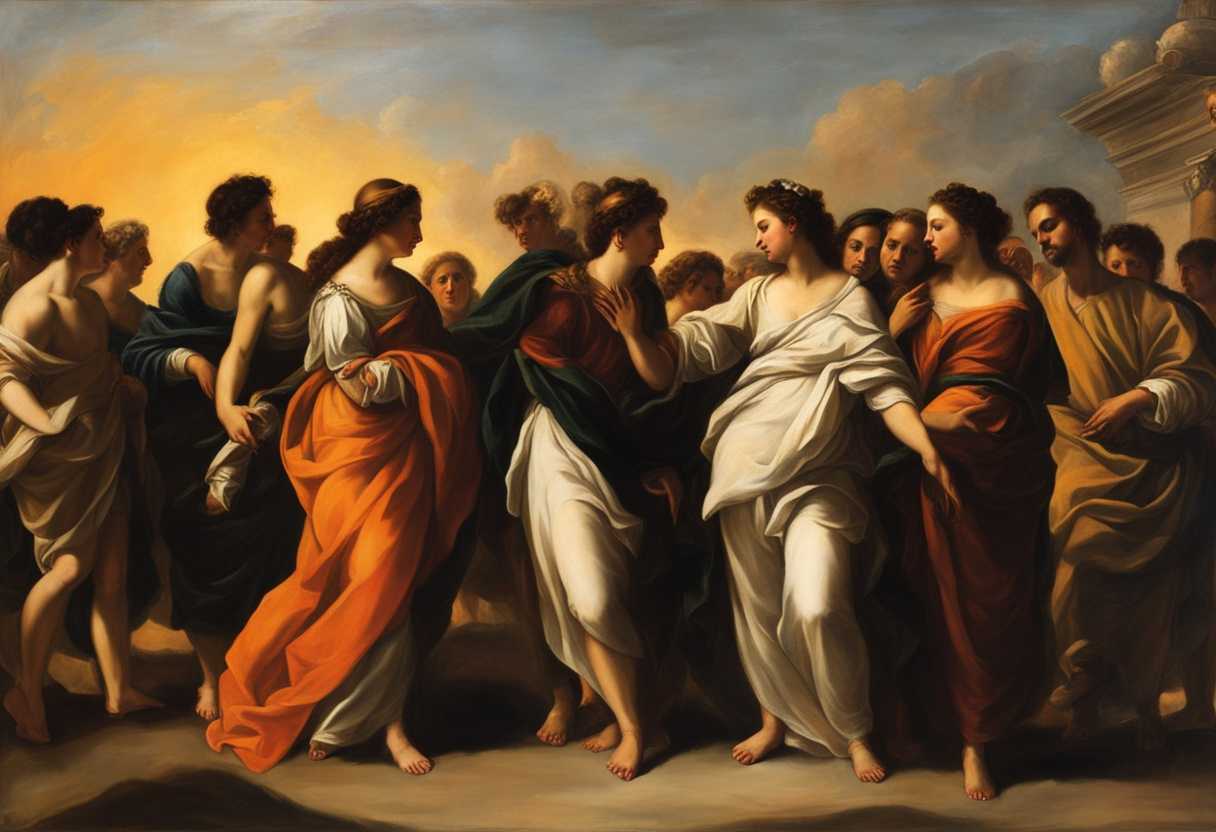
In 1 John chapter 1, the scene is set in a small, dimly lit room in the city of Ephesus. The room is filled with a group of believers who have gathered together for a bible study session. The flickering light of the oil lamps casts a warm glow on the faces of those present, creating an atmosphere of intimacy and camaraderie.
Among the group are several prominent figures in the early Christian community, including the apostle John himself, who is leading the discussion. Also present are Mary, a devoted follower of Jesus, and a few other disciples who have traveled from different regions to be part of this gathering. The room is filled with a sense of anticipation as they eagerly listen to John’s words, eager to deepen their understanding of the teachings of Jesus.
As John speaks, his words resonate with authority and wisdom, drawing the listeners in as he shares about the importance of fellowship and walking in the light of God’s truth. The group is engaged and attentive, hanging on to every word as they seek to grow in their faith and deepen their relationship with God. The room is filled with a sense of unity and purpose as they come together to study and learn from one another, guided by the timeless truths found in the scriptures.
What is 1 John 1:11 about?
This verse emphasizes the profound connection between Jesus, light, and truth. Jesus brings clarity, guidance, and understanding to our lives, just as light dispels darkness. When we reject Jesus, we are essentially turning away from this illuminating presence. Imagine being in a dark room and someone offering to turn on the light, but you refuse. Similarly, when we reject Jesus, we are choosing to remain in darkness and ignorance. We are also missing out on the opportunity to embrace the ultimate truth and wisdom that He embodies by rejecting Jesus. Jesus is the embodiment of truth and wisdom, and by turning away from Him, we are closing ourselves off from the source of all knowledge and enlightenment. It’s like turning down a chance to learn from the greatest teacher of all time. This verse ultimately challenges us to consider the consequences of rejecting Jesus. Are we willing to forego the light and truth He offers? Are we willing to remain in darkness and ignorance? We open ourselves up to a world of understanding, clarity, and eternal guidance by accepting Jesus.
Understanding what 1 John 1:11 really means
To provide a structured and insightful commentary on 1 John 1:11, let’s break it down into several key sections: Context, Meaning of Key Phrases, Connection to Other Scriptures, Relevance Today, and a Reflective Anecdote.
Context:
Understanding the context of this verse is crucial. The First Epistle of John is a letter written by the Apostle John to early Christians. It emphasizes the importance of fellowship with God and one another, living in the light, and the assurance of eternal life through Jesus Christ. This particular verse is nestled in a passage that discusses walking in the light versus walking in darkness. John speaks about the light and darkness metaphorically in this verse. “Walking in the light” refers to living according to God’s truth and commandments, while “walking in darkness” signifies living in sin and ignorance of God’s truth. The phrase “we have fellowship with one another” implies a communal aspect of faith that thrives in truth and transparency. The essence here is that true fellowship with God and others is only possible when we live in the light.
Connection to Other Scriptures:
This theme of light and darkness is consistent throughout the Bible. Jesus declares in John 8:12, “I am the light of the world.” Whoever follows me will never walk in darkness, but will have the light of life.” This highlights the transformative power of living in Christ. Additionally, Ephesians 5:8 urges believers to “live as children of light,” reinforcing the idea that our actions and lives should reflect God’s truth and love.
Relevance Today:
Why is this relevant to us today? This verse calls us back to the foundational truth of living in accordance with God’s word in an age where moral relativism and personal truth often overshadow absolute truths. It challenges us to examine our lives, relationships, and communities to see if we are truly walking in the light or if we are succumbing to the darkness of sin and falsehood. David, a man who struggled with addiction, is the subject of the story. For years, he lived in darkness, hiding his struggles and isolating himself from meaningful relationships. When he finally sought help and began attending a church fellowship, he found a community that walked in the light. Their transparency, love, and adherence to God’s truth helped him step out of darkness and into a transformative relationship with Christ. This new fellowship with God and others provided him the support he needed to overcome his addiction and live a life of purpose. Ask yourself in reflecting on this verse: Am I walking in darkness in any areas of my life? How can I step into the light and foster genuine fellowship with God and others? Living in the light enriches and strengthens our faith together, not just as a personal journey but as a communal one.
How can we practice humility and strive for unity?
We can practice humility by acknowledging our own faults and shortcomings before God and others, recognizing that we are not perfect and in need of His grace and mercy. Humility involves putting aside our pride and ego, being open to feedback and correction, and treating others with kindness and respect. Humbling ourselves before God allows us to grow in our faith and develop a deeper reliance on Him. We can focus on what unites us rather than what divides us in striving for unity. This means setting aside differences, extending grace and forgiveness, and working towards a common goal of love and peace. Unity is not about uniformity or everyone agreeing on everything, but rather about coming together in spite of our differences to build a community that reflects God’s love and truth. We can create a harmonious and supportive environment where all individuals feel valued and included by prioritizing unity.
Application
Think of 1 John 1:11 as a call to action in your busy world. Just as you share important updates with loved ones, share the message of salvation. Reflect on your role: Are you keeping this vital news to yourself? Spread the good news of Jesus Christ boldly and lovingly, much like sharing a crucial work email or a family milestone. Your faith should be a beacon, drawing others to seek the truth. Are you ready to live out your faith and make that difference today?

Reverend Michael Johnson is an experienced Church Minister with a profound expertise in spirituality and guidance. With a serene presence and a compassionate heart, he has faithfully served his congregation for over 20 years, leading them on a spiritual journey towards inner peace and enlightenment. Reverend Johnson’s extensive knowledge of religious philosophies and profound understanding of human nature have made him a trusted confidant and mentor to many, as he seamlessly weaves his profound wisdom into life teachings. Reverend Johnson’s calming demeanor and empathetic nature continue to uplift and heal souls, nurturing a sense of unity and tranquility within his community.