
1 And Samuel said to all Israel, “Behold, I have obeyed your voice in all that you have said to me and have made a king over you.
2 Now, here is the king walking before you, and I am old and gray; and behold, my sons are with you. I have walked before you from my youth until this day.
3 Here I am; testify against me before the Lord and before his anointed. Whose ox have I taken? Or whose donkey have I taken? Or whom have I defrauded? Whom have I oppressed? Or from whose hand have I taken a bribe to blind my eyes with it? Testify against me and I will restore it to you.”
4 And they said, “You have not defrauded us or oppressed us or taken anything from any man’s hand.”
5 And he said to them, “The Lord is witness against you, and his anointed is witness this day, that you have not found anything in my hand.” And they said, “He is witness.”
6 And Samuel said to the people, “The Lord is witness, who appointed Moses and Aaron and brought your fathers up out of the land of Egypt.
7 Now therefore stand still that I may plead with you before the Lord concerning all the righteous deeds of the Lord that he performed for you and for your fathers.
8 When Jacob went into Egypt, and the Egyptians oppressed them, then your fathers cried out to the Lord and the Lord sent Moses and Aaron, who brought your fathers out of Egypt and made them dwell in this place.
9 But they forgot the Lord their God. And he sold them into the hand of Sisera, commander of the army of Hazor, and into the hand of the Philistines, and into the hand of the king of Moab. And they fought against them.
10 And they cried out to the Lord and said, ‘We have sinned, because we have forsaken the Lord and have served the Baals and the Ashtaroth. But now deliver us out of the hand of our enemies, that we may serve you.’
11 And the Lord sent Jerubbaal and Barak and Jephthah and Samuel and delivered you out of the hand of your enemies on every side, and you lived in safety.
12 And when you saw that Nahash the king of the Ammonites came against you, you said to me, ‘No, but a king shall reign over us,’ when the Lord your God was your king.
13 And now behold the king whom you have chosen, for whom you have asked; behold, the Lord has set a king over you.
14 If you will fear the Lord and serve him and obey his voice and not rebel against the commandment of the Lord, and if both you and the king who reigns over you will follow the Lord your God, it will be well.
15 But if you will not obey the voice of the Lord, but rebel against the commandment of the Lord, then the hand of the Lord will be against you and your king.
16 Now therefore stand still and see this great thing that the Lord will do before your eyes.
17 Is it not wheat harvest today? I will call upon the Lord to send thunder and rain, and you shall know and see that your wickedness is great, which you have done in the sight of the Lord, in asking for yourselves a king.”
18 So Samuel called upon the Lord, and the Lord sent thunder and rain that day, and all the people greatly feared the Lord and Samuel.
19 And all the people said to Samuel, “Pray for your servants to the Lord your God, that we may not die, for we have added to all our sins this evil, to ask for ourselves a king.”
20 And Samuel said to the people, “Do not be afraid; you have done all this evil. Yet do not turn aside from following the Lord, but serve the Lord with all your heart.
21 And do not turn aside after empty things that cannot profit or deliver, for they are empty.
22 For the Lord will not forsake his people, for his great name’s sake, because it has pleased the Lord to make you a people for himself.
23 Moreover, as for me, far be it from me that I should sin against the Lord by ceasing to pray for you, and I will instruct you in the good and the right way.
24 Only fear the Lord and serve him faithfully with all your heart. For consider what great things he has done for you.
25 But if you still do wickedly, you shall be swept away, both you and your king.”
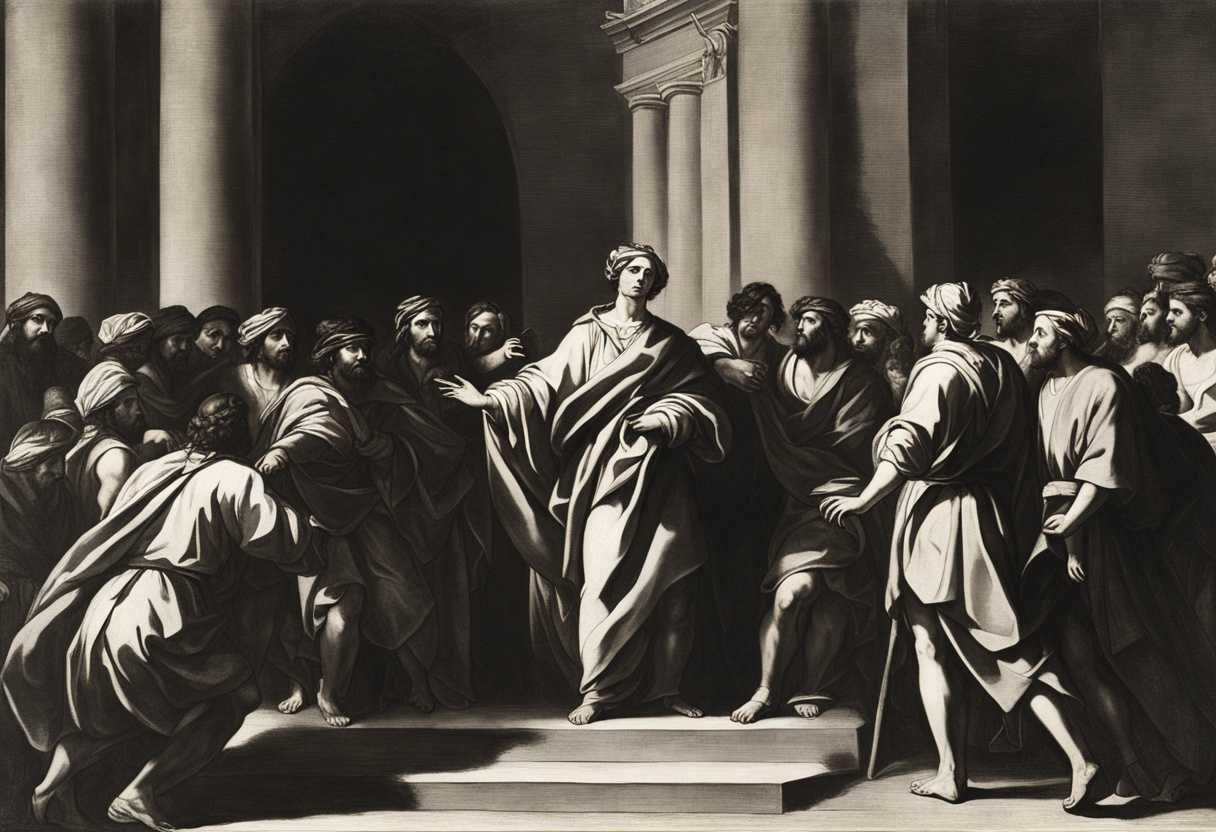
The True Meaning of 1 Samuel 12
The book of 1 Samuel was written by the prophet Samuel, who played a crucial role in the transition of Israel from a loose confederation of tribes to a unified monarchy. Samuel addresses the people of Israel as they have just crowned Saul as their first king, marking a significant shift in their history in this chapter. Samuel reflects on his own leadership and the people’s demand for a king in this passage. He reminds them of God’s faithfulness and warns them about the consequences of disobedience. The chapter foreshadows the challenges that Saul will face as the new king, as well as the eventual rise of David, who will become the greatest king in Israel’s history.
Throughout the chapter, Samuel draws upon other important biblical events, such as the Exodus and the period of the Judges, to provide context and perspective for the people. He reminds them of God’s deliverance in the past and cautions them against forsaking the Lord in their pursuit of earthly leadership.
1 Samuel 12:1-5
Samuel addresses the Israelites in 1 Samuel 12:1-5 as they ask for a king to rule over them rather than being judged by the judges that God had appointed. Samuel, who had been a faithful and wise leader for Israel, takes this moment to defend his integrity and remind the people of his faithful service to God and them. He asks the people if he has taken anything wrongfully from them or oppressed them in any way, to which they respond that he has not. This conversation sets the stage for Samuel to then point out their ingratitude in asking for a king, despite God being their true king. Samuel is appealing to his impeccable character and moral standing as he prepares to challenge the people’s choice for a human king over God’s divine rule.
This passage highlights the importance of integrity and faithfulness in leadership. Samuel’s exemplary character serves as a model for leaders, reminding them of the necessity to lead with honesty and righteousness. It also serves as a cautionary tale for the Israelites, as their desire for a king reflects their wavering faith in God’s sovereignty. They risk abandoning the true essence of their faith in God by clinging to worldly desires and institutions. This theme of faithful leadership and divine kingship resonates throughout the Bible, notably in the story of King David, who was chosen by God to lead His people despite not being the most obvious choice in human terms (1 Samuel 16:1-13). Samuel’s questioning of the people about his conduct echoes the idea of accountability and transparency in leadership. Leaders are called to be accountable to those they serve, just as Samuel was willing to be scrutinized by the Israelites. This notion aligns with biblical teachings emphasizing the importance of humility and serving others selflessly, as demonstrated by Jesus when he washed his disciples’ feet (John 13:1-17). This passage in 1 Samuel 12:1-5 serves as a pivotal moment in the transition of Israel from the era of judges to the monarchy. It underscores the complexities and challenges that come with spiritual and political leadership, while also emphasizing the enduring values of integrity, accountability, and faith in God’s ultimate kingship.
1 Samuel 12:6-12
Samuel, the prophet and judge of Israel, primarily revolves around addressing the people of Israel in the aftermath of them demanding a king in 1 Samuel 12:6-12. The section can be broken down into Samuel’s self-reflection on his leadership and his challenge to the Israelites to recognize their wrongdoing and turn back to the Lord.
Samuel begins by acknowledging his faithful service to the people, highlighting that he has always been upright in his leadership and has never taken anything from the people. This declaration sets the stage for Samuel to deliver a message of rebuke and correction to the Israelites. He points out that the people have been unfaithful to God by asking for a king to rule over them, highlighting their desire to be like other nations rather than trusting in God’s guidance through the judges.
Samuel then presents a historical review of the relationship between God and the people of Israel, recounting the various times when God delivered them from their enemies and sent judges to lead them. He emphasizes how God has been consistent in His faithfulness towards them, even when they turned away from Him.
This section serves as a reminder of the importance of obedience and faithfulness to God. It showcases the recurring theme in the Bible of God’s faithfulness to His people despite their shortcomings and unfaithfulness. The Israelites’ desire for a king stemmed from a lack of trust in God’s sovereignty, a recurring issue throughout the Old Testament.
Through Samuel’s words, the Israelites are urged to acknowledge their mistake in asking for a king and to return to serving and obeying God wholeheartedly. This call to repentance underscores the importance of humility, repentance, and seeking forgiveness in the Christian faith. This passage serves as a poignant reminder of the consequences of forsaking God’s guidance and seeking worldly alternatives. It emphasizes the need for humility, repentance, and a steadfast commitment to following God’s will in our lives. The story of Samuel and the Israelites’ demand for a king serves as a cautionary tale for believers about the dangers of straying from God’s plan and seeking fulfillment in worldly desires.
1 Samuel 12:13-18
The prophet Samuel addresses the people of Israel in 1 Samuel 12:13-18 after they demanded a king to rule over them instead of being led by judges. This transition marked a pivotal moment in Israel’s history as they were moving from a theocracy, where God directly ruled over them through judges and prophets, to a monarchy where they would have a human king. Samuel, as a faithful servant of God, understood the implications of this shift and wanted to remind the people of their relationship with God. Samuel first asks the people to witness against him before the Lord if he has wronged anyone or taken anything unjustly in this passage. This shows Samuel’s integrity and highlights his role as a just and honest leader. Samuel sets an example of transparency and righteousness by clearing his name before the people, emphasizing the importance of leaders being accountable to those they serve.
Samuel then recounts the history of Israel, reminding the people of God’s faithfulness and their own unfaithfulness. He recalls God’s miraculous deeds in delivering them from slavery in Egypt and guiding them through the wilderness to the Promised Land. Samuel underscores God’s continuous care and protection over Israel despite their disobedience and idolatry. This serves as a lesson for the Israelites to remember God’s faithfulness in times of both blessings and trials.
Furthermore, Samuel warns the people of the consequences of turning away from God and following worldly desires. He describes the judgment that will come upon them if they and their king do not obey the Lord and serve Him faithfully. This serves as a reminder that true prosperity and success come from aligning oneself with God’s will and following His commandments. The choice of a king should not lead them away from God but should instead draw them closer to Him through obedience and wholehearted devotion. We can draw timeless lessons about leadership, obedience, and the consequences of straying from God’s path in reflecting on this passage. Samuel’s commitment to righteousness and accountability serves as a model for leaders in any era. The narrative of Israel’s history demonstrates God’s enduring faithfulness despite human failings, underscoring the importance of repentance and returning to God in times of waywardness. 1 Samuel 12:13-18 challenges us to reflect on our own relationship with God, reminding us of the importance of staying faithful to Him, seeking forgiveness when we err, and being vigilant in aligning our actions with His will.
1 Samuel 12:19-25
Israel begs Samuel for his intercession on their behalf with the Lord in a crucial moment in the history of Israel as witnessed in 1 Samuel 12:19-25. This passage reflects the transition from the time of the judges to the monarchy with the anointing of Saul as king. It also exemplifies the theme of repentance and forgiveness, as the people confess their sin in asking for a king, acknowledging that they have turned away from the Lord.
Starting with verse 19, the people express their fear and recognize their wrongdoing in asking for a king to lead them instead of relying on God. Samuel responds by reassuring them that although they have sinned, they should not turn away from the Lord but serve Him with all their hearts. This shows the importance of acknowledging our sins, seeking forgiveness, and turning back to God in repentance. It also highlights the significance of sincere confession and the willingness to make amends.
Verse 22 contains a powerful statement from Samuel: “For the Lord will not forsake His people, for His great name’s sake, because it has pleased the Lord to make you His people.” This verse underscores the faithfulness of God to His people even when they fall short. Despite their flaws and failures, God remains committed to His chosen ones, demonstrating His mercy and grace. This message resonates throughout the Bible, emphasizing God’s unconditional love and His desire for a personal relationship with His people. Samuel reaffirms his commitment to pray for the people and instructs them on the importance of following the Lord and serving Him faithfully in verses 23-25. He warns them of the consequences of turning away from God and assures them that both he and God will be displeased if they do not obey. This serves as a call to obedience and a reminder of the importance of staying faithful to God’s commands.
The narrative in 1 Samuel 12 sets the stage for the reign of King Saul and ultimately leads to the rise of King David. It highlights the need for humility, repentance, and reliance on God in times of transition or difficulty. The people’s plea for Samuel’s prayers reflects their acknowledgment of their dependence on God’s guidance and the importance of seeking His will above their own. 1 Samuel 12:19-25 provides timeless lessons on repentance, forgiveness, and obedience. It reminds us of God’s faithfulness, mercy, and the importance of staying faithful to Him. Through the narrative of Israel’s repentance and Samuel’s intercession, we are encouraged to examine our own hearts, confess our sins, and seek reconciliation with God.
After 1 Samuel 12
The people had demanded a king, and God had granted their request. Yet, as the prophet Samuel made clear, the people had not rejected him, but rather the Lord himself. Though they had a new king, they were still accountable to the Almighty. The people would learn in the days to come that their obedience to God’s commands would determine the fate of their kingdom. The path ahead would not be an easy one, for the consequences of their choices would reverberate through the generations. The people at this crossroads would need to heed the words of the prophet, lest they stray from the righteous way.

Reverend Michael Johnson is an experienced Church Minister with a profound expertise in spirituality and guidance. With a serene presence and a compassionate heart, he has faithfully served his congregation for over 20 years, leading them on a spiritual journey towards inner peace and enlightenment. Reverend Johnson’s extensive knowledge of religious philosophies and profound understanding of human nature have made him a trusted confidant and mentor to many, as he seamlessly weaves his profound wisdom into life teachings. Reverend Johnson’s calming demeanor and empathetic nature continue to uplift and heal souls, nurturing a sense of unity and tranquility within his community.