
1 Paul, Silvanus, and Timothy, To the church of the Thessalonians in God the Father and the Lord Jesus Christ: Grace to you and peace.
2 We give thanks to God always for all of you, constantly mentioning you in our prayers,
3 remembering before our God and Father your work of faith and labor of love and steadfastness of hope in our Lord Jesus Christ.
4 For we know, brothers loved by God, that he has chosen you,
5 because our gospel came to you not only in word, but also in power and in the Holy Spirit and with full conviction.
6 And you became imitators of us and of the Lord, for you received the word in much affliction, with the joy of the Holy Spirit,
7 so that you became an example to all the believers in Macedonia and in Achaia.
8 For not only has the word of the Lord sounded forth from you in Macedonia and Achaia, but your faith in God has gone forth everywhere, so that we need not say anything.
9 For they themselves report concerning us the kind of reception we had among you, and how you turned to God from idols to serve the living and true God,
10 and to wait for his Son from heaven, whom he raised from the dead, Jesus who delivers us from the wrath to come.
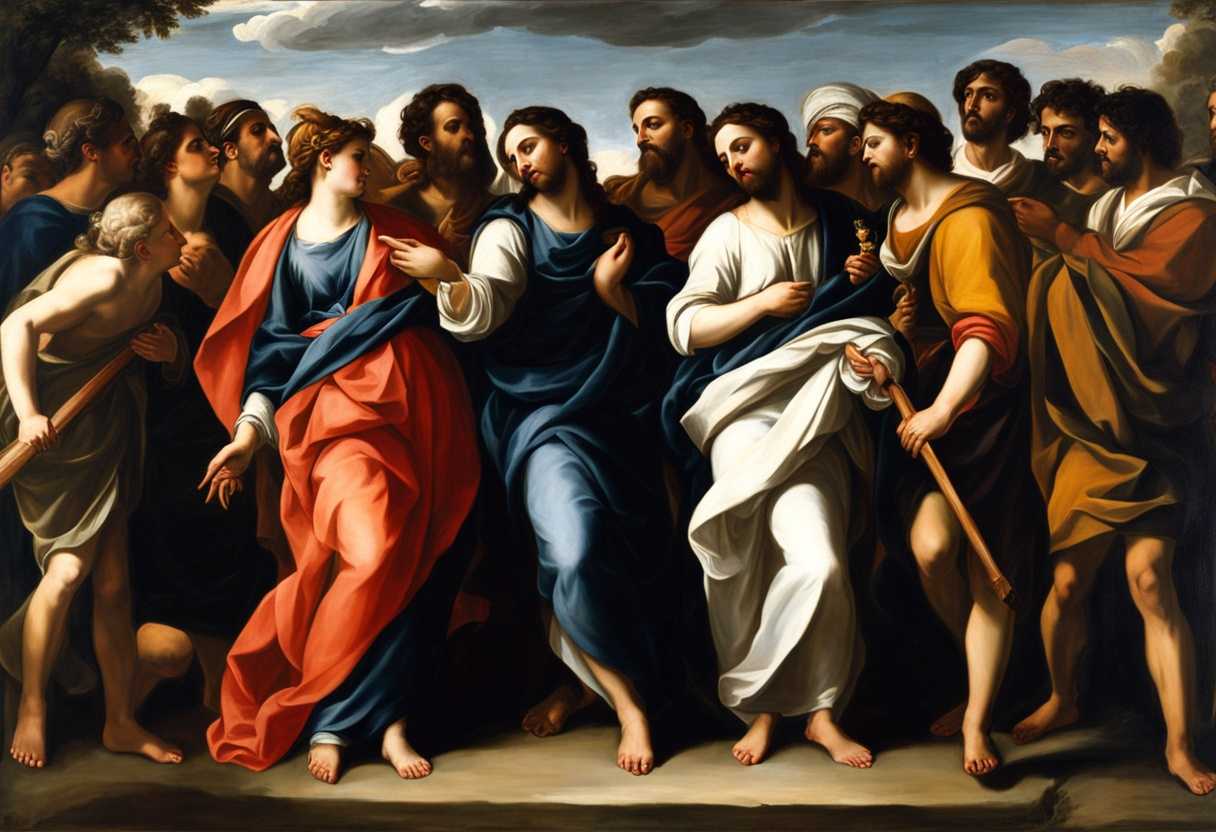
The True Meaning of 1 Thessalonians 1
The First Epistle to the Thessalonians is believed to have been written by the apostle Paul, a former persecutor of the early Christian church who experienced a dramatic conversion and became one of the most influential figures in the spread of Christianity. Paul addresses the church he established in the city of Thessalonica in this letter, offering encouragement and guidance as they navigate the challenges of their newfound faith.
This chapter sets the tone for the epistle, highlighting the faith, love, and perseverance of the Thessalonian believers. Paul commends them for their steadfast commitment to the gospel, even in the face of persecution, and reminds them of the power of the Holy Spirit at work in their lives. The chapter also foreshadows the important events to come, as Paul prepares to address specific concerns and provide practical instruction for the growing church.
Throughout the passage, Paul draws upon his own experiences and the teachings of Jesus, as seen in his references to the “word of the Lord” (1 Thessalonians 1:8) and the “coming of our Lord Jesus Christ” (1 Thessalonians 1:10). These themes echo the teachings found in the Gospels and the broader message of salvation and redemption that is central to the Christian faith.
1 Thessalonians 1:1-3
Paul, Silvanus, and Timothy greet the church in Thessalonica with a heartfelt introduction in the opening verses of 1 Thessalonians. Paul, being a prominent figure in the early Christian church, is writing to a group of believers whom he deeply cares for. Silvanus and Timothy are also mentioned, emphasizing the unity and team effort within the ministry; they were colleagues who worked alongside Paul in spreading the Gospel.
The mention of God the Father and the Lord Jesus Christ in this opening salutation is significant. It sets the tone for the entire letter by establishing the ultimate authority and focus of their message. Paul underscores the central role of divine grace in the lives of believers by identifying God and Jesus Christ as the ones from whom grace and peace are bestowed upon them. This recognition of grace highlights the unmerited favor and love that God bestows upon humanity through the sacrifice of Jesus Christ, ultimately leading to peace with God.
The reference to the Thessalonians’ “work of faith, labor of love, and steadfastness of hope in our Lord Jesus Christ” is particularly noteworthy. Here, Paul commends the Thessalonian believers for their active expression of faith, love, and hope. Their faith was not just a passive belief but was demonstrated through their actions and deeds. Their love was not just a feeling but was exhibited through their sacrificial service and care for others. Their hope was not fleeting but was anchored in the promises of Jesus Christ, providing them with endurance in the face of trials. Paul sets an example for all believers to follow by praising the Thessalonians for these qualities. The intertwining of faith, love, and hope emphasizes the interconnectedness of these virtues in the life of a Christian. Just as the Thessalonians were commended for their active faith, sacrificial love, and unwavering hope, Christians today are called to embody these same virtues in their walk with Christ.
This emphasis on faith, love, and hope echoes throughout the New Testament and is exemplified in the greatest commandment given by Jesus himself: to love God with all our heart, soul, and mind, and to love our neighbors as ourselves. Believers align themselves with the teachings of Christ and experience the transformative power of the Gospel in their lives by living out a faith characterized by love and sustained by hope.
1 Thessalonians 1:4-5
God has chosen you because our gospel came to you not simply with words but also with power, with the Holy Spirit and deep conviction, as we know, brothers and sisters loved by God, in 1 Thessalonians 1:4-5. You know how we lived among you for your sake. God loved the Thessalonians and chose them, as mentioned in the first part of this passage. This is a powerful affirmation of God’s sovereignty and His intentional selection of individuals for His purposes. This particular verse emphasizes that the Thessalonians are not just random or accidental recipients of the gospel, but that they were specifically chosen by God to receive it. The concept of being chosen by God is a recurring theme in the Bible, pointing to God’s grace and initiative in reaching out to humanity. It teaches us that our faith is not solely based on our own merit or effort, but on God’s loving choice to reveal Himself to us.
The verse also speaks of how the gospel was presented to the Thessalonians, not just through words but with power, the Holy Spirit, and deep conviction. This shows that the proclamation of the gospel was not mere speech or persuasion but was accompanied by the manifest presence and power of the Holy Spirit. This underscores the supernatural nature of the gospel message, highlighting that its impact goes beyond human eloquence or reasoning but is infused with the power of God. The Holy Spirit’s role in the spread of the gospel is crucial, as He empowers believers to preach and understand the message of salvation.
Further, the mention of the missionaries living among the Thessalonians for their sake reflects the importance of personal example and lived-out faith in Christian ministry. The apostles not only preached the gospel but also embodied its truth through their actions and interactions with the Thessalonian believers. This serves as a reminder that our lives should reflect the message we proclaim, as people often pay more attention to how we live than to what we say.
The overarching message of these verses is that God’s love and choice are foundational to our faith, and the proclamation of the gospel is not just a human endeavor but is empowered by the Holy Spirit. The example of the missionaries living among the Thessalonians underscores the importance of authentic Christian living in sharing the message of Christ with others. This passage encourages believers to rely on the power of the Holy Spirit in sharing the gospel and to demonstrate the transformative impact of the message through their lives.
1 Thessalonians 1:6-8
Important sections in 1 Thessalonians 1:6-8 focus on the readers’ imitation of the preachers and the spread of their faith, not only in their region but in other areas as well. Paul commends the Thessalonians in verse 6 for becoming imitators of him and his companions, as well as of the Lord. This imitation indicates that the Thessalonians were not only hearing the preaching of Paul and Silas but were also putting it into practice in their own lives. The Thessalonians were showing their commitment to living a life that reflects the teachings of Jesus by following the example of the apostles and ultimately Christ. This emphasizes the importance of not only hearing the word but also living it out in our daily lives.
The verse goes on to mention that the Thessalonians received the word with joy despite suffering. This highlights their perseverance and faithfulness even in the face of challenges and tribulations. This is a powerful reminder that as Christians, we may face difficulties and persecution for our faith, but our joy and steadfastness in the Lord should remain unshaken. This echoes the teachings of Jesus in Matthew 5:11-12, where He encourages His followers to rejoice in the face of persecution, for great is their reward in heaven.
Moving on to verse 7, we see the influence of the Thessalonians spreading beyond their city. The report of their faith had gone out not only in Macedonia and Achaia but also in every place. This demonstrates the power of their testimony and the effectiveness of their witness in spreading the Gospel message far and wide. Their commitment to the faith and their boldness in proclaiming it led to a ripple effect, impacting regions beyond their immediate vicinity. This reminds us of the Great Commission given by Jesus in Matthew 28:19-20, where believers are called to go and make disciples of all nations. The Thessalonians not only shared the Gospel with others in verse 8 but did so with a profound impact. Their faith had become known, not just by mere words, but through their actions and the work of the Holy Spirit in their midst. This serves as a reminder that our faith should be active and visible to others, pointing them to the transformative power of Christ. James 2:17 echoes this sentiment by stating that faith without works is dead. The Thessalonians’ faith was not just a matter of lip service but was demonstrated through their lives, making a lasting impression on those around them. 1 Thessalonians 1:6-8 underscores the vital importance of living out our faith, being steadfast in the face of trials, and being bold in sharing the Gospel message. The example of the Thessalonian believers serves as an inspiration for us today to imitate Christ, persevere in our faith, and impact the world around us for His glory. Their story encourages us to not only be hearers of the Word but doers as well, spreading the message of salvation wherever we go.
1 Thessalonians 1:9-10
Paul writes in 1 Thessalonians 1:9-10 about how the Thessalonians turned to God from idols to serve a living and true God, and to wait for His Son from heaven, whom He raised from the dead, that is Jesus, who rescues us from the wrath to come. Paul is commending the believers in Thessalonica for their remarkable transformation from idol worship to serving the living and true God in this passage. It is important to note that the Thessalonians were predominantly Gentiles before their conversion to Christianity. The shift from worshipping lifeless idols to the worship of the one true God signifies a significant change in their spiritual lives. This transformation serves as a testament to the power of the Gospel to bring about radical change in individuals’ lives.
The mention of “waiting for His Son from heaven” highlights the believers’ anticipation of the second coming of Jesus Christ. This waiting is not passive but active, as they live expectantly, anticipating the glorious return of their Savior. This aspect of Christian living emphasizes the importance of living in readiness and obedience, knowing that Christ will return at an unexpected hour (Matthew 24:44).
Furthermore, the reference to Jesus as the one “whom He raised from the dead” underscores the central message of the Christian faith – the death and resurrection of Jesus Christ. The resurrection of Jesus is a foundational truth that validates His divinity, power over death, and the promise of our own resurrection. Paul affirms the significance of Christ’s resurrection in 1 Corinthians 15:20, stating that He is the “firstfruits of those who have fallen asleep,” assuring believers of their future resurrection and eternal life.
Lastly, the mention of Jesus as the one who “rescues us from the wrath to come” points to the soteriological aspect of Christ’s work. Through His sacrificial death on the cross, Jesus provided a way for humanity to be saved from the wrath of God that is due to sin. This act of rescue emphasizes the redemptive work of Jesus Christ, who offers salvation and deliverance to all who turn to Him in faith. 1 Thessalonians 1:9-10 encapsulates the transformational power of the Gospel, the hope of Christ’s return, the assurance of resurrection, and the salvation found in Jesus Christ. It serves as a reminder to believers of the foundational truths of the Christian faith and the call to live in readiness for the return of our Lord and Savior.
After 1 Thessalonians 1
The apostle Paul had heard of the faith and love of the believers in Thessalonica. He was encouraged by their steadfast devotion to the Lord Jesus Christ, even in the face of persecution. We are left with a sense of the power of the gospel to transform lives and the importance of standing firm in the face of adversity as the chapter draws to a close.
But the work was not yet complete. Paul will continue to minister to this young church in the next chapter, offering guidance and encouragement as they navigate the challenges of their newfound faith. The road ahead would not be easy, but with the Holy Spirit as their guide, the believers in Thessalonica would be strengthened and empowered to live out the gospel in their daily lives.

Reverend Michael Johnson is an experienced Church Minister with a profound expertise in spirituality and guidance. With a serene presence and a compassionate heart, he has faithfully served his congregation for over 20 years, leading them on a spiritual journey towards inner peace and enlightenment. Reverend Johnson’s extensive knowledge of religious philosophies and profound understanding of human nature have made him a trusted confidant and mentor to many, as he seamlessly weaves his profound wisdom into life teachings. Reverend Johnson’s calming demeanor and empathetic nature continue to uplift and heal souls, nurturing a sense of unity and tranquility within his community.