
1 Now Jehoshaphat had great riches and honor, and he made a marriage alliance with Ahab.
2 And after some years he went down to Ahab in Samaria. And Ahab killed an abundance of sheep and oxen for him and for the people who were with him, and induced him to go up against Ramoth-gilead.
3 And Ahab king of Israel said to Jehoshaphat king of Judah, “Will you go with me to Ramoth-gilead?” He answered him, “I am as you are, my people as your people. We will be with you in the war.”
4 And Jehoshaphat said to the king of Israel, “Inquire first for the word of the Lord.”
5 Then the king of Israel gathered the prophets together, four hundred men, and said to them, “Shall we go to battle against Ramoth-gilead, or shall I refrain?” And they said, “Go up, for God will give it into the hand of the king.”
6 But Jehoshaphat said, “Is there not here another prophet of the Lord of whom we may inquire?”
7 And the king of Israel said to Jehoshaphat, “There is yet one man by whom we may inquire of the Lord, Micaiah the son of Imlah; but I hate him, for he never prophesies good concerning me, but always evil.” And Jehoshaphat said, “Let not the king say so.”
8 And the king of Israel said to Jehoshaphat, “There is yet one man by whom we may inquire of the Lord, Micaiah the son of Imlah; but I hate him, for he never prophesies good concerning me, but always evil.” And Jehoshaphat said, “Let not the king say so.”
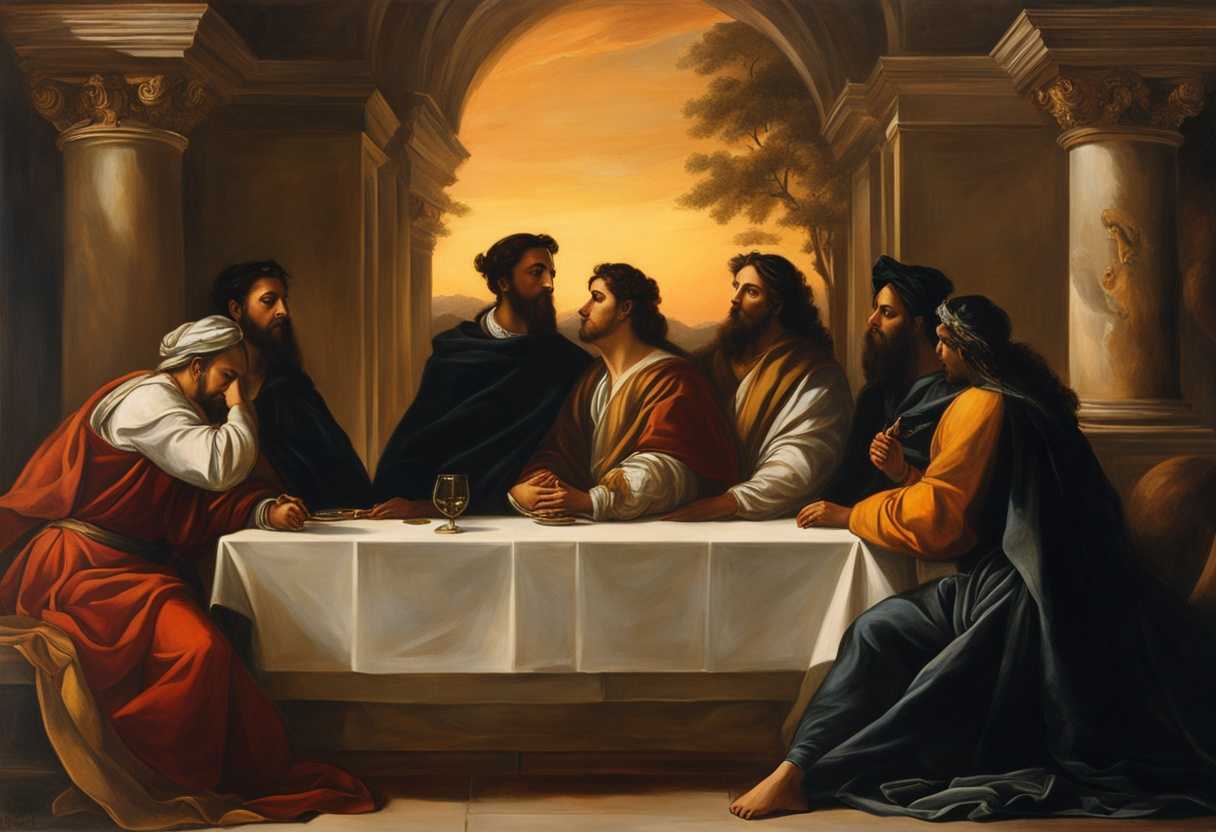
9 Now the king of Israel and Jehoshaphat the king of Judah were sitting on their thrones, arrayed in their robes. And they were sitting at the threshing floor at the entrance of the gate of Samaria, and all the prophets were prophesying before them.
10 And Zedekiah the son of Chenaanah made for himself horns of iron and said, “Thus says the Lord, ‘With these you shall push the Syrians until they are destroyed.’”
11 And all the prophets prophesied so and said, “Go up to Ramoth-gilead and triumph. The Lord will give it into the hand of the king.”
12 And the messenger who went to summon Micaiah said to him, “Behold, the words of the prophets with one accord are favorable to the king. Let your word be like the word of one of them, and speak favorably.”
13 And Micaiah said, “As the Lord lives, what my God says, that I will speak.”
14 And when he had come to the king, the king said to him, “Micaiah, shall we go to Ramoth-gilead to battle, or shall I refrain?” And he answered, “Go up and triumph; they will be given into your hand.”
15 And the king said to him, “How many times shall I make you swear that you speak to me nothing but the truth in the name of the Lord?”
16 And he said, “I saw all Israel scattered on the mountains, as sheep that have no shepherd. And the Lord said, ‘These have no master; let each return to his home in peace.’”
17 And the king of Israel said to Jehoshaphat, “Did I not tell you that he would not prophesy good concerning me, but evil?”
18 And Micaiah said, “Therefore hear the word of the Lord: I saw the Lord sitting on his throne, and all the host of heaven standing on his right hand and on his left.
19 And the Lord said, ‘Who will entice Ahab the king of Israel, that he may go up and fall at Ramoth-gilead?’ And one said one thing, and another said another.
20 Then a spirit came forward and stood before the Lord, saying, ‘I will entice him.’ And the Lord said to him, ‘By what means?’
21 Then a spirit came forward and stood before the Lord, saying, ‘I will entice him.’ And the Lord said to him, ‘By what means?’
22 Now therefore behold, the Lord has put a lying spirit in the mouth of these your prophets. The Lord has declared disaster concerning you.”
23 Then Zedekiah the son of Chenaanah came near and struck Micaiah on the cheek and said, “Which way did the Spirit of the Lord go from me to speak to you?”
24 And Zedekiah the son of Chenaanah went near and struck Micaiah on the cheek and said, “How did the Spirit of the Lord go from me to speak to you?”
25 Then the king of Israel said, “Take Micaiah and return him to Amon the governor of the city and to Joash the king’s son,
26 and say, ‘Thus says the king, Put this fellow in prison and feed him with meager rations of bread and water until I return in peace.’”
27 And Micaiah said, “If you return in peace, the Lord has not spoken by me.” And he said, “Hear, all you peoples!”
28 So the king of Israel and Jehoshaphat the king of Judah went up to Ramoth-gilead.
29 And the king of Israel said to Jehoshaphat, “I will disguise myself and go into battle, but you wear your robes.” And the king of Israel disguised himself, and they went into battle.
30 Now the king of Syria had commanded the captains of his chariots, “Fight with neither small nor great, but only with the king of Israel.”
31 And when the captains of the chariots saw Jehoshaphat, they said, “It is the king of Israel.” So they turned to fight against him. And Jehoshaphat cried out, and the Lord helped him; God drew them away from him.
32 And when the captains of the chariots saw Jehoshaphat, they said, “It is the king of Israel.” So they turned to fight against him. And Jehoshaphat cried out, and the Lord helped him; God drew them away from him.
33 And a certain man drew his bow at random and struck the king of Israel between the scale armor and the breastplate. So he said to the driver of his chariot, “Turn around and carry me out of the battle, for I am wounded.”
34 And the battle increased that day. And the king of Israel was propped up in his chariot facing the Syrians until evening, and at sunset he died.
The True Meaning of 2 Chronicles 18
The Book of 2 Chronicles was written by an anonymous author, likely a Levite priest or scribe, who compiled the historical accounts of the kingdom of Judah after the reign of King David. This chapter provides a glimpse into the alliance between King Jehoshaphat of Judah and King Ahab of Israel, and the disastrous consequences that followed. The dangerous consequences of forming alliances with the wicked are witnessed in this passage. King Jehoshaphat, a righteous ruler, makes the fateful decision to join forces with the evil King Ahab, leading to a series of events that would test his faith and the future of his kingdom. Micaiah, the true prophet of God, delivers prophetic warnings as the chapter unfolds, foretelling the ultimate downfall of King Ahab, as described in the book of 1 Kings.
The events in this chapter serve as a stark reminder of the importance of discernment and obedience to God’s will, even in the face of political and social pressures. The consequences of Jehoshaphat’s actions echo the warnings found in Proverbs 13:20, “Whoever walks with the wise becomes wise, but the companion of fools will suffer harm. We should seek God’s guidance and stand firm in our faith as we delve into this chapter, even when the world around us seems to be crumbling.
2 Chronicles 18:1-3
King Jehoshaphat of Judah visited King Ahab of Israel in Samaria, as presented in 2 Chronicles 18:1-3. This visit was significant because it symbolized an alliance between the two kingdoms, Judah and Israel. King Ahab was known as a wicked king who did evil in the sight of the Lord, while King Jehoshaphat was considered a good king who sought to follow God’s ways. The union of these two kings represented a compromise on Jehoshaphat’s part, as he was aligning himself with a ruler who did not honor God.
This section of the passage teaches us about the danger of forming alliances with those who do not share our faith or values. The Bible warns us against being unequally yoked with unbelievers in 2 Corinthians 6:14, as such relationships can lead us away from God and compromise our beliefs. King Jehoshaphat’s decision to enter into an alliance with King Ahab eventually led to disastrous consequences, as we will see later in the chapter.
Furthermore, the setting of Samaria is significant in this passage. Samaria was the capital of the northern kingdom of Israel, and it had a history of turning away from God and following idolatry. Jehoshaphat exposed himself to the influences of a corrupt and idolatrous culture by visiting Ahab in Samaria. This serves as a cautionary tale for believers today to be mindful of the environments and influences we allow into our lives, as they can lead us astray from God’s path. This passage highlights the importance of being discerning in our relationships and alliances, as well as being vigilant in guarding ourselves against influences that may lead us away from God. It serves as a reminder to seek alliances with those who share our faith and values, and to be cautious of the environments we expose ourselves to. Through the account of King Jehoshaphat and King Ahab, we are reminded of the timeless message of staying true to God’s ways and not compromising our beliefs for the sake of worldly alliances.
2 Chronicles 18:4-8
King Jehoshaphat of Judah agrees to go to war alongside King Ahab of Israel against Ramoth-gilead in 2 Chronicles 18:4-8. Jehoshaphat initially agrees to support Ahab by stating, “I am as you are, my people as your people, my horses as your horses.” This willingness to align himself with Ahab, who was known for his wickedness and idolatry, reveals a lapse in Jehoshaphat’s judgment. However, it also shows his desire for unity among the kings of Israel and Judah, seeking a sense of camaraderie and unity despite their differences.
Jehoshaphat’s decision to go to war with Ahab reflects the complexity of his character. While he was noted for his faithfulness to God and his efforts to rid Judah of idolatry, he struggled at times with alliances that compromised his devotion to God. This scenario serves as a cautionary tale about the dangers of forming alliances with those who do not share the same values and faith. The Bible often emphasizes the importance of choosing trustworthy companions and avoiding relationships that may lead one astray. Proverbs 13:20 warns, “Whoever walks with the wise becomes wise, but the companion of fools will suffer harm.”
Additionally, the narrative of King Ahab in the Bible is one fraught with disobedience and persistent rejection of God’s commands. His marriage to Jezebel, a foreign queen who promoted Baal worship, is well-documented for its evil influence on the kingdom of Israel. Throughout the books of 1 and 2 Kings, Ahab’s disregard for God’s laws is a recurring theme, culminating in his demise prophesied by Elijah. Ahab’s character serves as a stark contrast to that of Jehoshaphat, highlighting the importance of remaining faithful and obedient to God’s word.
The events in 2 Chronicles 18:4-8 ultimately demonstrate the consequences of compromising one’s principles and aligning with those who do not uphold God’s commands. While Jehoshaphat’s intentions may have been rooted in a desire for peace and unity, his decision to join forces with Ahab led to disastrous outcomes. This narrative serves as a sobering reminder for believers to be discerning in their relationships and to prioritize faithfulness to God above all else. Proverbs 1:10 advises, “My son, if sinners entice you, do not consent.”
2 Chronicles 18:9-11
King Ahab of Israel and King Jehoshaphat of Judah interact in 2 Chronicles 18:9-11. King Ahab had invited Jehoshaphat to join him in battle against Ramoth-gilead. Jehoshaphat, being a godly king, wanted to seek the Lord’s counsel before going into battle. Ahab gathered his prophets, about four hundred in number, who all assured him of victory if he went to battle. Notably, these prophets were known to be prophets of Baal, a false god, and were not prophets of the Lord.
Jehoshaphat, recognizing the need for a true prophet of the Lord, inquired if there was a prophet of Yahweh available. Ahab reluctantly mentioned Micaiah, a prophet who Ahab despised because he never prophesied good concerning him but only evil. This highlights Ahab’s disregard for the true word of the Lord and his preference for false prophets who told him what he wanted to hear.
When Micaiah was brought before the kings, he sarcastically echoed the false prophets’ words of victory but was urged by Jehoshaphat to speak the truth. Micaiah then prophesied the defeat of the kings in battle, which would ultimately result in the death of Ahab. This prophecy was in line with Ahab’s sinful ways and disregard for the Lord’s commands.
This section demonstrates the importance of seeking godly counsel and listening to the true word of the Lord even when it may be difficult to hear. It also serves as a warning against following false prophets who speak to fulfill personal desires rather than speaking the truth of God’s word. Ahab’s fate, as prophesied by Micaiah, was a result of his disobedience and rebellion against God, emphasizing the consequences of turning away from the ways of the Lord.
This story echoes similar themes found throughout the Bible where those who heed the word of the Lord are blessed and protected, while those who reject it face destruction. “The Bible says in Proverbs 12:15, ‘The way of a fool is right in his own eyes, but a wise man listens to advice.’”” Jehoshaphat’s initial desire to seek the Lord’s counsel before going into battle was commendable, and it serves as a reminder for us to always seek God’s guidance in all our ways (Proverbs 3:5-6).
2 Chronicles 18:12-15
King Ahab of Israel and King Jehoshaphat of Judah have a significant interaction in 2 Chronicles 18:12-15. King Ahab was known for his wickedness and disobedience to God, while King Jehoshaphat was considered a righteous king who sought the Lord. This contrasting pair illustrates the consequences of allying with the ungodly and straying from God’s path.
When Ahab gathers his prophets together to inquire about going to war against Ramoth-gilead, all the prophets affirm his success. However, Jehoshaphat senses the need for a prophet of the Lord and asks if there is a prophet of Yahweh available. Ahab reluctantly introduces Micaiah, a true prophet of God, whom he despises for always speaking the truth.
Micaiah’s message is in direct contradiction to the other prophets; he reveals a vision where God allowed a deceiving spirit to influence Ahab’s prophets, leading to his impending defeat in battle. Even though Ahab initially dismisses Micaiah’s prophecy, the events that unfold prove its accuracy. This narrative emphasizes the importance of discerning true prophets from false ones and the consequences of seeking validation from sources not aligned with God’s will.
The dynamics between Ahab and Jehoshaphat in this passage serve as a cautionary tale about the company we keep and the guidance we choose to follow. Jehoshaphat’s initial mistake in aligning with Ahab illustrates the dangers of forming alliances with those who do not honor God. Instead of seeking counsel from God-fearing prophets, Jehoshaphat finds himself swayed by Ahab’s false prophets and is nearly led astray from the truth.
This verse reminds us of the overarching theme in the Bible of choosing righteousness over wickedness, seeking guidance from God rather than following the ways of the world. It underscores the significance of surrounding ourselves with believers who will speak truth into our lives and help us stay on the right path. Jehoshaphat’s eventual realization of the error in his ways and his humility before God serve as a powerful lesson in repentance and seeking God’s forgiveness. This passage echoes the principles found in Proverbs 13:20 in the broader context of the Bible, which warns that “Whoever walks with the wise becomes wise, but the companion of fools will suffer harm.”” It also calls to mind the teachings of the New Testament, where believers are urged to be discerning of false prophets and to test every spirit to see if it is from God (1 John 4:1). The story of Ahab and Jehoshaphat serves as a timeless reminder of the consequences of compromising one’s faith and the importance of staying rooted in God’s truth.
2 Chronicles 18:16-22
The prophet Micaiah is brought before King Ahab and King Jehoshaphat in a pivotal moment in the narrative in 2 Chronicles 18:16-22. King Ahab was the notoriously wicked king of Israel, married to the infamous Queen Jezebel, and known for his idolatry and disobedience to God. On the other hand, King Jehoshaphat of Judah was considered a righteous king who sought the Lord. Micaiah stands before the two kings and they ask him to prophesy about the outcome of a battle they were planning to join forces in. Initially, the other prophets had all predicted success and victory in the battle. However, Micaiah, faithful to God’s message, reveals a different vision. He sees a scene in heaven where God allows a deceiving spirit to influence Ahab’s prophets, ensuring Ahab’s downfall in the battle. This is a powerful demonstration of God’s sovereignty and His ability to control even the spirits for His purposes.
Micaiah’s boldness in speaking the truth, even when it goes against the popular opinion or the desires of powerful kings, serves as a reminder of the importance of staying faithful to God’s word and not being swayed by the majority. His unwavering commitment to deliver the Lord’s message, despite knowing the consequences, stands as a model of integrity and courage for all believers.
The contrasting responses of the two kings to Micaiah’s prophecy are also significant. While Ahab chooses to disregard the warning and ends up meeting his tragic fate in the battle, Jehoshaphat, recognizing the truth in Micaiah’s words, decides to heed the warning and narrowly escapes harm. This serves as a powerful lesson on the consequences of aligning oneself with God’s truth versus following the ways of the world. This account underscores the themes of obedience, discernment, and the ultimate victory of God’s will in the broader context of the Bible. It also highlights the importance of seeking and heeding godly counsel, as Jehoshaphat’s willingness to listen to the true prophet ultimately saved him from disaster. The story of Micaiah and the two kings serves as a cautionary tale about the dangers of pride, deception, and the consequences of turning away from God’s word.
2 Chronicles 18:23-27
The prophet Micaiah boldly stands before King Ahab of Israel and King Jehoshaphat of Judah in 2 Chronicles 18:23-27. The kings wanted Micaiah to prophesy success in their planned military campaign against Ramoth Gilead. Ahab had surrounded himself with false prophets who were telling him exactly what he wanted to hear, but Jehoshaphat sensed their lack of sincerity and asked if there was a true prophet of the Lord they could consult.
Micaiah initially mockingly agrees with the false prophets and foretells success. However, when pressed by Ahab, he reveals a vision where he saw the Lord on His throne asking who would go and entice King Ahab to go up and fall at Ramoth Gilead. A spirit steps forward and offers to be a lying spirit in the mouths of Ahab’s prophets. This vision was a confirmation of Ahab’s impending downfall, as he had been led astray by lies and deceit.
This passage serves as a powerful reminder of the danger of surrounding oneself with individuals who only speak what is pleasing to the ears, rather than seeking the truth of God’s word. Ahab’s refusal to heed the warning from the true prophet of God, Micaiah, resulted in his ultimate demise. It demonstrates the importance of discernment and seeking out genuine spiritual counsel, even when it may go against what we want to hear.
Throughout the Bible, there are numerous instances where individuals are warned about the consequences of following false prophets or giving in to deceitful words. Proverbs 12:19 reminds us that “Truthful lips endure forever, but a lying tongue lasts only a moment.” This teaches us the enduring power of truth over falsehood, and the importance of aligning ourselves with God’s truth rather than being swayed by empty promises or deceitful words.
Micaiah’s courage and commitment to speaking the truth, even when it was unpopular or inconvenient, stand as an example for believers today. His willingness to confront the kings with a message they did not want to hear ultimately revealed the impending judgment that awaited Ahab. This serves as a reminder for us to stand firm in our faith and to always seek the truth, even when it may be uncomfortable or challenging. The account of Micaiah’s prophecy in 2 Chronicles 18:23-27 highlights the timeless theme of seeking the truth of God’s word above all else. It cautions against the dangers of surrounding oneself with false prophets and deceitful words, emphasizing the importance of discernment and staying true to the teachings of the Lord. This passage ultimately serves as a sobering reminder of the consequences that can result from rejecting the truth in favor of lies.
2 Chronicles 18:28-34
2 Chronicles 18:28-34 reads, “So the king of Israel and Jehoshaphat the king of Judah went up to Ramoth Gilead. And the king of Israel said to Jehoshaphat, ‘I will disguise myself and go into battle, but you wear your robes.’ So the king of Israel disguised himself, and they went into battle. Now the king of Syria had commanded the captains of his chariots, ‘Fight with no one small or great, but only with the king of Israel. The captains of the chariots saw Jehoshaphat and said, ‘It is the king of Israel.” So they turned to fight against him. And Jehoshaphat cried out, and the Lord helped him; God drew them away from him. For as soon as the captains of the chariots saw that it was not the king of Israel, they turned back from pursuing him. But a certain man drew his bow at random and struck the king of Israel between the scale armor and the breastplate. Therefore he said to the driver of his chariot, ‘Turn around and carry me out of the battle, for I am wounded.’ And the battle continued that day, and the king of Israel was propped up in his chariot facing the Syrians until evening. Then at sunset he died. The king of Israel attempts to deceive the enemy by disguising himself while expecting King Jehoshaphat of Judah to wear his royal robes in this passage. However, despite the disguise, the king of Syria had specifically instructed his captains to target the king of Israel. When the Syrian captains mistook Jehoshaphat for the king of Israel and began to pursue him, Jehoshaphat cried out to the Lord, who intervened and helped him by diverting their attention away.
This incident highlights the theme of divine intervention and protection in times of danger. It emphasizes the importance of seeking God’s guidance and relying on Him for deliverance in the midst of adversity. Jehoshaphat’s cry for help and God’s immediate response serve as a powerful reminder that God is attentive to the prayers of His people and is ready to come to their aid.
Furthermore, the death of the king of Israel, Ahab, as a result of a seemingly random arrow striking him in the midst of battle, serves as a stark illustration of God’s judgment. This event echoes the prophecy of Micaiah in 2 Chronicles 18, where Ahab is warned of his impending defeat and death in battle. Despite his attempts to deceive and manipulate the circumstances, Ahab ultimately meets his demise according to God’s sovereign will.
The story of Ahab’s downfall is a cautionary tale about the consequences of disobedience and rebellion against God. It underscores the biblical principle that individuals will reap what they sow, and that no one can thwart God’s plans or escape His justice. Ahab’s tragic end serves as a sobering reminder of the importance of faithfulness to God and the eventual accountability we all have before Him. This narrative aligns with the broader biblical message that God is just and righteous, and that He will ultimately judge all according to their deeds.
After 2 Chronicles 18
The prophet Micaiah had spoken the truth, but the king refused to listen. Ahab’s fate was sealed, and the battle was lost. Micaiah’s words still hung in the air as the sun set on the field of Ramoth-gilead, a solemn reminder that the path of the righteous is not always an easy one. Yet, even in the face of adversity, the faithful must stand firm, for the Lord’s plan is greater than any earthly conflict. The stage was set for the next chapter as the consequences of Ahab’s actions would unfold, and the true nature of his legacy would be revealed as the chapter drew to a close.

Reverend Michael Johnson is an experienced Church Minister with a profound expertise in spirituality and guidance. With a serene presence and a compassionate heart, he has faithfully served his congregation for over 20 years, leading them on a spiritual journey towards inner peace and enlightenment. Reverend Johnson’s extensive knowledge of religious philosophies and profound understanding of human nature have made him a trusted confidant and mentor to many, as he seamlessly weaves his profound wisdom into life teachings. Reverend Johnson’s calming demeanor and empathetic nature continue to uplift and heal souls, nurturing a sense of unity and tranquility within his community.