
2 Chronicles 21:19 is about how King Jehoram’s illness symbolizes God’s judgment for his evil actions and serves as a warning for the consequences of disobedience.
19 In the course of time, at the end of two years, his bowels came out because of the disease, and he died in great agony. His people made no fire in his honor, like the fires made for his fathers.
Setting the Scene for 2 Chronicles 21:19
In 2 Chronicles chapter 21, we find a scene set in the royal palace of Judah. King Jehoram, the son of King Jehoshaphat, is ruling over the kingdom. However, Jehoram did evil in the sight of the Lord, unlike his father who had followed the ways of the Lord. As a result, the kingdom was plagued with troubles and enemies.
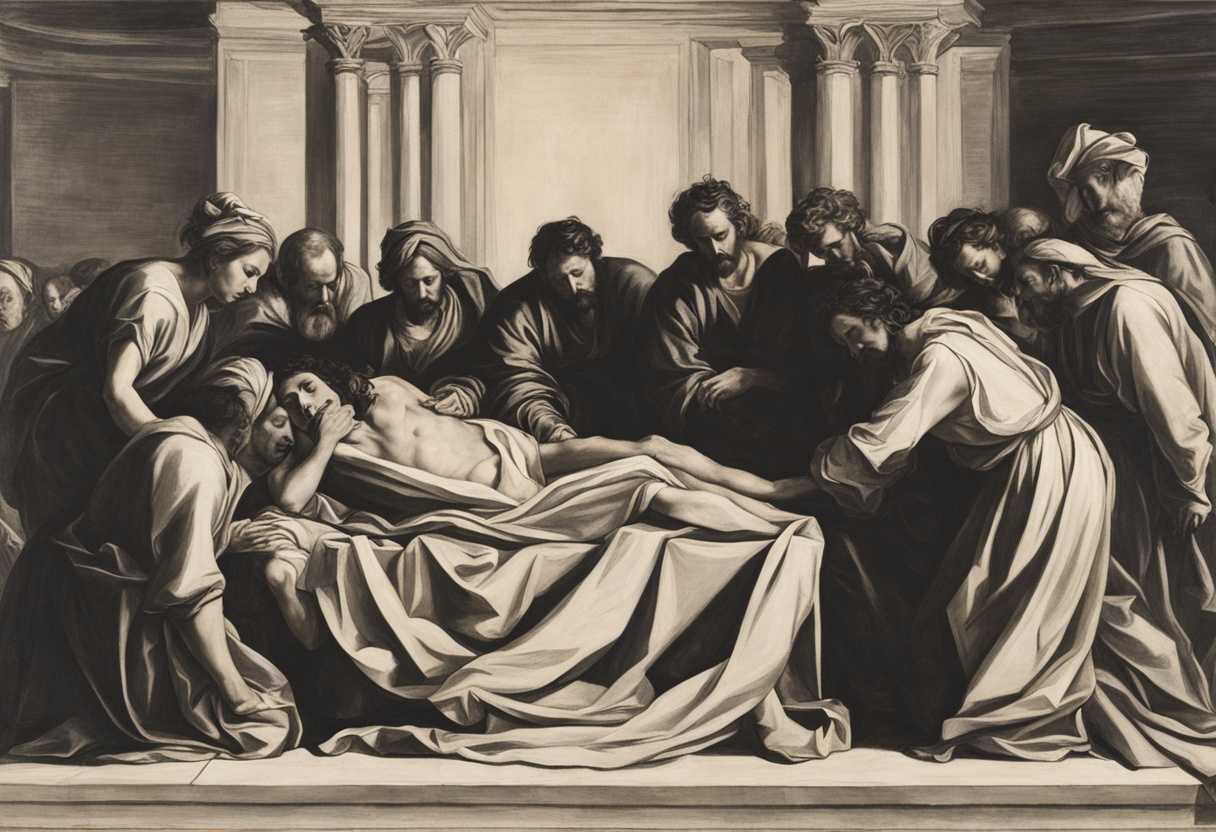
In this particular verse, we see Jehoram afflicted with a severe illness. The scene unfolds with Jehoram lying in his bed in the royal chambers, surrounded by his closest advisors and family members. The atmosphere is heavy with worry and tension as they witness the king’s deteriorating health. Despite his wickedness, there is a sense of concern and urgency among those present as they grapple with the gravity of the situation.
The room is dimly lit by flickering torches, casting shadows on the worried faces of those gathered around the king. The air is thick with the scent of incense burning in an attempt to ward off evil spirits. Outside, the palace grounds are eerily quiet, a stark contrast to the usual hustle and bustle of court life. It is a moment of reckoning for Jehoram and those around him, a reminder of the consequences of straying from the path of righteousness.
What is 2 Chronicles 21:19 about?
A powerful imagery is used in this verse to demonstrate the consequences of one’s actions. It highlights the idea that despite all the blessings and warnings given by the Lord, there are still consequences for disobedience or wrongdoing. It serves as a reminder that even the mighty and supposedly untouchable can be humbled by divine punishment.
Imagine the gravity of a disease inflicted by the Lord himself, an affliction deemed incurable. Reflect on the severity of the message being conveyed here. It prompts us to consider our own actions and their potential repercussions. It’s a cautionary tale that reminds us of the importance of faith, obedience, and humility before a higher power. This verse ultimately calls for introspection and reflection on our own behaviors. It challenges us to consider the consequences of our actions and the importance of staying true to our faith and principles in order to avoid the wrath of a higher authority. It’s a stark reminder that accountability and responsibility are core aspects of our relationship with the divine.
Understanding what 2 Chronicles 21:19 really means
In 2 Chronicles 21:19, we delve into the narrative of King Jehoram of Judah, a ruler whose life was marred by wickedness and divine retribution. His reign was characterized by idolatry, murder, and a departure from the righteous ways of his predecessors. The verse serves as a poignant reminder of the severe consequences that befell Jehoram due to his sinful actions, illustrating the principle that one reaps what they sow, as echoed in Galatians 6:7. This connection underscores the concept of divine justice and the inevitability of facing the repercussions of our choices.
Proverbs 14:12 further illuminates the deceptive allure of paths that seem right but ultimately lead to destruction. Jehoram’s tragic story serves as a cautionary tale, urging readers to discern between the ways that may appear appealing but ultimately result in ruin. Conversely, 2 Chronicles 7:14 offers a beacon of hope, outlining the path to redemption through humility, prayer, repentance, and seeking God’s face. This juxtaposition highlights the stark contrast between the consequences of sin and the promise of forgiveness and healing through genuine repentance.
In today’s morally complex world, where ethical boundaries can often be blurred, this verse resonates as a clarion call to uphold righteousness and accountability. The cautionary tale of Jehoram’s downfall finds relevance in contemporary scenarios where leaders or individuals, despite initial promise, succumb to corruption and unethical behavior, leading to personal and public ruin. This parallel underscores the timeless truth that unchecked sin inevitably leads to dire consequences, both in personal lives and societal spheres.
The phrase “After all this” in the verse signifies a culmination of events and choices that culminated in Jehoram’s ultimate suffering, emphasizing the gradual progression towards his downfall. “The Lord afflicted him” underscores the active role of divine intervention in administering justice, showcasing God’s sovereignty over human affairs. The mention of an “incurable disease” symbolizes the irreversible nature of sin’s consequences, portraying the spiritual decay that ensues from persistent disobedience. Lastly, “He died in great pain” serves as a poignant reminder of the severity of the punishment meted out, highlighting the physical and spiritual anguish resulting from a life of unrepentant sin.
By contemplating the narrative of Jehoram and its implications, readers are prompted to introspect on their own lives, fostering a spirit of repentance and a commitment to aligning their actions with God’s will. This verse stands as a timeless admonition, urging individuals to heed the lessons of history, seek forgiveness for transgressions, and strive for a life marked by righteousness and obedience to avoid the dire consequences of sin.
How can we have faith during hopeless situations?
We can find faith in times of hopelessness by believing in God’s ultimate plan and purpose for our lives. Even when situations seem dire and uncertain, we can trust that God is working all things together for our good. We can maintain our faith and hope in God by remembering that He is always with us and that His plans are greater than our own.
Additionally, we can find strength in knowing that our hope is not based on our circumstances, but on the unchanging character of God. He is faithful, loving, and merciful, and He remains constant even in the midst of our trials. We can experience a sense of peace and assurance that transcends our current difficulties by anchoring our faith in who God is rather than in our present troubles. Surrendering our fears and anxieties to God and choosing to trust in His promises ultimately requires having faith during hopeless situations. We can find encouragement in the truth that God is our refuge and strength, a present help in times of trouble. We can persevere with faith and hope by keeping our focus on Him and His power rather than on our problems, knowing that He is able to bring beauty out of ashes and to restore what has been broken.
Application
Life moves quickly—like a sudden deadline or a child’s fleeting childhood. This moment is your chance to make an impact, to share love and faith with those around you. Don’t put it off; time waits for no one. Your actions today shape the legacy you leave. Are you ready to make a difference now?

Reverend Michael Johnson is an experienced Church Minister with a profound expertise in spirituality and guidance. With a serene presence and a compassionate heart, he has faithfully served his congregation for over 20 years, leading them on a spiritual journey towards inner peace and enlightenment. Reverend Johnson’s extensive knowledge of religious philosophies and profound understanding of human nature have made him a trusted confidant and mentor to many, as he seamlessly weaves his profound wisdom into life teachings. Reverend Johnson’s calming demeanor and empathetic nature continue to uplift and heal souls, nurturing a sense of unity and tranquility within his community.