
2 Chronicles 2:3 is about King Solomon acknowledging the greatness of God and his desire to build a temple that will be a place of worship and glory for the Lord.
3 And Solomon sent word to Hiram the king of Tyre: “As you dealt with David my father and sent him cedar to build himself a house to dwell in, so deal with me.
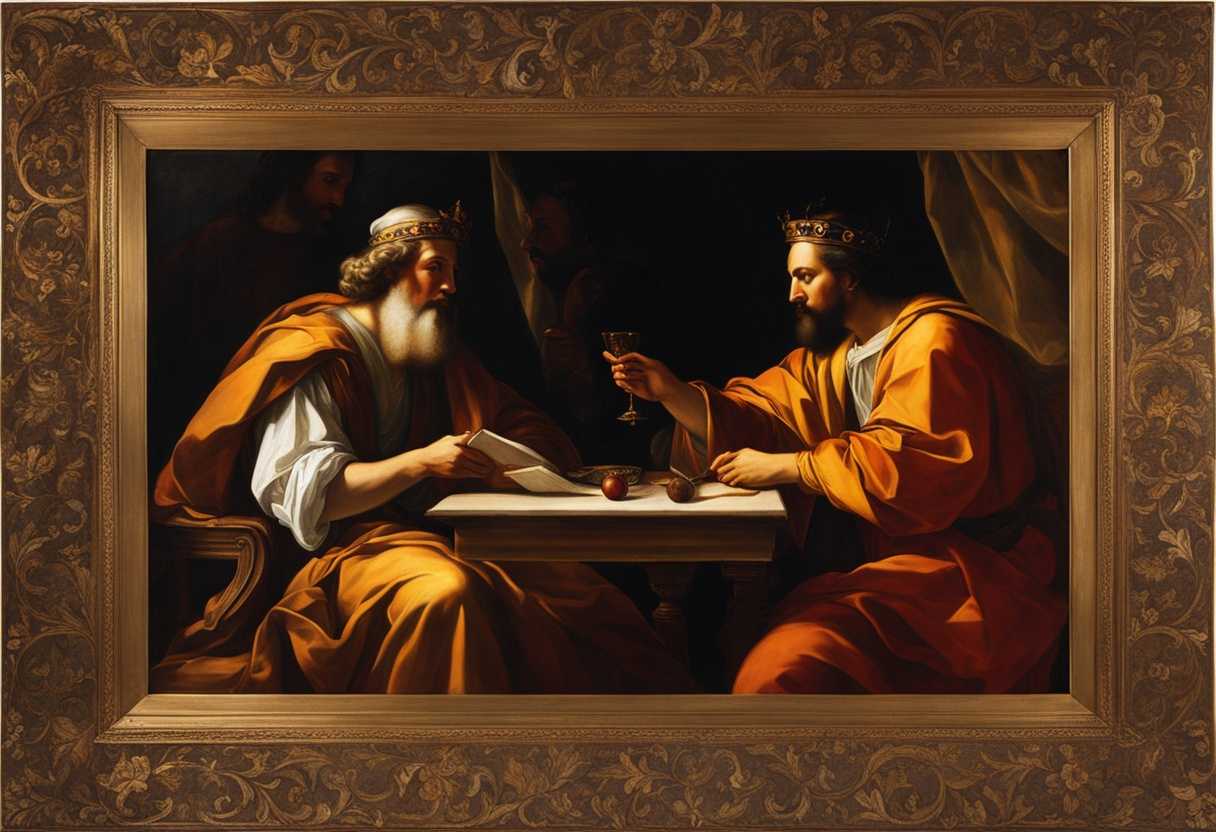
Setting the Scene for 2 Chronicles 2:3
In 2 Chronicles chapter 2, we find King Solomon of Israel preparing to build the magnificent temple of the Lord in Jerusalem. The scene is set in the bustling city, with workers and craftsmen bustling about, preparing materials for the grand project. King Solomon, known for his wisdom and wealth, is overseeing the preparations with great care and attention to detail.
Among those present are Hiram, the skilled craftsman and ally of King Solomon, who will play a crucial role in providing the materials and expertise needed for the temple’s construction. The air is filled with the sounds of hammers striking metal, saws cutting wood, and the chatter of workers as they go about their tasks. The scene is one of anticipation and excitement as the people of Israel come together to build a place of worship for their God.
As the sun sets over the city, casting a warm glow over the construction site, King Solomon and his advisors gather to discuss the next steps in the building process. The air is filled with the scent of cedar and cypress wood, brought from Lebanon for the temple’s construction. The scene is a testament to the dedication and faith of the people of Israel, as they work together to create a place where they can worship and honor their God for generations to come.
What is 2 Chronicles 2:3 about?
King Solomon in this verse makes preparations to build a temple for the Lord. This act of building a temple symbolizes dedication, reverence, and commitment to God. It shows King Solomon’s desire to create a physical space where God’s presence could dwell among his people. King Solomon is demonstrating his faithfulness and obedience to God’s will by undertaking this monumental task.
Imagine the meticulous planning, organization, and resources required to build such a grand structure. King Solomon’s decision to build the temple is not merely a construction project but a spiritual endeavor to honor God. It speaks to the importance of creating sacred spaces for worship, reflection, and connection with the divine. We reflect on this verse and are reminded of the significance of dedicating our time, talents, and resources to God’s service, just as King Solomon did with the construction of the temple.
Understanding what 2 Chronicles 2:3 really means
Structure for Commentary:
1. Introduction to the verse and context
2. Detailed breakdown of key phrases
3. Cross-references to other biblical passages
4. Relevance to contemporary life
5. Anecdotal illustration
6. Solomon communicates with Hiram, the king of Tyre, regarding the construction of the temple in this verse. The temple was not just a physical structure but a symbol of God’s presence with His people. Solomon’s request highlights the collaboration and resources required for such a divine project.
Detailed Breakdown of Key Phrases:
When Solomon says “as you dealt with my father David,” he acknowledges the history of mutual respect and cooperation. This phrase emphasizes continuity and the honoring of past relationships. The mention of “cedar trees” signifies the best materials were sought for God’s house, reflecting the importance of giving our best in service to God. The phrase “to build a house for the name of the Lord” underscores the temple’s purpose: to honor and glorify God.
Cross-references to Other Biblical Passages:
The idea of building a house for God can be seen in 1 Chronicles 22:7-10, where David expresses his desire to build the temple, but God designates Solomon for the task. Additionally, in Exodus 25:8, God instructs Moses to build a sanctuary so He may dwell among His people, showing the continuity of God’s desire to be present with His followers.
Relevance to Contemporary Life:
Today, this verse speaks to the importance of honoring commitments and valuing relationships. It reminds us that our efforts to serve God should be marked by integrity and excellence. We too should offer our best in whatever we do for God and others, just as Solomon sought the best materials and skilled labor. The congregation comes together to build a community center in a modern-day church project. Each member contributes their unique skills, from carpentry to fundraising. Their collective efforts reflect the same spirit of dedication and collaboration seen in Solomon’s time. One member might recall how their grandfather helped build the original church, creating a sense of continuity and honoring past contributions.
Conclusion and Reflection:
Reflecting on this verse, we see a powerful lesson in collaboration, dedication, and honoring God with our best. It challenges us to consider how we can contribute to our communities and serve God with integrity and excellence. How might we, like Solomon, recognize and build upon the foundations laid by those before us? Let’s remember the essence of this verse as we ponder these questions: honoring God in all we do, valuing relationships, and striving for excellence in service. What legacy are we creating with our actions today?
What offering can we bring to honor God?
We can bring offerings to honor God as a sign of our devotion and gratitude towards Him. These offerings can be in the form of the best and most precious resources that we have, symbolizing our respect and acknowledgment of God’s greatness. We demonstrate our commitment and love for God by giving our best to Him, showing that He is worthy of our reverence and praise.
Offerings are a way for us to express our faith and trust in God, acknowledging His sovereignty over our lives and recognizing His provision and blessings. When we present our offerings with a sincere heart, we are showing our willingness to give back to God a portion of what He has already given to us. It is a way for us to participate in His work and kingdom, contributing to the advancement of His purposes and the spreading of His love and truth in the world. We also demonstrate our desire to worship Him with excellence and honor by offering the best of what we have to God. It is a way for us to show that we value Him above all else and that we are willing to sacrifice and give generously for His glory. Our offerings can come in various forms, such as our time, talents, treasures, and even our very lives, as we seek to honor God with all that we are and all that we have.
Application
In the hustle of work and family, remember your duty to give your best to God. Just like you strive to excel at your job or care deeply for your loved ones, channel that effort into honoring Him. Use your talents and resources to reflect His glory. Are you prepared to bring your best offering to the Lord today?

Reverend Michael Johnson is an experienced Church Minister with a profound expertise in spirituality and guidance. With a serene presence and a compassionate heart, he has faithfully served his congregation for over 20 years, leading them on a spiritual journey towards inner peace and enlightenment. Reverend Johnson’s extensive knowledge of religious philosophies and profound understanding of human nature have made him a trusted confidant and mentor to many, as he seamlessly weaves his profound wisdom into life teachings. Reverend Johnson’s calming demeanor and empathetic nature continue to uplift and heal souls, nurturing a sense of unity and tranquility within his community.