
2 Chronicles 34:19 is about King Josiah’s profound reaction upon hearing the words of the Law, signifying his deep sense of remorse and recognition of the nation’s unfaithfulness to God, which leads to a commitment to reform and return to covenant faithfulness.
19 And when the king heard the words of the Law, he tore his clothes.
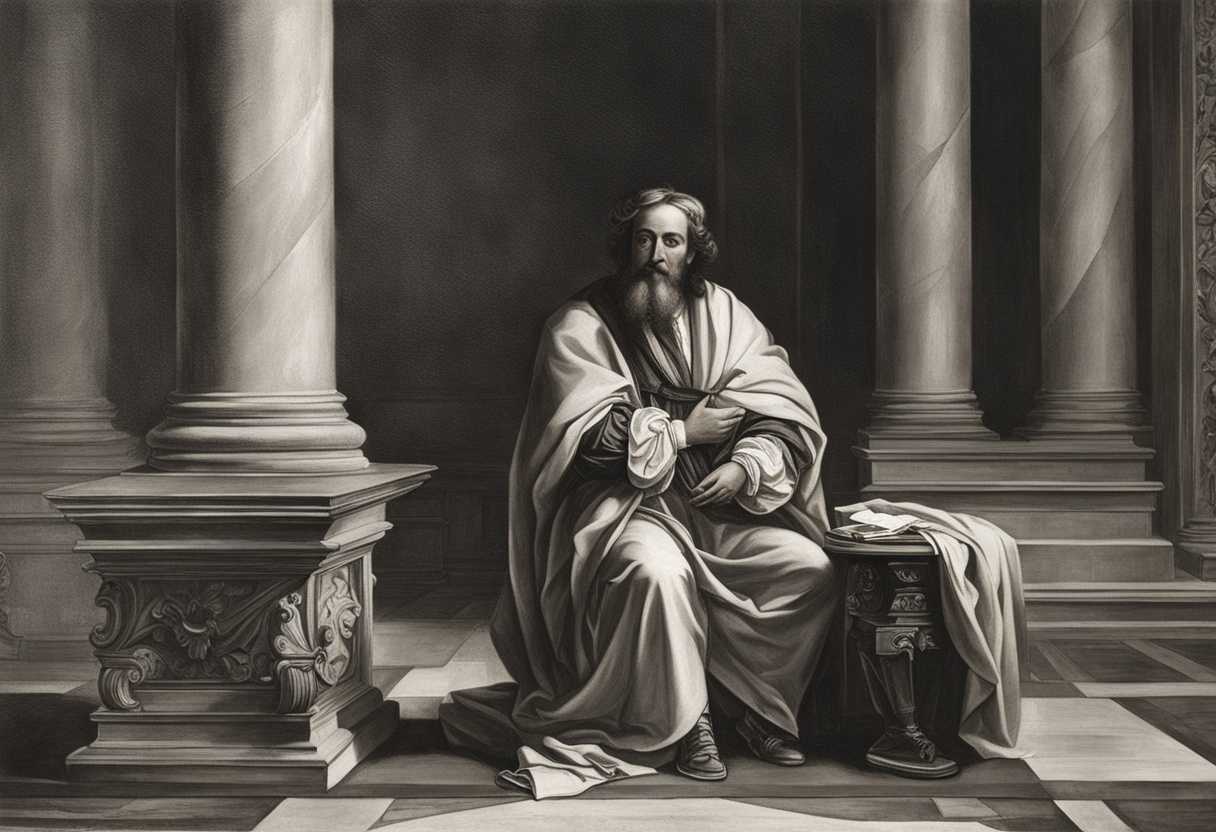
Setting the Scene for 2 Chronicles 34:19
In the heart of ancient Jerusalem, the atmosphere was thick with a sense of urgency and reverence. King Josiah, a young ruler who had ascended to the throne at just eight years old, was deeply committed to restoring the worship of Yahweh among his people. The temple, once a glorious place of worship, had fallen into disrepair and neglect, overshadowed by years of idolatry and corruption. As the king sought to bring about a spiritual revival, he ordered the restoration of the temple, a monumental task that required the efforts of skilled craftsmen and laborers. The air was filled with the sounds of chiseling stone and the rustle of scrolls as the workers diligently toiled, guided by the vision of their young king.
Amidst the restoration efforts, a significant discovery was made: the Book of the Law, long forgotten and buried under the debris of the temple. When the high priest Hilkiah unearthed this sacred text, it was as if a light had been ignited in the darkness. The scroll was brought to Shaphan, the royal secretary, who read its contents aloud to King Josiah. The words of the law pierced the heart of the young king, revealing the stark contrast between the covenant God had made with His people and the current state of their worship. Overwhelmed by the realization of their transgressions, Josiah tore his robes in anguish, a powerful symbol of his grief and repentance. The king’s reaction was not just one of sorrow; it was a catalyst for change, igniting a fervent desire to lead his people back to righteousness.
Surrounded by the remnants of the temple, the atmosphere shifted from one of despair to hope. The once-dilapidated structure now buzzed with renewed purpose as Josiah summoned the elders and the people of Judah to gather. The sun streamed through the open doors, illuminating the dust motes dancing in the air, as the king stood before his people, ready to share the words of the law that had been rediscovered. The scene was charged with anticipation, as the people listened intently, their hearts stirred by the call to return to their covenant with God. In that moment, the temple became not just a building, but a symbol of restoration and a renewed commitment to faith, setting the stage for a profound transformation in the lives of the people of Judah.
What is 2 Chronicles 34:19 about?
What a profound moment we witness in the story of King Josiah! When we think about the concept of humility, what does it really mean? To have a heart that is humbled, particularly in the context of a king, suggests a detachment from arrogance and an embrace of vulnerability. Josiah’s reaction upon hearing God’s words was not just a fleeting moment of guilt, but rather a deep acknowledgment of the need for change within himself and his kingdom. It prompts us to reflect on our own lives—how often do we allow ourselves to listen to the deeper truths that might lead us to a place of reflection and repentance?
Josiah’s ensuing reforms in Judah highlight the power of transformation that arises from genuine remorse and a desire to align with a higher purpose. When we think about repentance, how essential is it in our journey toward personal growth? It’s more than merely feeling sorry; it’s an active choice to turn away from past mistakes and restore what has been broken. King Josiah didn’t just stop at feeling remorseful; he took tangible steps to implement reforms, demonstrating that true repentance culminates in action. This narrative invites us to ask ourselves: are we merely listeners of profound truths, or are we also doers? Like Josiah, we are reminded that embracing humility can open the door to a genuine revival, both in our hearts and our communities. What steps can we take today to initiate our own forms of reform and return to a path aligned with our values and responsibilities?
Understanding what 2 Chronicles 34:19 really means
In 2 Chronicles 34:19, we witness a pivotal moment in the reign of King Josiah, a young ruler who initiated profound religious reforms in Judah. The context surrounding this verse is crucial; it occurs after the discovery of the long-lost Book of the Law. This discovery is not merely a historical event but a transformative moment that reveals the depth of the people’s disconnection from God’s commandments. When Josiah hears the words of the Law, his immediate reaction is one of deep sorrow and distress, highlighting the powerful impact of Scripture on the human heart.
The phrase “When the king heard the words of the Law” underscores the significance of engaging with God’s Word. It serves as a reminder that Scripture is not just a collection of ancient texts but a living guide that can convict and inspire us. Josiah’s response—tearing his robes—symbolizes a profound recognition of sin and a heartfelt repentance. This act was a physical manifestation of grief, illustrating how deeply he felt the weight of the people’s disobedience. Have we ever experienced a moment where the truth of God’s Word struck us so deeply that it compelled us to change?
Josiah’s next action, sending for the prophetess, reflects his humility and desire for divine guidance. In times of crisis, it is essential to seek wisdom beyond our understanding. This act of reaching out for counsel shows that even leaders need spiritual direction. It prompts us to consider: when faced with challenges, do we turn to God for insight, or do we rely solely on our own understanding?
The relevance of this passage extends beyond its historical context. Today, many individuals find themselves distanced from spiritual truths, much like the people of Judah. The rediscovery of God’s Word can lead to significant transformation in our lives. It challenges us to engage with Scripture actively, allowing it to illuminate our paths. For instance, I recall a member of our congregation who shared how a specific passage brought them to tears during a challenging season. This moment of realization mirrored Josiah’s experience, demonstrating how God’s Word can lead us to repentance and renewal.
Moreover, this verse invites us to reflect on our own spiritual journeys. Just as Josiah was moved to action, we too are called to respond to the truths found in Scripture. It encourages us to examine our hearts and the state of our communities. Are we aligned with God’s desires for us, or have we strayed from His path? The act of tearing one’s robes may not be a common practice today, but the sentiment of brokenness over sin remains relevant.
In conclusion, 2 Chronicles 34:19 serves as a powerful reminder of the transformative nature of God’s Word. It calls us to recognize the importance of engaging with Scripture and to allow it to shape our lives. Just as Josiah’s encounter with the Law led to significant change, we too are invited to respond to God’s truths. Let us seek restoration and alignment with His will, fostering a deeper connection with the divine and a commitment to living out our faith authentically.
How should I respond to God’s message in my life?
When faced with God’s message in your life, it’s essential to approach it with humility and an open heart. Acknowledge the emotions and realizations that it brings forth. This might involve a deep sense of awe or even fear, reflecting your understanding of the significance of His words. It’s a moment to recognize the weight of His revelation and to allow it to resonate within you, leading to a transformation in your outlook or actions. A call to respond actively accompanies emotional reflection. This might mean revisiting your beliefs, making necessary changes in your life, or seeking to understand how you can align more closely with divine guidance. Embrace the message as a catalyst for growth—whether it compels you to rectify past mistakes, pursue righteousness, or deepen your relationship with God. Engaging in prayer and contemplation can facilitate this process, allowing you to discern the path forward that honors the calling you’ve received.
Finally, your response should embody a commitment to living out the principles and directives that you’ve understood from God’s message. This is not just a personal journey; it often involves sharing the insights and transformations with others. Being open about your experience can encourage those around you to explore their own responses to God’s messages. Your journey ultimately serves as a testament to the transformative power of divine communication and inspires others seeking their own path.
Application
Think of yourself like a worker on a tight deadline or a parent juggling responsibilities. Just as King Josiah tore his robe in deep sorrow upon hearing God’s Word, you too can make a powerful change by responding genuinely to what you hear. Don’t let the busyness of life drown out the messages that could uplift you. Dive into the Scriptures with a sense of urgency and openness, ready to let them reshape your life. Are you prepared to unlock your potential and make a real difference today?

Reverend Michael Johnson is an experienced Church Minister with a profound expertise in spirituality and guidance. With a serene presence and a compassionate heart, he has faithfully served his congregation for over 20 years, leading them on a spiritual journey towards inner peace and enlightenment. Reverend Johnson’s extensive knowledge of religious philosophies and profound understanding of human nature have made him a trusted confidant and mentor to many, as he seamlessly weaves his profound wisdom into life teachings. Reverend Johnson’s calming demeanor and empathetic nature continue to uplift and heal souls, nurturing a sense of unity and tranquility within his community.