
2 Chronicles 6:7 is about King Solomon conveying that the temple he is building will be the permanent dwelling place for the Ark of the Covenant, symbolizing God’s presence among His people.
7 Now it was in the heart of David my father to build a house for the name of the Lord, the God of Israel.
Setting the Scene for 2 Chronicles 6:7
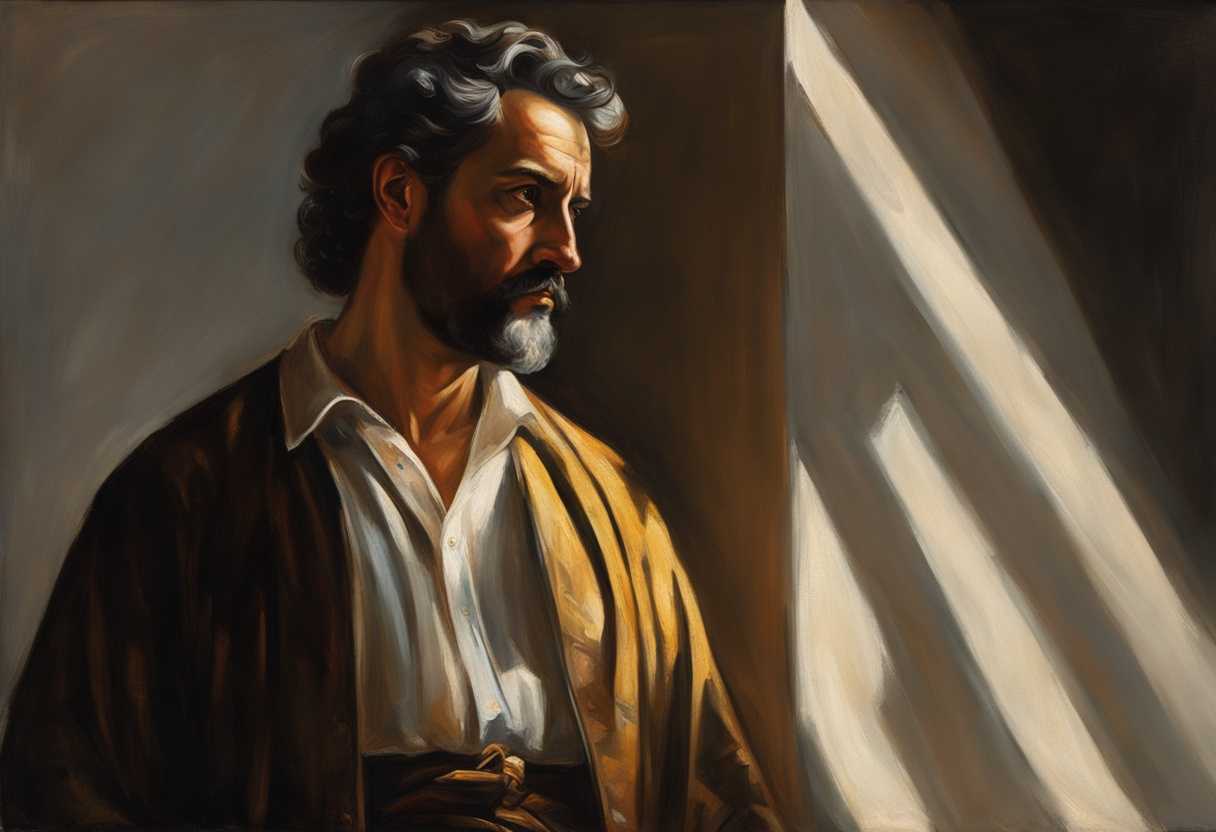
In 2 Chronicles chapter 6, King Solomon is standing before the newly constructed Temple in Jerusalem. The grand structure is a sight to behold, with its intricate carvings, towering pillars, and shimmering gold accents. The Temple is filled with the fragrance of burning incense, and the sound of prayers and praises fills the air.
Surrounding King Solomon are the elders of Israel, priests, Levites, and a vast assembly of people who have gathered to witness this momentous occasion. They have come from all corners of the kingdom to see the fulfillment of Solomon’s vision to build a house for the Lord. The atmosphere is charged with anticipation and reverence as they await the king’s words and the consecration of the Temple.
As the sun sets in the distance, casting a warm glow over the scene, King Solomon raises his hands towards the heavens and begins to pray. His voice is strong and unwavering as he acknowledges the faithfulness of God and dedicates the Temple to His glory. The people bow their heads in awe and humility, grateful to be part of this sacred moment in the history of Israel.
What is 2 Chronicles 6:7 about?
As we delve into this verse, Solomon recognizes and honors God’s unfailing faithfulness in fulfilling the promises He made to his father, David. Solomon expresses gratitude and awe at how every word spoken by God to David has come to pass, showing the undeniable power and trustworthiness of God’s word. This acknowledgment not only highlights the faithfulness of God but also serves as a reminder of the importance of trusting in Him and His promises.
Think about the implications of this verse on your own life. Have you ever experienced a situation where God’s promises were fulfilled in ways you never expected? Reflect on the moments when God has shown His faithfulness in your life, even when the circumstances seemed uncertain. Let Solomon’s words inspire you to place your trust in God’s promises and to remember that His faithfulness endures through all seasons of life. God will also be faithful to you in every aspect of your journey, just as He remained faithful to David and Solomon.
Understanding what 2 Chronicles 6:7 really means
In 2 Chronicles 6:7, we delve into the heartfelt reflections of Solomon as he prays during the dedication of the temple in Jerusalem. This momentous occasion is not just about the physical structure being consecrated but also about the spiritual legacy and intentions behind its construction. Solomon acknowledges the deep-seated desire of his father, David, to build a temple for the Lord. Despite David not being the one to fulfill this task, his intentions were pure and pleasing to God.
David’s longing to build a house for the Lord is a recurring theme in the Bible, emphasizing the importance of intentions in our relationship with God. In 1 Chronicles 17:1-4 and 1 Kings 8:17-18, we see God’s redirection of this desire towards Solomon, highlighting that God values the sincerity and devotion of our hearts. Acts 13:22 further underscores David’s character as a man after God’s own heart, emphasizing the significance of his deep connection with God.
The relevance of this verse extends to our lives today, where we often prioritize tangible results and achievements. It serves as a poignant reminder that God values the purity of our intentions and the sincerity of our hearts. Even if we may not see the completion of a task or dream, our genuine desires to honor God are cherished by Him.
Consider a community member who envisioned starting a charitable organization but faced obstacles preventing them from seeing it through. Despite this, their passion and groundwork inspired others to continue the mission, eventually leading to the establishment of the organization. This anecdote beautifully illustrates how God values our intentions and efforts, even if we are not the ones to bring them to fruition.
The phrase “It was in the heart of David my father” encapsulates the profound desire David harbored to honor God, showcasing how God recognizes and treasures the intentions of our hearts. “To build a house for the name of the Lord, the God of Israel” underscores the purpose behind David’s aspiration—to glorify God and provide a dedicated place for worship. It serves as a poignant reminder for us to align our motivations with honoring and serving God faithfully.
Reflecting on 2 Chronicles 6:7 prompts us to uphold pure intentions in our service to God, trusting that He values the sincerity of our hearts. It encourages us to focus on the purity of our motives rather than solely on the outcomes, knowing that God sees and cherishes the depths of our intentions.
How can we fulfill God’s promises in our lives?
To fulfill God’s promises in our lives, we must first understand that God’s promises are rooted in His faithfulness and love for us. Our part in experiencing the fulfillment of these promises is to remain obedient to His commands and follow His will for our lives. This involves staying connected to Him through prayer, studying His Word, and seeking His guidance.
When we align our lives with God’s principles and seek His kingdom above all else, we position ourselves to receive the blessings and promises He has in store for us. Trusting in God’s timing and remaining steadfast in our faith even when faced with challenges is essential in seeing His promises come to fruition. We can witness God’s faithfulness and experience the abundant life He has promised us by walking in faith, humility, and obedience.
Application
Think about your daily life, juggling work, family, and countless obligations. Just like Solomon dedicated himself to building a house for the Lord, you can dedicate yourself to creating a space for divine purpose in your life. Consider how you can honor God in both your community and your heart. What steps can you take today to build that spiritual house in your own life? How will you rise to this divine challenge?

Reverend Michael Johnson is an experienced Church Minister with a profound expertise in spirituality and guidance. With a serene presence and a compassionate heart, he has faithfully served his congregation for over 20 years, leading them on a spiritual journey towards inner peace and enlightenment. Reverend Johnson’s extensive knowledge of religious philosophies and profound understanding of human nature have made him a trusted confidant and mentor to many, as he seamlessly weaves his profound wisdom into life teachings. Reverend Johnson’s calming demeanor and empathetic nature continue to uplift and heal souls, nurturing a sense of unity and tranquility within his community.