
2 Kings 23:13 is about the defilement of worship sites by King Josiah, who desecrated altars built by the kings of Judah to false gods and burned human bones upon them as part of his efforts to purify the land and restore true worship of the Lord.
13 And the king defiled the high places that were east of Jerusalem, to the south of the mount of corruption, which Solomon the king of Israel had built for Ashtoreth the abomination of the Sidonians, and for Chemosh the abomination of Moab, and for Milcom the abomination of the Ammonites.
Setting the Scene for 2 Kings 23:13
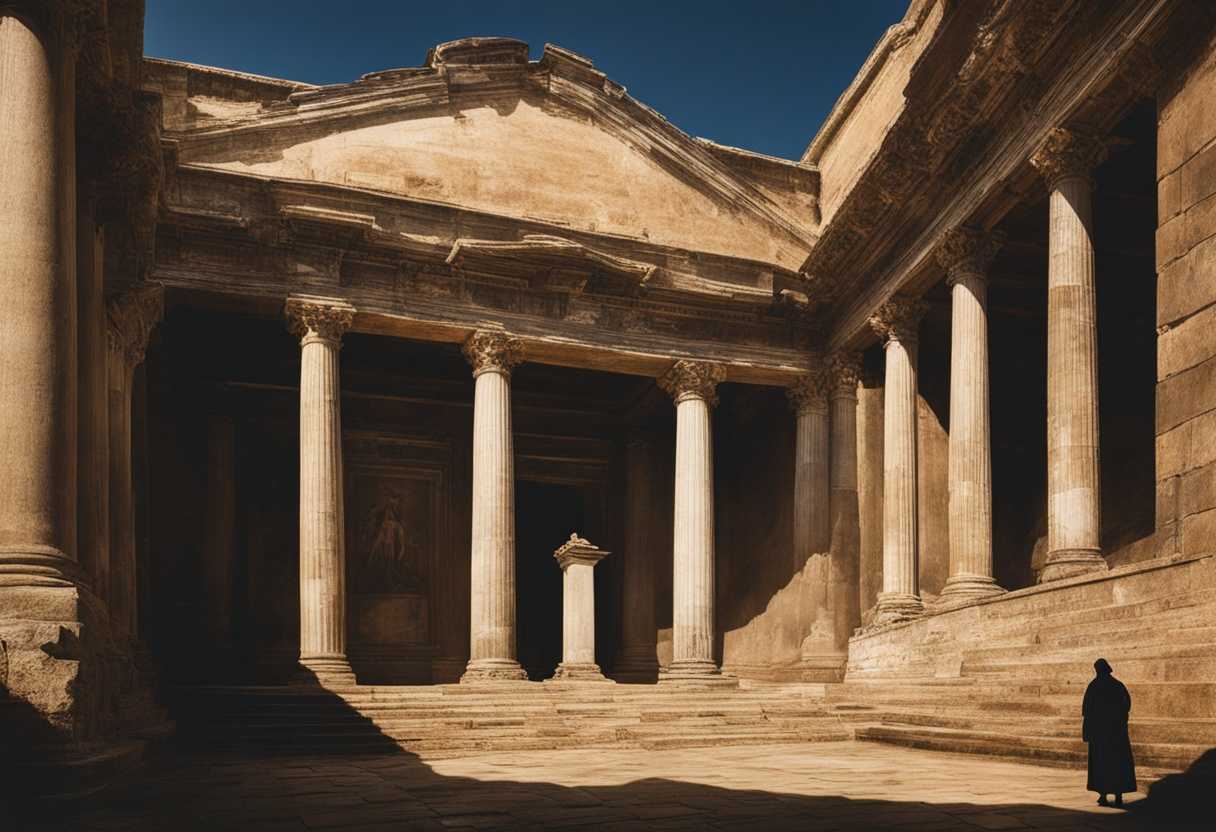
In 2 Kings chapter 23, we find King Josiah of Judah leading a significant religious reform. The verse in question mentions the high places that Solomon, the king of Israel, had built for Ashtoreth, the abomination of the Sidonians, Chemosh, the abomination of Moab, and Milcom, the abomination of the Ammonites. King Josiah is in the process of purging the land of these pagan altars and idols as part of his efforts to bring Judah back to the worship of the one true God.
The scene is set in the hill country of Judah, where King Josiah and his officials have gathered to oversee the destruction of these pagan high places. The king’s determination to cleanse the land of idolatry has brought together priests, Levites, and other faithful followers of Yahweh to assist in this monumental task. The air is filled with the sound of hammers striking idols, the crackling of flames consuming altars, and the prayers of the people seeking forgiveness and renewal of their covenant with God.
As the sun sets over the rugged landscape, the scene is one of both destruction and renewal. King Josiah’s actions are a bold statement of his commitment to following God’s commandments and leading his people in righteousness. The people of Judah are witnessing a pivotal moment in their history, as they turn away from the false gods of their neighbors and rededicate themselves to the worship of the God of Abraham, Isaac, and Jacob.
What is 2 Kings 23:13 about?
Destroying altars dedicated to pagan gods in this verse signifies a powerful symbol of cleansing and purification. Dismantling these altars rids the land of any influence or presence of other gods, ensuring its sole dedication to the one true God. This action is an assertion of the superiority and exclusivity of worship towards the God of the Bible.
Imagine the significance of removing these altars in a society where pagan worship was prevalent. The destruction of these altars not only physically removed a place of false worship but also spiritually cleansed the land, preparing it to be consecrated solely to the worship of the one true God. It serves as a reminder of the importance of devotion and faithfulness in serving God, without allowing any form of idolatry to take root. This verse teaches the lesson of devotion, loyalty, and the need to prioritize worship towards God above all else.
Understanding what 2 Kings 23:13 really means
In the historical account of King Josiah’s reforms in Judah, 2 Kings 23:13 stands out as a poignant reminder of the importance of maintaining true worship practices. Josiah’s dedication to purifying the worship of the Israelites from idolatry serves as a model for believers today. The verse specifically addresses the defilement of high places constructed by Solomon for foreign gods, shedding light on the pervasive influence of idol worship in the nation.
Solomon’s construction of high places for Chemosh and Molech, as mentioned in 1 Kings 11:7-8, led Israel astray into idolatry. Josiah’s commitment to following the ways of David, as seen in 2 Kings 22:1-2, exemplifies a steadfast devotion to Yahweh. Deuteronomy 12:2-3 further reinforces the command to eradicate all remnants of idol worship, emphasizing the need for a complete spiritual cleansing.
The relevance of this verse extends to contemporary believers, urging introspection on modern-day idols that may hinder genuine worship. Just as Josiah defiled the high places, we are called to identify and eliminate distractions that impede our spiritual growth. Imagine someone recognizing the negative impact of excessive social media use on their relationships and spiritual life, mirroring Josiah’s resolve to prioritize meaningful interactions and spiritual practices over worldly distractions.
The phrase “defiled the high places” signifies a deliberate rejection of false worship and a commitment to purity. By defiling the places built by Solomon, Josiah symbolically breaks away from entrenched idolatrous practices, demonstrating the courage to challenge even revered traditions. The mention of specific deities like Ashtoreth, Chemosh, and Milcom underscores the depth of idolatry that had infiltrated Israel, emphasizing the thorough cleansing required for spiritual renewal.
For believers today, the verse prompts reflection on personal “high places” that may need to be defiled to draw closer to God. It encourages a critical examination of past influences and traditions that may not align with true worship, prompting a reevaluation and adjustment where necessary. Embracing Josiah’s boldness and determination in effecting significant changes for spiritual revival inspires us to confront and eliminate anything that hinders our relationship with God.
How can we ensure we are not practicing idolatry?
To ensure we are not practicing idolatry, we should be mindful of our worship and devotion. This means being aware of where we place our reverence and ultimate loyalty. We can guard against worshiping false gods or idols by focusing our adoration and submission solely on God. It is important to constantly evaluate our beliefs and actions to ensure they align with the teachings of our faith, steering clear of anything that may lead us astray from true worship.
Additionally, cultivating a deep understanding of the teachings of our faith can help us discern between what is acceptable reverence and what constitutes idolatry. We can navigate potential pitfalls that may tempt us towards idolatrous practices by staying grounded in the principles and values of our religion. Seeking guidance from spiritual leaders and engaging in regular reflection and prayer can also provide us with the strength and clarity needed to resist the lure of idol worship. We can ensure that our worship remains pure and free from idolatry by keeping our hearts and minds devoted to God and maintaining a steadfast commitment to following His commandments. Through vigilance, self-awareness, and a strong connection to our faith, we can safeguard ourselves against inadvertently veering into idolatrous practices and maintain a sincere and unwavering devotion to the one true God.
Application
Just as Josiah purged the idols from the temple, let us clear our hearts of anything that obstructs our connection with God. In this fast-paced world, let’s make time to declutter our souls and cultivate a pure relationship with the divine. Are you ready to clean your spiritual house and embrace a deeper, more fulfilling spiritual journey today?

Reverend Michael Johnson is an experienced Church Minister with a profound expertise in spirituality and guidance. With a serene presence and a compassionate heart, he has faithfully served his congregation for over 20 years, leading them on a spiritual journey towards inner peace and enlightenment. Reverend Johnson’s extensive knowledge of religious philosophies and profound understanding of human nature have made him a trusted confidant and mentor to many, as he seamlessly weaves his profound wisdom into life teachings. Reverend Johnson’s calming demeanor and empathetic nature continue to uplift and heal souls, nurturing a sense of unity and tranquility within his community.