
2 Kings 4:18-25 is about the faithfulness of the Shunammite woman in seeking guidance from Elisha to find her son who had fallen ill and died, illustrating the power of faith and prayer in times of desperation and loss.
18 When the child had grown, he went out one day to his father among the reapers.
19 But he said to his father, “My head, my head!” So he said to his servant, “Carry him to his mother.”
20 So he picked him up and brought him to his mother. And the child sat on her lap till noon, and then he died.
21 And she went up and laid him on the bed of the man of God and shut the door behind him and went out.
22 She called to her husband and said, “Send me one of the servants and one of the donkeys, that I may quickly go to the man of God and come back again.”
23 So he said, “Why will you go to him today? It is neither new moon nor Sabbath.” She said, “All is well.”
24 Then she saddled the donkey, and said to her servant, “Urge the animal on; do not slacken the pace for me unless I tell you.”
25 So she set out and came to the man of God at Mount Carmel.
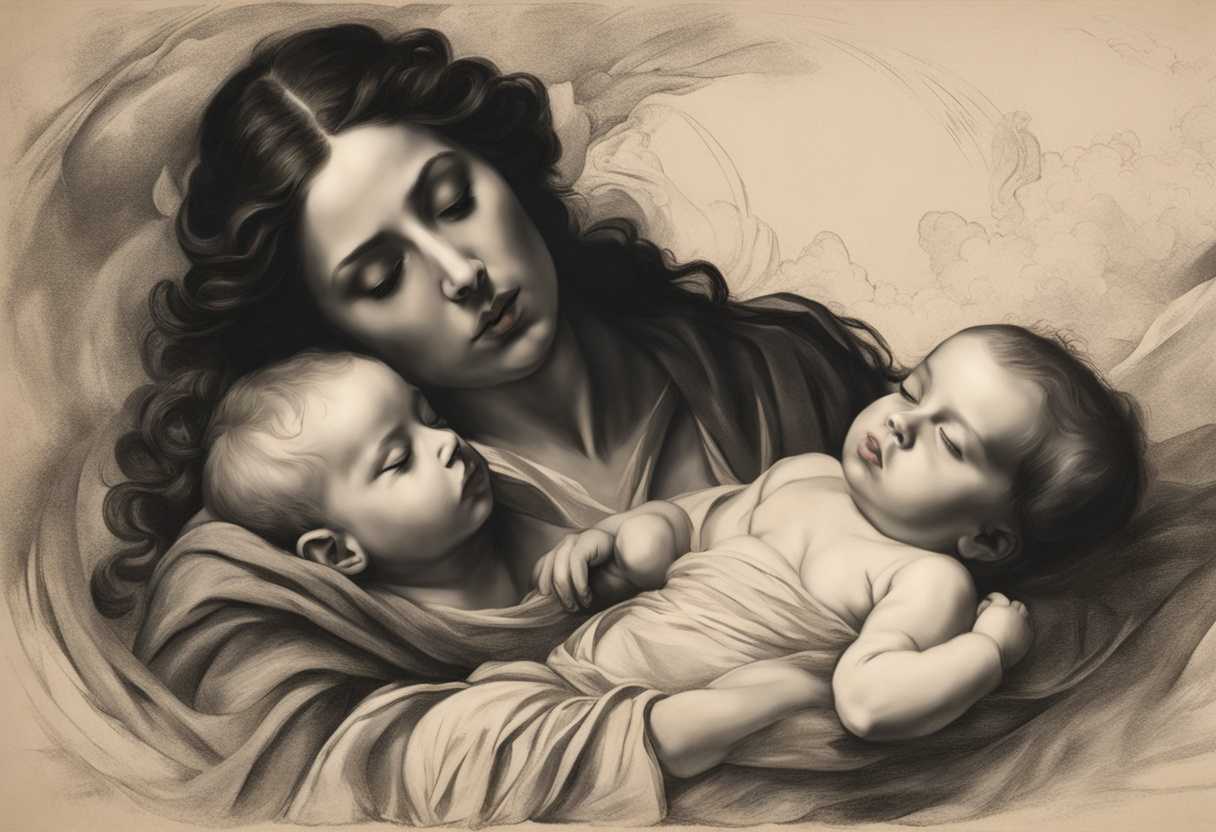
Setting the Scene for 2 Kings 4:18-25
In 2 Kings 4:18-25, we find a poignant scene unfolding in the home of the prophet Elisha. The story revolves around a wealthy Shunammite woman and her husband, who had shown great hospitality to Elisha by providing him with a room in their home whenever he passed through their town. As a token of gratitude for their kindness, Elisha had promised the couple a son, despite their old age and the woman’s infertility.
The scene takes place in the room that the Shunammite woman had prepared for Elisha, a space filled with warmth and gratitude. The couple’s promised son suddenly falls ill and dies in his mother’s arms. Distraught and desperate, the Shunammite woman lays her son on Elisha’s bed and rushes to find the prophet. Elisha, upon hearing the news, sends his servant Gehazi ahead with his staff to lay it on the boy’s face, but the child remains lifeless. The Shunammite woman refuses to leave Elisha’s side, insisting that he come and heal her son personally.
The atmosphere in the room is heavy with grief and faith as Elisha arrives and prays to the Lord, stretching himself out over the boy’s body. Through God’s power, the child is miraculously revived, and Elisha presents him alive to his mother. The scene is a powerful testament to the faith and perseverance of the Shunammite woman, as well as the miraculous works that God performs through his prophets.
What is 2 Kings 4:18-25 about?
This powerful verse from 2 Kings 4:32-35 illustrates the miraculous work of the prophet Elisha through the power of prayer. Elisha’s request to God for the child’s life demonstrates his deep faith and connection to the divine. Despite the child’s passing, Elisha does not lose hope but instead turns to prayer as a means to restore life. Through this act, Elisha showcases the belief that with God, all things are possible, even the restoration of life itself. Faith and prayer have a profound impact in transforming seemingly hopeless situations into miracles as we reflect on this verse. Elisha’s unwavering trust in God serves as a lesson for us all, encouraging us to turn to prayer in times of despair and to have faith that God can bring about resurrection and new life, even in the face of death. This story challenges us to consider the power of prayer in our own lives and to trust in the divine intervention that can bring about unexpected and extraordinary outcomes.
Understanding what 2 Kings 4:18-25 really means
The passage in 2 Kings 4:18-25 recounts the poignant narrative of the Shunammite woman’s son, who was bestowed upon her by God’s grace through the prophet Elisha. The child, after growing up, unexpectedly falls ill and tragically passes away, prompting the woman to seek out Elisha in her distress. This account underscores the themes of faith and determination, as the woman embarks on a journey to find Elisha, firmly believing in his ability to restore her son to life.
One key phrase, “When the child had grown,” signifies the passage of time and the fulfillment of God’s promise to the Shunammite woman, highlighting the divine timing of events. The child’s sudden cry, “My head, my head!” symbolizes unforeseen trials and suffering that can abruptly enter our lives, challenging our faith and resolve. The woman’s swift actions, instructing her servant to hasten without delay, reflect her urgency, unwavering determination, and profound faith in seeking divine intervention through Elisha.
In Hebrews 11:35, the New Testament echoes the miraculous restoration of the dead to life, emphasizing the role of faith and God’s miraculous deeds. Similarly, James 5:15 underscores the significance of faith and prayer in invoking God’s healing and restoration. These passages reinforce the timeless message of relying on faith and prayer in times of need.
The relevance of this story resonates with contemporary audiences, reminding individuals of the enduring importance of faith and persistence amidst life’s unexpected challenges. In a world fraught with uncertainties and trials, the narrative offers solace by affirming God’s omnipotence and His capacity to perform miracles, even in the direst circumstances.
Consider a modern-day parallel where a mother, faced with her child’s grave illness, exemplifies unwavering faith and relentless prayer, akin to the Shunammite woman. Despite the grim prognosis, her steadfast belief in God’s power and her relentless pursuit of healing for her child mirror the actions of the biblical figure. Ultimately, the child’s recovery becomes a testament to the mother’s faith and God’s intervention in her life.
In conclusion, the story of the Shunammite woman in 2 Kings 4:18-25 stands as a timeless testament to the potency of faith, prayer, and divine intervention. It urges believers to maintain steadfast faith in God, even amidst daunting trials, and to trust in His ability to orchestrate miraculous outcomes. This narrative serves as a beacon of hope, inspiring individuals to persevere in faith and seek God’s intervention in all circumstances.
How do we respond when God’s promises seem delayed?
When we feel like God’s promises have been delayed, it’s important to remember that His timing is perfect and He is always faithful to fulfill what He has promised. Just because we may not see immediate results or understand why things are taking longer than expected, doesn’t mean that God has forgotten about us or His promises to us. We must trust that He is working behind the scenes and orchestrating things according to His plan. The woman in the story referenced in 2 Kings 4:18-25 was promised a son by Elisha, but when the child fell ill and died, she faced the reality of the delay in the fulfillment of God’s promise. However, Elisha’s actions to revive the child and bring him back to life show us that God’s promises are never too late to be fulfilled. Sometimes God allows delays to test our faith and trust in Him, but ultimately He will come through in His perfect timing.
So when we are faced with delays in God’s promises, let us hold on to our faith, continue to pray and seek Him, and trust that His timing is always best. We too can rest assured that God will come through for us at the right time, just as the woman in the story received the fulfillment of God’s promise.
Application
Dear friend,
Step into the story of the Shunammite woman and feel her unwavering trust in the face of desperation. Just like her, approach your challenges with boldness and faith, believing in God’s power to perform miracles in your life. Let this account ignite a fire within you to seek God fearlessly, with unwavering faith in His ability to do the impossible. Will you rise to the challenge and trust in God wholeheartedly, leaving doubt behind and embracing His unlimited power in your life?

Reverend Michael Johnson is an experienced Church Minister with a profound expertise in spirituality and guidance. With a serene presence and a compassionate heart, he has faithfully served his congregation for over 20 years, leading them on a spiritual journey towards inner peace and enlightenment. Reverend Johnson’s extensive knowledge of religious philosophies and profound understanding of human nature have made him a trusted confidant and mentor to many, as he seamlessly weaves his profound wisdom into life teachings. Reverend Johnson’s calming demeanor and empathetic nature continue to uplift and heal souls, nurturing a sense of unity and tranquility within his community.