
1 In the first year of Cyrus king of the Persians, that the word of the Lord by the mouth of Jeremiah might be accomplished, the Lord stirred up the spirit of Cyrus king of the Persians, so that he made a proclamation throughout all his kingdom and also put it in writing:
2 May God do good to you, and may he remember his covenant with Abraham, Isaac, and Jacob, his faithful servants.
3 May God do good to you, and may he remember his covenant with Abraham, Isaac, and Jacob, his faithful servants.
4 And when the feast of Pentecost came, they all offered sacrifices.
5 May he open your hearts to his law and his commandments, and may he bring peace.
6 And the Lord heard their prayers, and looked upon their distress; for the people fasted many days throughout Judea and in Jerusalem before the sanctuary of the Lord Almighty.
7 And they also brought the fire that was struck from the altar to light the lamps in the temple of the Lord.
8 And the fire came down from heaven and consumed the burnt offering, and the sacrifices, and the fat pieces on the altar, and when the people saw it, they fell on their faces and said, “The Lord, he is God; the Lord, he is God.”
9 And when he had gathered about ninety thousand foot soldiers and twelve thousand horsemen, he crossed the Euphrates River and went through the upper provinces.
10 And when the leaders of the army of Antiochus saw the strength of the forces, they took fright and fled, while the army of Judas pursued them.
11 In those days it happened that a large number of men escaped from the Gentiles and went to the king, saying, “Judas and his brothers have destroyed all your enemies, and now they have driven us out from our land.”
12 When he had finished his prayer, fire came down from heaven and consumed the burnt offering and the sacrifices, and the glory of the Lord filled the temple.
13 And when the matter became known and it was reported to the king of the Persians that in the place where the exiled priests had hidden the fire, a liquid had been found with which Nehemiah and his associates had purified the sacrifices.
14 And when the sacred vessels of the temple of the Lord were taken away, and the temple was profaned.
15 And when the priests had set out the sacrifices, Nehemiah commanded the wood to be sprinkled with the water with which the things had been burned.
16 May he give you wisdom in your hearts to pray to him, and may he grant you peace.
17 He opened his mouth to pray and made this confession:
18 And the story of Nicanor has come to an end.
19 For when our fathers were being led captive to Persia, the pious priests of that time took some of the fire of the altar and hid it in the hollow of a dry cistern, where they made a firm resolution never to disclose it to anyone.
20 When the matter became known and it was reported to the king of the Persians that in the place where the exiled priests had hidden the fire, a liquid had been found with which Nehemiah and his associates had purified the sacrifices.
21 And they seized the holy vessels of the house of the Lord and carried them off to the land of a foreign nation, turning them over to strangers.
22 And the story of the fire had spread to the king Nebuchadnezzar, and had been preserved in the records of the prophet Daniel.
23 And the sanctuary was laid waste like a wilderness; her feasts were turned into mourning, her sabbaths into a reproach, her honor into contempt.
The prayer was as follows: “O Lord, Lord God, Creator of all things, you are awe-inspiring and strong and just and merciful, you alone are king and are kind,
25 May he give you wisdom of heart to govern his people in righteousness, that their prosperity may be according to the law of Moses, and may he confirm his mercy upon you.”
26 “Therefore, we have been sacrificing and offering incense and lighting the lamps and setting out the bread.”
27 “Gather together our scattered people, set free those who are slaves among the Gentiles, look on those who are rejected and despised, and let the Gentiles know that you are our God.”
28 After the prayer, fire came down from heaven and consumed the burnt offering, and when the sacrifice was finished, Nehemiah and his associates knelt down and prayed to the Lord Most High, and the great God who is the King over all showed his presence.
29 If you have not kept the covenant that you made with Moses the servant of the Lord, when he gave you the law on Mount Sinai, and if you have not obeyed his voice,
30 When the matter became known and it was reported to the king of the Persians that in the place where the exiled priests had hidden the fire, a liquid had been found with which Nehemiah and his associates had purified the sacrifices.
31 And when the matter became known and it was reported to the king of the Persians that in the place where the exiled priests had hidden the fire, a liquid had been found with which Nehemiah and his associates had purified the sacrifices.
32 And the story of the sacrifices was already spreading abroad among the Gentiles.
33 And when the matter became known and it was reported to the king of the Persians that in the place where the exiled priests had hidden the fire, a liquid had been found with which Nehemiah and his associates had purified the sacrifices.
2 And the story of Nicanor’s blasphemy is ended here.
35 May he open your hearts to his law and his commandments, and may he bring peace.
36 And Neemias called this thing Naphthar, which is as much as to say, a cleansing: but many men call it Nephi.
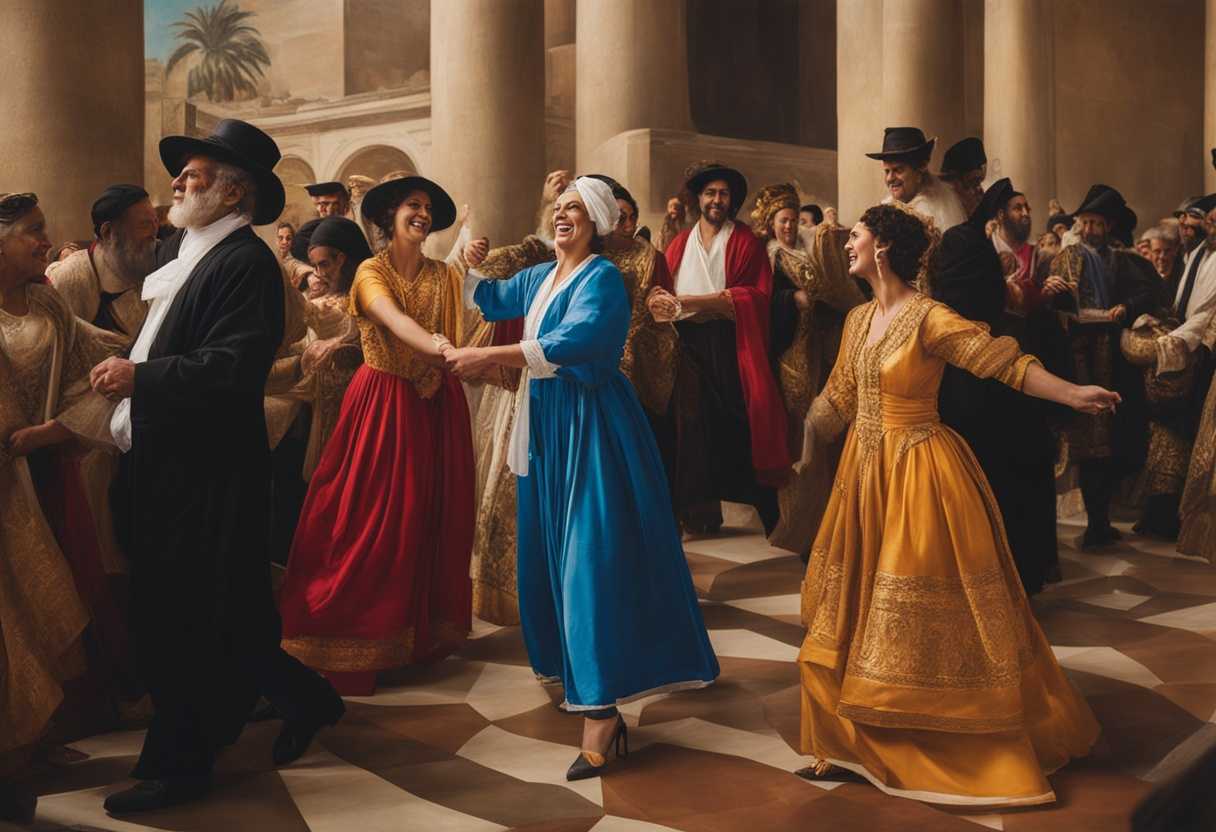
The True Meaning of 2 Maccabees 1
The Second Book of Maccabees was written by an anonymous Jewish historian, likely a contemporary of the events described. It provides a detailed account of the Maccabean Revolt against the Seleucid Empire in the 2nd century BC. The author addresses a letter to the Jewish community in Egypt in this chapter, recounting the rededication of the Temple in Jerusalem after it had been desecrated by the Seleucid king Antiochus IV Epiphanes. This event is celebrated as the festival of Hanukkah. The author also shares a miraculous story of the sacred fire being rekindled, foreshadowing the divine intervention that will be a central theme throughout the book.
The author draws parallels to the Exodus, reminding the readers of God’s past deliverance of his people. This sets the stage for the courageous stand of the Maccabees against religious persecution and their ultimate victory, which will be detailed in the chapters to come.
2 Maccabees 1:1-6
The passage in 2 Maccabees 1:1-6 begins with a letter from the prophet Jeremiah to the exiles in Babylon. Jeremiah addresses the exiles, urging them to remember the covenant that God made with them and to have faith that God will not forsake them. This letter serves as a reminder of God’s faithfulness and the importance of staying true to the covenant, even in times of exile and hardship.
Jeremiah, a significant prophet in the Hebrew Bible, is known for his prophecies of the fall of Jerusalem and the exile of the Israelites to Babylon. He also prophesied about the restoration of the Israelites and the coming of a new covenant with God. Jeremiah’s message in this letter reinforces the idea of God’s faithfulness even in difficult times, encouraging the exiles to hold onto their faith and trust in God’s promises.
The letter goes on to recount how the Babylonian exile came to an end and how the exiles returned to Jerusalem and rebuilt the temple. This historical context is crucial in understanding the significance of God’s deliverance and faithfulness to His people throughout their history. The rebuilding of the temple symbolizes restoration, renewal, and the fulfillment of God’s promises to His people.
The passage also mentions how Nehemiah, a key figure in the restoration of Jerusalem, gathered the sacred fire from the altar and hid it in a dry cistern. This act symbolizes the preservation of the sacred flame and the continuity of worship, even in exile and times of trouble. Nehemiah’s actions demonstrate his dedication to upholding the worship of God and preserving the traditions of the faith.
The reference to the sacred fire is reminiscent of the fire that came down from heaven to consume the sacrifices in the Old Testament, symbolizing God’s presence and acceptance of the offerings. This imagery highlights the importance of worship and sacrifice in the relationship between God and His people, emphasizing the need for reverence and devotion in the practice of faith. This passage from 2 Maccabees 1:1-6 emphasizes the themes of God’s faithfulness, deliverance, and the preservation of worship even in challenging circumstances. It serves as a reminder to readers of the enduring nature of God’s promises and the importance of maintaining faith and obedience to Him, even in the face of adversity. Through the stories of Jeremiah, the exiles in Babylon, and Nehemiah, the passage illustrates the timeless message of God’s faithfulness and the restoration of His people.
2 Maccabees 1:7-10
We can dissect several key sections in 2 Maccabees 1:7-10 to gain a deeper understanding of the passage.
Firstly, the passage describes a vision that the High Priest Onias had concerning a righteous man named Jeremiah and the preservation of the Jewish people. This vision holds immense significance as it ties in with the overarching theme of divine protection and guidance throughout the history of Israel. Jeremiah was a prominent prophet in the Old Testament who lived during the time of the fall of Jerusalem to the Babylonians. Through his prophecies, Jeremiah warned the people of Judah about their impending doom due to their disobedience to God. However, he also spoke of a future restoration and hope for the nation. The passage reminds readers of God’s faithfulness to His promises and His people by mentioning Jeremiah in this vision. This serves as a message of encouragement and assurance that even in times of trouble, God is still in control and working out His plans for His chosen people.
The passage also addresses the exile of the Jewish people to Babylon as a consequence of their disobedience to God’s commandments. This exile is a recurring theme in the Bible, emphasizing the importance of obedience and the consequences of turning away from God. Throughout the Old Testament, we see how the exile was a pivotal moment in the history of Israel, teaching them important lessons about repentance, faithfulness, and the consequences of sin. This serves as a timeless message for readers to reflect on their own lives and consider the significance of remaining steadfast in their faith and obedience to God. The mention of the purification of the altar and the restoration of sacrifices after the exile highlights the importance of worship and obedience in the life of the Israelites. The altar was central to the sacrificial system in Judaism, serving as a place of atonement for sins and a symbol of God’s presence among His people. The restoration of the altar signified a renewal of the covenant relationship between God and His people, emphasizing the need for repentance, forgiveness, and the offering of sacrifices. This ritual was a constant reminder for the Israelites to remain faithful to God and to seek reconciliation with Him. 2 Maccabees 1:7-10 offers a rich tapestry of historical events, prophetic visions, and theological themes that speak to the enduring message of God’s faithfulness, the consequences of sin, the need for repentance, and the importance of worship and obedience. Readers can glean valuable insights into the complex tapestry of the biblical narrative and draw timeless lessons for their own spiritual journey by delving into the significance of these sections.
2 Maccabees 1:11-17
Several key sections can be identified in 2 Maccabees 1:11-17. Firstly, we have a reference to the deportation of the Israelites to Babylonia as a punishment for their sins. This historical event is significant as it marked a period of exile for the Israelites due to their disobedience to God. The Babylonian exile, as mentioned in the verse, serves as a reminder of the consequences of turning away from God and breaking His commandments. It emphasizes the theme of repentance and the need for reconciliation with God, as seen in the subsequent sections of the passage.
The passage goes on to describe the return of the Israelites from Babylonia to Jerusalem under the leadership of Nehemiah. This return marked a period of restoration and renewal for the Israelites, as they sought to rebuild Jerusalem and reestablish their relationship with God. Nehemiah played a pivotal role in this process, as he led the efforts to rebuild the walls of Jerusalem and restore the worship of God in the city. His leadership highlights the importance of faith and perseverance in the face of adversity, as well as the power of collective action in achieving God’s purposes.
Furthermore, the passage mentions the offering of sacrifices on the altar by Nehemiah. This act of worship and atonement signifies the importance of offering sacrifices to God as a way of seeking forgiveness for sins and restoring a right relationship with Him. It underscores the concept of atonement and the need for repentance in order to receive God’s mercy and grace. The sacrifices offered by Nehemiah were a tangible expression of his faith and devotion to God, serving as a model for believers to follow in seeking reconciliation with God. Themes of repentance, restoration, and faithfulness are central to the narrative of God’s relationship with His people in the broader context of the Bible. The story of the Israelites’ exile and return serves as a powerful illustration of the consequences of sin and the redemptive power of God’s mercy. It reminds readers of the importance of obedience to God’s commands and the need for genuine repentance in order to experience His forgiveness and blessing. The example of Nehemiah and his leadership also highlights the significance of individuals who are willing to stand up for their faith and lead others in righteousness, even in the face of opposition and challenges. 2 Maccabees 1:11-17 offers a rich account of historical events that carry timeless lessons for believers today. It encourages readers to reflect on the consequences of sin, the power of repentance, and the importance of faith in rebuilding broken relationships with God. Through the stories of the Israelites and Nehemiah, readers are inspired to seek reconciliation with God, offer worship and sacrifices in sincerity, and lead lives that honor and glorify Him.
2 Maccabees 1:18-22
2 Maccabees 1:18-22 states: “18 Anyhow, what happened was as follows. On the twenty-fifth of that same month, the heavenly King’s birthday was being celebrated. 19 Antiochus, now that he had entered Egypt, so he could rule the country, put it this way. 20 He thought that he had already found his fate in his hands, and that Egypt would come under his control. 21 But, it so happened that he was wrong. The Lord’s angel inflicted such a blow on him that he was forced to retire disgracefully to Antioch. 22 He came there to realize that this alone, if nothing else, was one more reason to fear the Lord: that seeing his own arrogance bring him down, he would always lean on the Lord, and so he would come to be afraid of the power of God Almighty. The passage mentions the celebration of the heavenly King’s birthday on the twenty-fifth of a particular month. This is likely a reference to a pagan celebration, possibly tied to the belief systems and customs of the people at the time. The mention of Antiochus, who had entered Egypt with the intention to rule the country, highlights his confidence and arrogance in believing that he would easily take control of Egypt. However, the text points out that he was wrong in his assumption.
The intervention of the Lord’s angel in inflicting a blow on Antiochus that caused him to retreat in disgrace to Antioch underscores the power and authority of God over the affairs of mankind. It serves as a reminder that no matter how powerful or prideful one may be, they are ultimately subject to the will of God. Antiochus’ experience here can be seen as a lesson in humility and the consequences of relying solely on one’s own strength and ambitions.
This passage aligns with the broader themes of the Bible regarding the importance of humility, faith in God, and the consequences of arrogance. Proverbs 16:18 states, “Pride goes before destruction, a haughty spirit before a fall.” This verse underscores the idea that arrogance and self-reliance can lead to downfall, while humility and dependence on God’s guidance can lead to wisdom and success. Antiochus’ story serves as a cautionary tale for readers to reflect on their own attitudes towards power, pride, and trust in God. These verses in 2 Maccabees serve to highlight the sovereignty of God and the folly of human pride. They remind us of the importance of acknowledging God’s authority in our lives and remaining humble in the face of our successes and ambitions. The story of Antiochus serves as a vivid illustration of the consequences of pride and the need to align our will with God’s will to avoid tragic outcomes.
2 Maccabees 1:23-29
The verses in 2 Maccabees 1:23-29 describe a vision that the high priest Onias had. The vision is significant as it involves the prophet Jeremiah. Onias had prayed fervently for the people of Israel when they were led into exile and the prophet Jeremiah was moved to pass on a gift to the Israelites. Jeremiah gave Onias a sacred fire which he commanded him to hide. However, the vision later reveals that this sacred fire had been found but regarded as ordinary with rains having extinguished it. Onias interpreted this to mean that God had not forgotten His people despite their disobedience.
This vision holds multiple layers of importance and relevance within the Biblical context. Firstly, it underscores the theme of God’s faithfulness and mercy towards His people even in times of their waywardness. The fact that the sacred fire was rediscovered symbolizes the hope for the restoration of the Israelites despite their past mistakes. This theme resonates throughout the Bible, as seen in verses like Lamentations 3:22-23 which speaks of the Lord’s steadfast love and mercies being new every morning. The involvement of the prophet Jeremiah in this vision links it to the broader narrative of Israel’s history and their relationship with God. Jeremiah was known as the weeping prophet and his life was intertwined with the message of impending judgment and the need for repentance. His act of passing on the sacred fire to Onias can be seen as a symbolic gesture of preserving the faith and hope of the Israelites even in the midst of challenges.
The disobedience of the Israelites leading to the extinguishing of the sacred fire serves as a cautionary tale about the consequences of forsaking God’s commandments. Throughout the Bible, there are numerous instances where the Israelites faced trials due to their disobedience but were ultimately shown mercy when they repented and turned back to God. This cycle of sin, punishment, repentance, and restoration is a recurring theme in the Old Testament and serves as a lesson for believers to remain faithful to God. The vision in 2 Maccabees 1:23-29 not only provides historical context regarding the actions of Onias and the prophet Jeremiah but also conveys timeless messages about God’s faithfulness, the consequences of disobedience, and the hope for restoration through repentance. It continues to resonate with readers as a reminder of God’s enduring love and the importance of remaining faithful even in the face of adversity.
2 Maccabees 1:30-36
The priests went forth as usual in their vestments to the sacrificial altar after the prayer, singing hymns of praise and hymns to the Lord for his marvelous deeds, by which he had shown his kindness, and they halloed the people with one accord in response.” This passage describes the priests carrying out their duties at the altar after a prayer, praising the Lord for His marvelous deeds and showing kindness to His people.
The act of the priests going forth to the sacrificial altar in their vestments and singing hymns of praise to the Lord is a powerful symbol of worship and devotion. It highlights the importance of ritual and ceremonial practices in expressing reverence and gratitude towards God. This reaffirms the significance of rituals in the religious life of the Israelites, as seen throughout the Old Testament in the various offerings and ceremonies prescribed by God to His people.
The reference to the priests singing hymns of praise for the Lord’s marvelous deeds is a reminder of the importance of acknowledging and celebrating God’s faithfulness and interventions in the lives of His people. Throughout the Bible, there are numerous instances of praise and thanksgiving for the Lord’s mighty works, such as in the Psalms where David and other psalmists extol God’s greatness and deliverance.
Furthermore, the mention of the priests hallowing the people with one accord in response emphasizes the communal aspect of worship and spiritual unity among the people of Israel. The unity in worship reflects the idea of the body of believers coming together to glorify God and express their faith collectively. This unity is a recurring theme in the Bible, emphasizing the importance of believers supporting and encouraging one another in their spiritual journeys, as mentioned in Hebrews 10:24-25. This passage in 2 Maccabees 1:30-36 underscores the themes of worship, gratitude, communal praise, and unity in faith. It serves as a reminder for believers to engage in acts of worship, praise God for His marvelous deeds, and come together in unity to honor Him. The actions of the priests in this passage set an example for believers to follow in their own worship practices and expressions of gratitude towards God for His faithfulness.
After 2 Maccabees 1
The people of Jerusalem had endured much suffering and oppression. Yet, through their faith and resilience, they had emerged victorious. A new dawn was on the horizon as the sun set on this chapter. The faithful would soon face new challenges, but they knew that with God’s guidance, they would overcome. For the Lord had not abandoned His people, and His light would continue to shine, even in the darkest of times.

Reverend Michael Johnson is an experienced Church Minister with a profound expertise in spirituality and guidance. With a serene presence and a compassionate heart, he has faithfully served his congregation for over 20 years, leading them on a spiritual journey towards inner peace and enlightenment. Reverend Johnson’s extensive knowledge of religious philosophies and profound understanding of human nature have made him a trusted confidant and mentor to many, as he seamlessly weaves his profound wisdom into life teachings. Reverend Johnson’s calming demeanor and empathetic nature continue to uplift and heal souls, nurturing a sense of unity and tranquility within his community.