
2 Maccabees 10:9-13 is about the Jewish people celebrating the cleansing and rededication of the temple after it had been defiled by foreign invaders, symbolizing the restoration of faith and worship in the face of persecution.
9 And they kept the eight days with gladness, as in the feast of the booths, remembering how not long before, during the feast of the booths, they had been wandering in the mountains and caves like wild animals.
10 And they decreed by public edict, written in this manner, to be sent to all the provinces, that they should observe annually the fourteenth and fifteenth days of the month of Adar.
11 It was the day on which the Gentiles had intended to kill the Jews, but the Jews got the upper hand over their enemies.
12 And they all joined in a prayer of supplication, asking that the sin that had been committed might be wholly blotted out.
13 And they kept the eight days with gladness, as in the feast of the booths, remembering how not long before, during the feast of the booths, they had been wandering in the mountains and caves like wild animals.
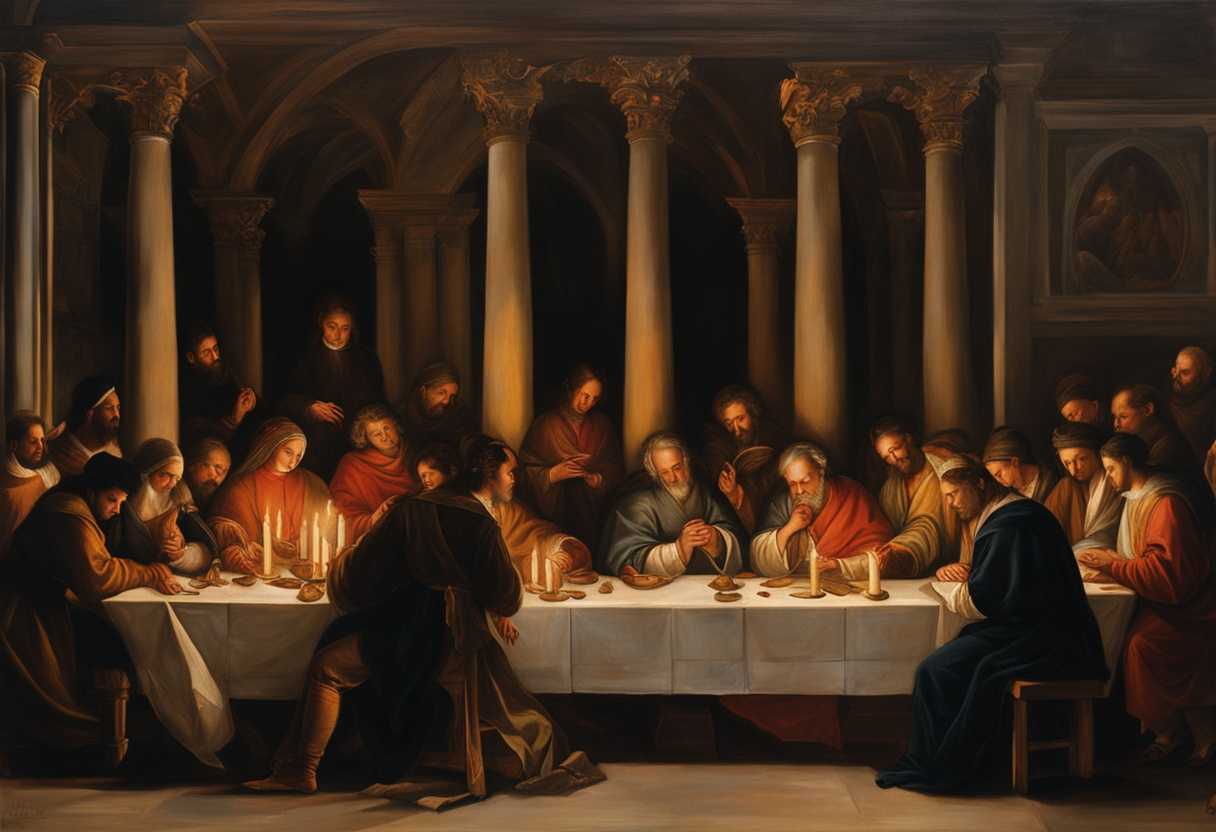
Setting the Scene for 2 Maccabees 10:9-13
The scene in 2 Maccabees chapter 10 is set in Jerusalem during the time of the Maccabean Revolt. Judas Maccabeus and his brothers have successfully defeated the Seleucid forces and reclaimed the city of Jerusalem. The temple, which had been desecrated by the Greeks, is now being purified and rededicated.
In this particular passage, Judas Maccabeus and his followers are celebrating the purification of the temple. They have gathered together to offer sacrifices and make offerings of thanksgiving to God for the victory and the restoration of the temple. The atmosphere is one of joy and gratitude as the people of Jerusalem come together to worship and give thanks for the deliverance they have experienced.
The surroundings are filled with the sounds of prayers and hymns, the smell of incense, and the sight of the temple being cleansed and adorned once again. Judas Maccabeus, a heroic figure in Jewish history, is leading the celebrations, surrounded by his brothers and fellow warriors who have fought bravely for the freedom of their people. The scene is a powerful reminder of the faith and resilience of the Jewish people in the face of oppression and their unwavering commitment to their religious beliefs.
What is 2 Maccabees 10:9-13 about?
The story of Judas Maccabeus purifying the temple and celebrating its rededication with joy and thanksgiving symbolizes the triumph of faith and perseverance in the face of adversity. It highlights the importance of standing firm in one’s beliefs, even when faced with challenges and oppression. Judas Maccabeus’ actions represent a powerful example of resilience and dedication to upholding religious traditions and values. Reflect on the significance of finding strength in your beliefs and traditions as you consider this verse, even when it may seem difficult or daunting. What can we learn from Judas Maccabeus’ unwavering commitment to purifying the temple and celebrating its rededication? How can we apply these principles of faith, perseverance, and joy in our own lives, especially in times of struggle or hardship? Let this powerful example inspire you to stay true to your convictions and find reasons to celebrate and give thanks, even amidst challenges.
Understanding what 2 Maccabees 10:9-13 really means
During the tumultuous period of the Maccabean Revolt, the Jewish people found themselves in a fierce struggle for religious freedom against the oppressive Seleucid Empire. At the heart of this resistance were figures like Judas Maccabeus and his followers, who led the charge in reclaiming their sacred traditions and beliefs.
One of the pivotal moments in this narrative is the purification of the temple in Jerusalem, a symbolic act of restoring the Jewish identity that had been desecrated by foreign rulers. The phrase “purified the temple” carries profound significance, representing not just a physical cleansing but a spiritual renewal for the Jewish community. It speaks to the resilience and determination of a people fighting to preserve their faith and heritage.
The mention of “great joy” in the passage captures the overwhelming sense of relief and happiness that swept through the Jewish people upon reclaiming their temple. This joy was not merely a fleeting emotion but a testament to the enduring power of faith and community in times of trial. It serves as a reminder of the profound impact that collective celebration and unity can have in bolstering spirits and fostering resilience.
The reference to “eight days” alludes to the celebration of Hanukkah, a festival commemorating the rededication of the temple. This period of remembrance and gratitude underscores the importance of honoring traditions and acknowledging the blessings that come from perseverance and faith. It serves as a beacon of hope and inspiration for individuals facing their own challenges in the present day.
Drawing parallels to other biblical passages, such as 1 Maccabees 4:36-59 and John 10:22-23, we see a continuity of themes surrounding dedication, faith, and divine presence. These connections highlight the interconnectedness of biblical narratives and the enduring relevance of their messages across different historical contexts.
In our contemporary world, the lessons from 2 Maccabees 10:9-13 resonate deeply. They remind us of the power of faith to sustain us in times of adversity and the importance of coming together as a community to celebrate victories, no matter how small. The passage serves as a timeless beacon of hope, urging readers to find strength in their beliefs and to cherish the bonds of unity that bring joy and renewal in the face of challenges.
Consider a scenario where a community rebuilds a church after a natural disaster, akin to the events in 2 Maccabees. The shared effort and eventual celebration mirror the themes of faith, resilience, and communal joy found in the passage. This anecdote illustrates how the principles embodied in ancient texts continue to inspire and guide us in navigating the trials and triumphs of our own lives.
In conclusion, the passage from 2 Maccabees 10:9-13 offers enduring lessons on faith, community, and the transformative power of overcoming adversity. It calls on readers to draw strength from their beliefs, to find solace in the support of others, and to rejoice in the victories, both personal and communal, that come from perseverance and unity.
How can we remain faithful during times of suffering?
During times of suffering, we can remain faithful by relying on the hope and promise of God’s deliverance. We can trust in God’s faithfulness to see us through our trials and to ultimately bring about a resolution to our suffering. We can find strength and perseverance to endure even the most challenging circumstances by keeping our focus on God’s faithfulness and trusting in His plan.
Additionally, we can remain faithful during times of suffering by turning to prayer and seeking comfort in our relationship with God. Through prayer, we can pour out our hearts, express our fears and anxieties, and find solace in God’s presence. Maintaining a consistent prayer life can cultivate a sense of peace and trust in God’s love and provision, even in the midst of hardship.
Lastly, we can remain faithful during suffering by holding onto the belief that God’s purposes are ultimately for our good, even if we cannot see it in the moment. We can find the strength to persevere and trust that God will bring about redemption and healing in His perfect timing by having faith that God is working all things together for His glory and our benefit.
Application
Just as the Maccabean soldiers purified the temple, let us cleanse our hearts to strengthen our bond with the Divine. It’s time to rid our lives of impurities that cloud our connection with God. Let’s renew our commitment to serve with purity in our thoughts, words, and deeds. Will you answer the call to spiritual revitalization and embrace a life that resonates with the Almighty’s glory?

Reverend Michael Johnson is an experienced Church Minister with a profound expertise in spirituality and guidance. With a serene presence and a compassionate heart, he has faithfully served his congregation for over 20 years, leading them on a spiritual journey towards inner peace and enlightenment. Reverend Johnson’s extensive knowledge of religious philosophies and profound understanding of human nature have made him a trusted confidant and mentor to many, as he seamlessly weaves his profound wisdom into life teachings. Reverend Johnson’s calming demeanor and empathetic nature continue to uplift and heal souls, nurturing a sense of unity and tranquility within his community.