
1 After this Absalom got himself a chariot and horses, and fifty men to run before him.
2 And Absalom used to rise early and stand beside the way of the gate. And when any man had a dispute to come before the king for judgment, Absalom would call to him and say, “From what city are you?” And when he said, “Your servant is of such and such a tribe in Israel,”
3 And Absalom would say to him, “See, your claims are good and right, but there is no man designated by the king to hear you.”
4 Then Absalom would say, “Oh that I were judge in the land! Then every man with a dispute or cause might come to me, and I would give him justice.”
5 And whenever a man came near to pay homage to him, he would put out his hand and take hold of him and kiss him.
6 And on this manner did Absalom to all Israel who came to the king for judgment. So Absalom stole the hearts of the men of Israel.
7 And at the end of four years Absalom said to the king, “Please let me go and pay my vow, which I have vowed to the Lord, in Hebron.
8 For your servant vowed a vow while I lived at Geshur in Aram, saying, ‘If the Lord will indeed bring me back to Jerusalem, then I will offer worship to the Lord.’”
9 And the king said to him, “Go in peace.” So he arose and went to Hebron.
10 But Absalom sent secret messengers throughout all the tribes of Israel, saying, “As soon as you hear the sound of the trumpet, then say, ‘Absalom is king at Hebron!’”
11 With Absalom went two hundred men from Jerusalem who were invited guests, and they went in their innocence and knew nothing.
12 And while Absalom was offering the sacrifices, he sent for Ahithophel the Gilonite, David’s counselor, from his city Giloh. And the conspiracy grew strong, and the people with Absalom kept increasing.
13 And a messenger came to David, saying, “The hearts of the men of Israel have gone after Absalom.”
14 Then David said to all his servants who were with him at Jerusalem, “Arise, and let us flee, or else there will be no escape for us from Absalom. Go quickly, lest he overtake us quickly and bring down ruin on us and strike the city with the edge of the sword.”
15 And the king’s servants said to the king, “Behold, your servants are ready to do whatever my lord the king decides.”
16 And the king went out, and all his household after him. And the king left ten concubines to keep the house.
17 And the king went out, and all his household after him. And the king left ten concubines to keep the house.
18 And all his servants passed by him, and all the Cherethites, and all the Pelethites, and all the six hundred Gittites who had followed him from Gath, passed on before the king.
19 Then the king said to Ittai the Gittite, “Why do you also go with us? Go back and stay with the king, for you are a foreigner and also an exile from your home.
20 You came only yesterday, and shall I today make you wander about with us, since I go I know not where? Go back and take your brothers with you, and may the Lord show steadfast love and faithfulness to you.”
21 But Ittai answered the king, “As the Lord lives, and as my lord the king lives, wherever my lord the king shall be, whether for death or for life, there also will your servant be.”
22 And David said to Ittai, “Go then, pass on.” So Ittai the Gittite passed on with all his men and all the little ones who were with him.
23 And all the land wept aloud as all the people passed by, and the king crossed the brook Kidron, and all the people passed on toward the wilderness.
24 And Abiathar came up, and behold, Zadok came also with all the Levites, bearing the ark of the covenant of God. And they set down the ark of God until the people had all passed out of the city.
25 Then the king said to Zadok, “Carry the ark of God back into the city. If I find favor in the eyes of the Lord, he will bring me back and let me see both it and his dwelling place.
26 But if he says, ‘I have no pleasure in you,’ behold, here I am, let him do to me what seems good to him.”
27 The king also said to Zadok the priest, “Are you not a seer? Go back to the city in peace, with your two sons, Ahimaaz your son, and Jonathan the son of Abiathar.
28 See, I will wait at the fords of the wilderness until word comes from you to inform me.
29 So Zadok and Abiathar carried the ark of God back to Jerusalem, and they remained there.
30 But David went up the ascent of the Mount of Olives, weeping as he went, barefoot and with his head covered. And all the people who were with him covered their heads, and they went up, weeping as they went.
31 And it was told David, “Ahithophel is among the conspirators with Absalom.” And David said, “O Lord, please turn the counsel of Ahithophel into foolishness.”
32 While David was coming to the summit, where God was worshiped, behold, Hushai the Archite came to meet him with his coat torn and dirt on his head.
33 And David said to him, “If you go on with me, you will be a burden to me.
34 But if you return to the city and say to Absalom, ‘I will be your servant, O king; as I have been your father’s servant in time past, so now I will be your servant,’ then you will defeat for me the counsel of Ahithophel.
35 Are not Zadok and Abiathar the priests with you there? So whatever you hear from the king’s house, tell it to Zadok and Abiathar the priests.
36 Behold, their two sons are with them there, Ahimaaz, Zadok’s son, and Jonathan, Abiathar’s son, and by them you shall send to me everything you hear.”
37 So Hushai, David’s friend, came into the city, just as Absalom was entering Jerusalem.
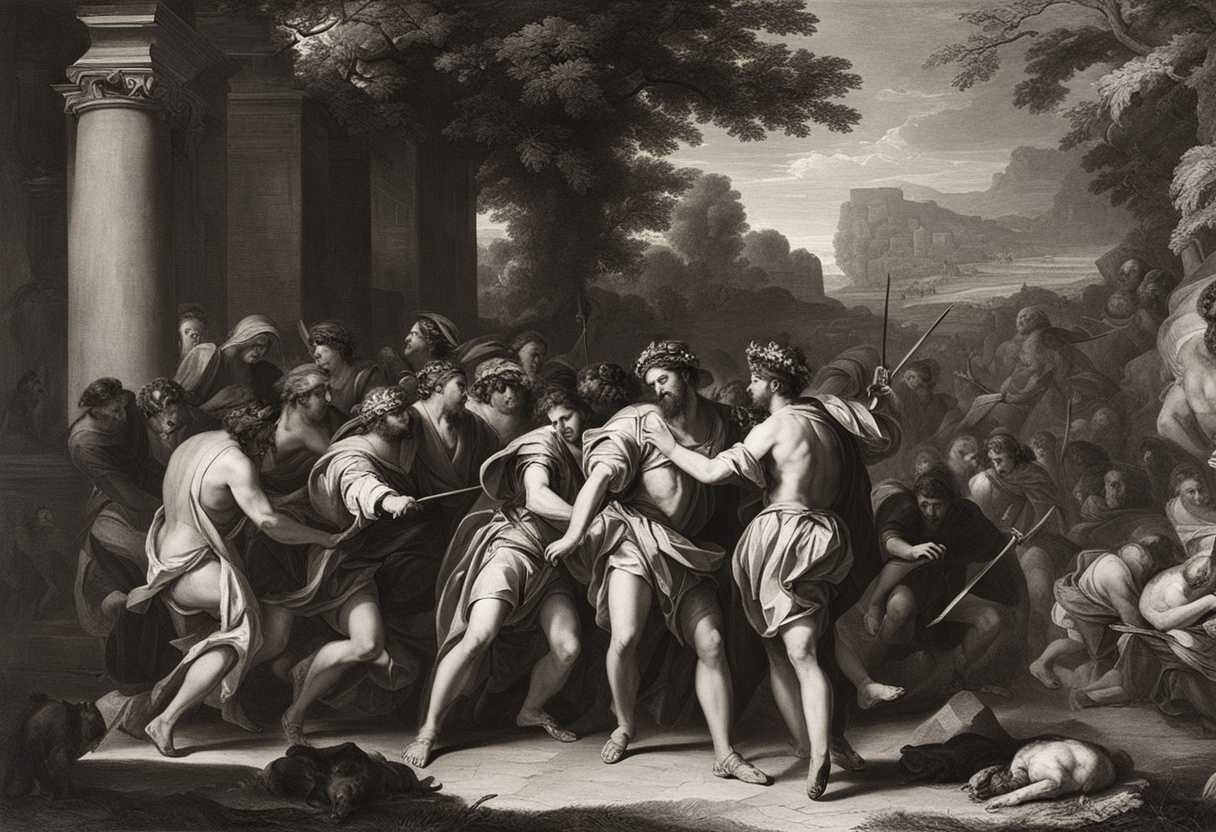
The True Meaning of 2 Samuel 15
The book of 2 Samuel was written by the prophet Nathan and the scribe Gad, who were close companions of King David. They provide a detailed account of David’s reign as the second king of Israel, chronicling both his triumphs and his struggles. We witness the unfolding of a pivotal moment in David’s life in this chapter. The king finds himself forced to flee Jerusalem as his son Absalom conspires to seize the throne, facing a crisis that will test his faith and leadership. The events that unfold in this passage foreshadow the bitter conflict that will tear the kingdom apart, with far-reaching consequences for the future of Israel.
The chapter also highlights the complex web of family dynamics and political intrigue that characterized the royal court during this time. We see the consequences of David’s own past actions, as the sins of the father come back to haunt him. This passage invites us to reflect on the nature of power, the importance of loyalty, and the fragility of even the mightiest of kingdoms.
2 Samuel 15:1-6
Absalom, King David’s son, cunningly garnered the support of the people to plot against his father and seize the kingdom in 2 Samuel 15:1-6. The narrative begins by describing Absalom’s strategy of patiently standing by the city gates, where people came for justice and advice, and winning their favor by showing personal interest and concern in their affairs. This display of empathy and attention to their needs allowed him to subtly undermine the authority of King David, who may have seemed more distant from his subjects due to his royal position and responsibilities.
Absalom’s actions serve as a cautionary tale about the dangers of seeking power through deceit and manipulation. He sowed seeds of discontent and disloyalty among the populace by exploiting their grievances and positioning himself as a sympathetic figure, ultimately leading to a rebellion against his own father. This narrative underscores the consequences of internal strife within a kingdom and the impact of personal ambitions on the greater good of the nation.
The story of Absalom’s rebellion against David reflects a broader theme in the Bible regarding the complexities of family dynamics, betrayal, and the consequences of sin. Absalom’s actions not only resulted in a civil war within Israel but also brought immense sorrow and anguish to David, who was faced with the painful reality of his own son seeking to overthrow him. This theme of familial conflict and betrayal is prevalent throughout the Bible, from the sibling rivalry between Cain and Abel to the treachery of Judas Iscariot towards Jesus. Power gained through deceit and betrayal is fleeting and ultimately destructive, as we reflect on the account of Absalom’s rebellion in 2 Samuel 15. Proverbs 16:18 warns, “Pride goes before destruction, a haughty spirit before a fall,” illustrating the downfall of individuals who seek to exalt themselves through dishonest means. The narrative of Absalom’s rebellion serves as a sobering reminder of the importance of humility, integrity, and obedience to God’s will in all aspects of our lives, including our pursuit of positions of leadership and authority.
2 Samuel 15:7-12
Verse 7 of 2 Samuel 15 starts by highlighting the support that Absalom, David’s son, had gathered for himself. It mentions that after four years, Absalom made a request to go to Hebron to fulfill a vow he had made. This was a strategic move by Absalom to gain favor and support from the people as he sought to position himself to challenge David’s reign. Absalom was cunning and ambitious, and he used this opportunity to further his own agenda while pretending to be devout by fulfilling the vow he claimed to have made to the Lord. This verse serves as a cautionary tale about how deception can be masked under the guise of religious devotion and how power struggles can lead to betrayal and manipulation. Absalom’s plan to undermine his father’s authority and establish his own rule becomes clearer in verses 8-10. He sends spies throughout the land of Israel, commanding them to spread the message that as soon as they hear the trumpet, they should declare Absalom as king in Hebron. This calculated move reveals Absalom’s cunning nature and his determination to seize power by any means necessary. The use of spies and the element of surprise were tactics commonly employed in ancient times to overthrow rulers or gain dominance. Absalom’s actions here serve as a reminder of the dangers of unchecked ambition and the lengths to which individuals may go to attain power and control.
Verses 11-12 depict how Absalom’s scheme rapidly gains momentum as more and more people are drawn to his cause. Along with the men he had sent, he gained the support of many unsuspecting followers who were unaware of his true intentions. The momentum of Absalom’s rebellion against David was building, with more supporters joining his cause, unaware of the deceit and betrayal that lay at the heart of his plan. This rapid rise to power by Absalom highlights the fickleness of human allegiance and the allure of charismatic leadership, even when it is rooted in deception and self-interest. These verses in 2 Samuel 15 serve as a pivotal moment in the narrative, setting the stage for the conflict between David and Absalom. The passage demonstrates the destructive consequences of ambition, deceit, and betrayal, and the ways in which these factors can sow discord and division within families and kingdoms. It also underscores the timeless theme of the human condition, showing how the lust for power and the temptations of authority can corrupt individuals and lead to their downfall. This story of Absalom and David in the broader scope of the Bible serves as a cautionary tale about the dangers of pride, rebellion, and the pursuit of power at any cost. It echoes the fall of Lucifer in Isaiah 14:12-15, where pride led to his rebellion against God, resulting in his ultimate downfall. Similarly, the story of Absalom’s rebellion against his father David highlights the destructive consequences of arrogance and the importance of humility and obedience to God’s will. It serves as a reminder of the consequences of forsaking righteousness and seeking personal gain above all else.
2 Samuel 15:13-18
Absalom conspires against King David in a critical moment in his life, seeking to steal the hearts of the people and ultimately seize the kingdom from his father, as witnessed in 2 Samuel 15:13-18. This passage captures the heart-wrenching betrayal and political intrigue that David faces as he navigates through this challenging period in his reign. David receives the news that his own son Absalom has allied himself with the people of Israel and is staging a rebellion against him in these verses. This news must have struck David to the core, as it signifies not only a threat to his throne but also a profound personal betrayal from his own flesh and blood. Absalom’s actions serve as a stark reminder of the consequences of familial discord and the dangers that arise when ambition and power overshadow love and loyalty within a family.
One key aspect to highlight is the psychological and emotional turmoil that David must have experienced upon learning of Absalom’s treachery. David surely felt a mix of grief, anger, and perhaps even guilt for the discord within his household that ultimately led to this rebellion as a father. This narrative serves as a cautionary tale about the repercussions of unresolved family conflicts and the importance of nurturing relationships within one’s own household. These verses moreover underscore the complexities and challenges of leadership. Despite his own personal anguish, David must make difficult decisions to protect his kingdom and his people. David exercises wisdom and prudence in the face of adversity as he chooses to flee Jerusalem rather than engage in a destructive battle. This decision showcases David’s humility and reliance on God’s guidance, revealing his unwavering faith even in the midst of turmoil.
Furthermore, this episode involving Absalom and David reflects a broader theme found throughout the Bible – that of the consequences of sin and rebellion against God. Absalom’s uprising serves as a poignant illustration of the destructive nature of pride, ambition, and disobedience, highlighting the importance of humility, obedience, and faithfulness in one’s relationship with God. This narrative of Absalom and David serves as a cautionary tale, warning against the pitfalls of arrogance and the dire outcomes of straying from God’s will. We are reminded of the timeless truths and lessons found in the Bible about the complexities of human relationships, the consequences of sin and rebellion, the challenges of leadership, and the importance of faith and humility in navigating through times of trial and adversity in exploring this passage. Just as David faced great turmoil and betrayal with Absalom’s rebellion, we too can draw strength and wisdom from his example of seeking God’s guidance, displaying humility, and ultimately trusting in God’s sovereign plan.
2 Samuel 15:19-23
Verses 19-22 of 2 Samuel 15 describe King David’s reaction upon hearing the news that his trusted advisor and friend, Ahithophel, has sided with Absalom, David’s rebellious son. This betrayal further compounds the challenges that David faces during Absalom’s uprising against him. David’s response is one of resigned acceptance, as he realizes the gravity of the situation he finds himself in. Despite the emotional turmoil he must be experiencing at this moment, David’s focus remains on the safety of the people of Jerusalem. He understands that staying behind to protect the citizens against the imminent threat posed by Absalom is his duty as their king, regardless of the personal danger he may face.
David’s decision to prioritize the well-being of the people of Jerusalem over his own safety speaks volumes about his character as a leader. It exemplifies his selflessness, courage, and sense of responsibility towards his subjects. This act of putting others before himself is a demonstration of the qualities that made David a great king in the eyes of his people and in the biblical narrative. This passage serves as a powerful reminder of the challenges that leaders face and the sacrifices they often have to make for the greater good in a broader context. David’s willingness to face danger head-on, even in the face of betrayal and rebellion, sets an example of leadership marked by integrity, strength, and humility. His actions echo the ultimate sacrifice made by Jesus Christ, who laid down his life for the salvation of all mankind, embodying the epitome of selfless leadership and love.
David’s unwavering commitment to his people and his willingness to face adversity with courage and faith resonates with the biblical theme of God’s faithfulness and protection over his chosen ones. Just as David trusted in God’s providence to see him through times of trouble, believers today are called to have faith in God’s sovereignty and goodness, even when faced with trials and betrayals. These verses not only highlight the personal struggles and leadership qualities of King David but also carry timeless messages about faith, courage, sacrifice, and the unwavering protection that comes from trusting in God’s plans. The story of David and his response to betrayal serve as a poignant reminder for readers to seek strength in God during times of turmoil and to approach challenges with humility, trust, and a heart centered on serving others.
2 Samuel 15:24-29
King David faces a great challenge in his reign when his son Absalom rebels against him in 2 Samuel 15:24-29. These verses depict the moment when David, along with his loyal followers, leave Jerusalem upon hearing of Absalom’s uprising.
Firstly, in verse 24, we see Zadok the priest and the Levites carrying the Ark of the Covenant along with them as they leave the city. The presence of the Ark symbolizes the divine guidance and protection that David seeks in this critical time of turmoil. The Ark held great significance in the Israelites’ history as a physical representation of God’s covenant with His people. David is acknowledging his reliance on God’s presence and favor amidst the chaos by taking the Ark with him. Ittai the Gittite is encountered in verse 19 as David and his followers continue their journey out of Jerusalem. Ittai, a foreigner from Gath, pledges his allegiance and loyalty to David in a poignant display of fidelity. Despite not being native to Israel, Ittai’s commitment to stand by David’s side speaks volumes about his character and devotion. This episode highlights the theme of loyalty and how it transcends cultural or societal boundaries. Ittai’s unwavering support contrasts with the betrayal David faces from his own son, Absalom, revealing the importance of loyalty and faithfulness in relationships.
Furthermore, in verse 27, we witness David’s humility and acceptance of God’s will in the midst of his trials. He acknowledges that if God sees fit for him to return to Jerusalem, then it will be so. David’s submission to God’s providence exemplifies a profound trust and faith in God’s plan, even when facing adversity. This instance serves as a reminder for believers to surrender their circumstances to God, knowing that He holds ultimate control over all outcomes. These verses from 2 Samuel 15 capture a pivotal moment in David’s life, marked by betrayal, loyalty, faith, and humility. Through the characters of Zadok, Ittai, and David himself, we glean valuable insights into the enduring themes of divine guidance, unwavering loyalty, submission to God’s will, and the importance of trust and faith in challenging times. This episode in David’s life serves as a testament to the complexities of human relationships, the frailty of power, and the unwavering strength found in God alone. The story of David and Absalom’s rebellion also echoes the consequences of sin and the importance of seeking God’s forgiveness and redemption, as seen in the eventual resolution of their fractured relationship in later chapters of the Bible.
2 Samuel 15:30-37
King David is forced to flee Jerusalem due to his son Absalom’s rebellion in the heartbreaking scene unfolding in 2 Samuel 15:30-37. Let’s break down this passage to uncover its deeper meaning and the lessons it holds for us.
Starting with verse 30, we find David ascending the Mount of Olives barefoot and weeping as he leaves the city. This image of the king, who was once powerful and revered, now reduced to a state of sorrow and vulnerability, is a stark contrast to his previous glory. The act of going barefoot was a sign of mourning, highlighting the depth of David’s anguish over the betrayal of his own son and the loss of his throne. Hushai the Arkite, another key figure, comes to meet David with torn clothes and dirt on his head, showing mourning and solidarity in his time of distress. Hushai’s presence and support symbolize the loyalty and friendship that David still retains amidst the turmoil caused by Absalom’s rebellion. Hushai’s actions remind us of the importance of standing by those we care about in their moments of need, even when it may be risky or unpopular to do so. David instructs Hushai to return to Jerusalem and act as a spy to thwart the counsel of Ahithophel, who had sided with Absalom in a poignant interaction in verses 32-37. This strategic move by David demonstrates his wisdom and foresight in utilizing all available resources to counter the threat posed by his enemies. It also showcases the importance of discernment and wisdom in times of crisis, as David carefully navigates through treacherous circumstances to safeguard his kingdom.
Furthermore, this passage serves as a powerful reminder of the consequences of sin and betrayal, as David grapples with the painful repercussions of his own transgressions that have led to the fracturing of his family and kingdom. The narrative of David’s fall from grace due to his affair with Bathsheba and his role in Uriah’s death serves as a cautionary tale of the destructive nature of sin and the importance of seeking forgiveness and redemption. Despite his profound remorse and repentance, David still had to face the painful consequences of his actions, highlighting the sobering reality that our choices have lasting effects. The complexities of human relationships, the fragility of power and prestige, and the enduring consequences of our decisions remind us as we reflect on this passage. Through David’s trials and tribulations, we are called to seek humility, repentance, and reliance on God’s grace in the face of adversity. Just as David sought refuge in God during his time of exile, may we also find solace and strength in God’s presence amidst the storms of life, trusting in His faithfulness to guide us through every trial and tribulation.
After 2 Samuel 15
The people’s hearts were turned towards Absalom, and he stole the hearts of the men of Israel. David knew he must flee Jerusalem to avoid bloodshed. He wept and walked barefoot, his head covered in grief as he left the city. The loyal followers who remained with David were steadfast in their devotion.
Yet, the road ahead was uncertain. David’s enemies plotted against him, and the future of the kingdom hung in the balance. David would need to rely on his faith and the loyalty of those around him to navigate the treacherous path that lay before him in the days to come. For in the darkest of times, the light of God’s guidance would be David’s only hope.

Reverend Michael Johnson is an experienced Church Minister with a profound expertise in spirituality and guidance. With a serene presence and a compassionate heart, he has faithfully served his congregation for over 20 years, leading them on a spiritual journey towards inner peace and enlightenment. Reverend Johnson’s extensive knowledge of religious philosophies and profound understanding of human nature have made him a trusted confidant and mentor to many, as he seamlessly weaves his profound wisdom into life teachings. Reverend Johnson’s calming demeanor and empathetic nature continue to uplift and heal souls, nurturing a sense of unity and tranquility within his community.