
2 Samuel 1:18 is about mourning the loss of King Saul and his son Jonathan, honoring their memory through a lamentation.
And he said it should be taught to the people of Judah; behold, it is written in the Book of Jashar.
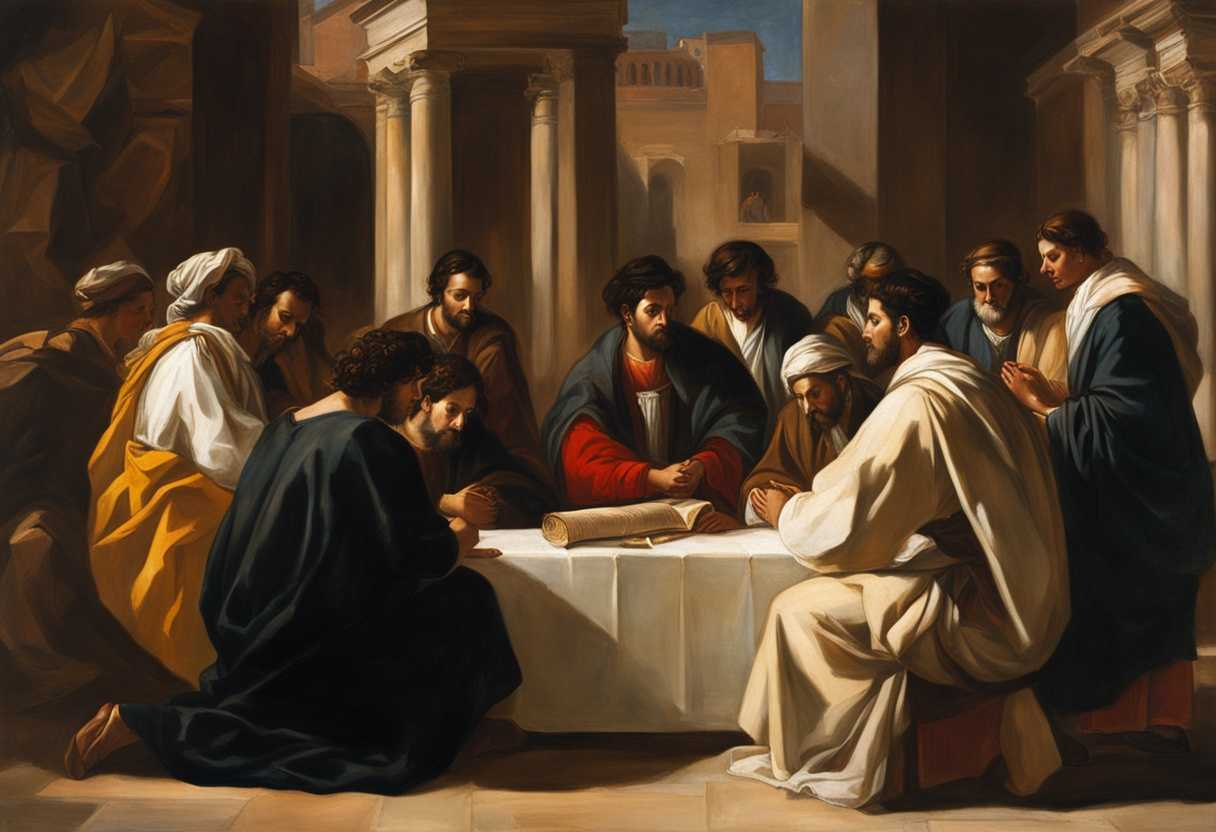
Setting the Scene for 2 Samuel 1:18
The scene in 2 Samuel 1:18 takes place after the death of King Saul and his son Jonathan. David, who had been anointed by Samuel to be the next king of Israel, receives news of their deaths from an Amalekite messenger. David and his men are in Ziklag, a town in the southern part of Judah that had been given to David by King Achish of Gath.
As David and his men are mourning the deaths of Saul and Jonathan, the Amalekite messenger approaches them with the news. The messenger claims to have killed Saul at his request, thinking he would receive a reward from David. However, David is devastated by the news of Saul’s death and mourns for both Saul and Jonathan. The scene is filled with grief and sorrow as David laments the loss of the king and his dear friend.
Surrounded by his loyal men in the town of Ziklag, David is faced with the reality of the deaths of Saul and Jonathan, the end of an era, and the weight of the responsibility that will soon fall on his shoulders as the future king of Israel. The atmosphere is heavy with emotion as David processes the news and begins to navigate the turbulent political landscape that lies ahead.
What is 2 Samuel 1:18 about?
Imagine the depth of loyalty and respect Jonathan and Saul must have shared for David for him to mourn them so deeply. This is more than just a lament for their deaths; it is a tribute to their valor and steadfastness in their friendship. David’s lament reflects not just his sorrow at their passing, but also his admiration for their courage and loyalty. We have relationships like David, Jonathan, and Saul in our own lives. Do we have people who stand by us through thick and thin, who inspire us with their bravery and unwavering support? This verse reminds us of the power of true friendship and the impact it can have on our lives. It challenges us to reflect on the bonds we have with others and to cherish those connections that are built on loyalty, respect, and love.
Understanding what 2 Samuel 1:18 really means
The verse 2 Samuel 1:18 takes us back to a poignant moment in history, where David mourns the deaths of King Saul and Jonathan. It serves as a reminder of the deep emotions and connections that bind us to our past. The mention of the “Book of Jashar” adds a layer of mystery and intrigue, as this ancient text is lost to us today, leaving us to wonder about the stories and wisdom it contained.
In the broader context of biblical references, we see echoes of the Book of Jashar in other passages like Joshua 10:13, where extraordinary events are recorded. This intertextuality invites us to explore the interconnectedness of biblical narratives and themes, deepening our understanding of the richness of scripture. David’s lamentation in 2 Samuel 1:19-27, known as “The Song of the Bow,” further emphasizes the importance of passing down stories and teachings to future generations.
The relevance of this verse to contemporary society is striking. In a world that often rushes forward, forgetting the lessons of the past, we are reminded of the importance of remembering and honoring those who came before us. Just as David wanted the people of Judah to learn from Saul and Jonathan’s lives, we are encouraged to reflect on the legacies of our own predecessors and the wisdom they impart.
Imagine a community coming together to mourn the loss of a revered leader, sharing anecdotes and lessons learned from their life. This act of communal remembrance not only honors the departed but also strengthens the bonds within the community, ensuring that their legacy continues to inspire and guide future generations. It underscores the power of shared grief and collective memory in fostering unity and resilience.
“The Song of the Bow” and the mention of the “Book of Jashar” carry profound meanings. The former symbolizes respect for bravery and valor, particularly in the context of Jonathan’s skill with the bow. It serves as a tribute to those who have shown courage in the face of adversity. The latter reference highlights the significance of preserving historical events and teachings, emphasizing the value of written records in safeguarding cultural and spiritual heritage for posterity.
As we ponder on 2 Samuel 1:18, let us heed the call to remember, learn, and unite in shared remembrance. May we honor the legacies of those who have shaped our lives, draw wisdom from their experiences, and find strength in coming together as a community bound by respect and reverence.
What is the value of honoring the fallen?
Honoring the fallen holds great value as it allows us to remember and pay tribute to those who have passed. We keep their memories alive and ensure that they are not forgotten by acknowledging their sacrifices and bravery. This act of remembrance instills a sense of respect, gratitude, and appreciation for those who have given their lives in service.
Furthermore, honoring the fallen serves as a constant reminder of the cost of freedom and the importance of upholding values and principles worth fighting for. It also unites communities in grief and solidarity, fostering a sense of togetherness and support among those who share in the loss. Honoring the fallen holds immense significance in recognizing their contributions, preserving their legacy, and reminding us of the ultimate sacrifice made for the greater good.
Application
Imagine the verse in 2 Samuel 1:18 as a crucial piece of advice from a mentor at work or a loved one in your family. Don’t just read it—let it fuel your actions today. How can you weave its teachings into the fabric of your everyday decisions and interactions? Will you let it guide you like a compass, helping you radiate love and integrity? Think about the impact you can make by living out these words. What steps can you take right now to embody this wisdom?

Reverend Michael Johnson is an experienced Church Minister with a profound expertise in spirituality and guidance. With a serene presence and a compassionate heart, he has faithfully served his congregation for over 20 years, leading them on a spiritual journey towards inner peace and enlightenment. Reverend Johnson’s extensive knowledge of religious philosophies and profound understanding of human nature have made him a trusted confidant and mentor to many, as he seamlessly weaves his profound wisdom into life teachings. Reverend Johnson’s calming demeanor and empathetic nature continue to uplift and heal souls, nurturing a sense of unity and tranquility within his community.