
2 Samuel 20:14-22 is about the cunning and shrewd actions of an intelligent woman named Wise Woman of Abel Beth Maacah who negotiates for peace and saves her city from destruction by appealing to a powerful military commander with wisdom and clever strategy.
14 And Sheba passed through all the tribes of Israel to Abel of Beth-maacah, and all the Bichrites assembled and followed him in.
15 And all the men who were with Joab came and besieged him in Abel of Beth-maacah. They cast up a mound against the city, and it stood against the rampart, and they were battering the wall to throw it down.
16 Then a wise woman called from the city, “Listen! Listen! Tell Joab, ‘Come here, that I may speak to you.’”
17 And when he came near her, the woman said, “Are you Joab?” He answered, “I am.” Then she said to him, “Listen to the words of your servant.”
18 Then she said, “They used to say in former times, ‘Let them but ask counsel at Abel,’ and so they settled a matter.
19 I am one of those who are peaceable and faithful in Israel. You seek to destroy a city that is a mother in Israel. Why will you swallow up the heritage of the Lord?”
20 Joab answered, “Far be it from me, far be it, that I should swallow up or destroy!
21 That is not true. But a man of the hill country of Ephraim, called Sheba the son of Bichri, has lifted up his hand against King David. Give up him alone, and I will withdraw from the city.” And the woman said to Joab, “Behold, his head shall be thrown to you over the wall.”
22 Then the woman went to all the people in her wisdom. And they cut off the head of Sheba the son of Bichri and threw it out to Joab. So he blew the trumpet, and they dispersed from the city, every man to his home. And Joab returned to Jerusalem to the king.
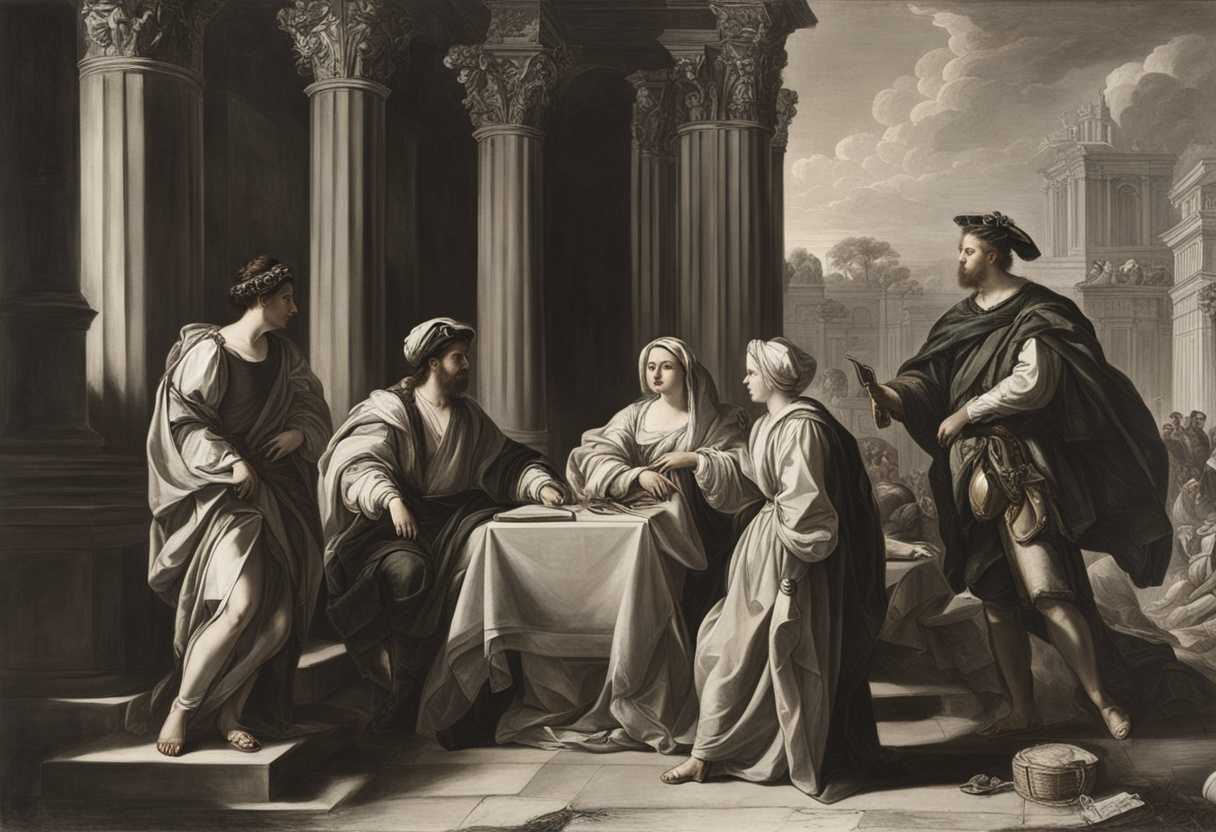
Setting the Scene for 2 Samuel 20:14-22
The scene in 2 Samuel 20:14-22 takes place in the city of Abel Beth Maacah, a town located in the northern part of Israel near the border with Syria. The city is in turmoil as Sheba, a rebel leader, has taken refuge within its walls after fleeing from King David’s forces. Joab, the commander of David’s army, arrives at the city with his troops, determined to capture Sheba and end the rebellion.
The inhabitants of Abel Beth Maacah, led by a wise woman, find themselves caught in the middle of the conflict. They stand on the city walls, negotiating with Joab to spare their city from destruction while also trying to find a way to hand over Sheba to the king’s forces. The tension is palpable as the fate of the city hangs in the balance, with Joab’s army surrounding the walls and the rebel forces hiding within.
As the negotiations unfold, the wise woman of Abel Beth Maacah plays a crucial role in brokering a deal between Joab and the city’s inhabitants. Through her wisdom and quick thinking, she devises a plan to save her city from destruction and bring an end to the rebellion. The scene is filled with suspense and drama as the fate of Abel Beth Maacah and the resolution of the conflict with Sheba hang in the balance.
What is 2 Samuel 20:14-22 about?
Wisdom embodies power and impact in the form of a woman in this verse. Here, wisdom is not just about knowledge or intelligence but also about discernment, empathy, and the ability to navigate challenging situations with a clear mind and heart. The woman’s actions not only showcase her ability to make wise decisions but also her courage in stepping up to take responsibility for the well-being of her city. She saves her city and sets an example of leadership and humanity for others to follow by choosing negotiation and peace over conflict and destruction.
Reflecting on this verse, we can ponder on the qualities of wisdom and how they can be applied in our own lives and communities. How can we cultivate wisdom in our decision-making processes? How can we use wisdom to resolve conflicts and promote peace in our own surroundings? The verse reminds us that wisdom is not just a personal attribute but also a powerful tool for creating positive change and averting disaster on a larger scale. It challenges us to embody wisdom in our actions and choices, just like the wise woman in the verse, and work towards a more harmonious and prosperous society.
Understanding what 2 Samuel 20:14-22 really means
The passage in 2 Samuel 20:14-22 delves into the account of Sheba’s rebellion against King David, culminating in a confrontation at Abel Beth Maacah. Sheba’s insurrection prompts Joab, David’s military leader, to pursue him to the city, where a wise woman intervenes to negotiate peace. This narrative showcases the significance of wisdom and discernment in averting unnecessary bloodshed and conflict, as exemplified by the actions of the wise woman.
The phrase “A wise woman called from the city” underscores the pivotal role played by wisdom in resolving disputes. Through her intervention, the woman showcases the power of peaceful negotiation and rational discourse in defusing tensions and achieving a harmonious resolution. Additionally, the mention of Abel Beth Maacah as a place known for its counsel emphasizes the value of seeking wise advice in times of crisis, highlighting the importance of tapping into collective wisdom for conflict resolution.
In identifying herself as “one of those who are peaceable and faithful in Israel,” the wise woman emphasizes the virtues of peace and loyalty. Her self-description underscores the qualities of a peacemaker, aligning with biblical teachings that extol the blessedness of those who promote peace. This portrayal resonates with the broader biblical theme of valuing peace and harmony in interpersonal relationships and societal interactions.
Drawing parallels with related biblical passages such as Proverbs 15:1, James 3:17, and Matthew 5:9 further illuminates the timeless wisdom encapsulated in the narrative. These verses emphasize the transformative power of wisdom, gentleness, and peacemaking, mirroring the actions and character of the wise woman in the passage. By reflecting on these scriptures, we glean insights into the qualities that lead to conflict resolution and the promotion of peace in our communities.
The relevance of this passage extends to contemporary society, where conflicts and discord abound. The example of the wise woman serves as a beacon, reminding us of the profound impact individuals can have in fostering peace and reconciliation. In a world often fraught with violence and division, the narrative encourages us to emulate the wisdom and peacemaking spirit displayed by the woman from Abel Beth Maacah.
In practical terms, the story prompts us to value wise counsel and peaceful negotiation in our interactions. Just as the wise woman’s intervention averted disaster, our willingness to seek understanding, listen attentively, and pursue peaceful resolutions can contribute to a more harmonious and just society. By embodying the virtues of wisdom, peace, and empathy, we can follow in the footsteps of the wise woman and strive to be agents of reconciliation and unity in our communities.
How do we prevent division and conflict in community?
To prevent division and conflict in a community, it is crucial to have a sense of unity and loyalty towards each other. When individuals prioritize the well-being of the community over their personal agendas, conflicts can be avoided. It is important for members to work towards common goals and support one another in times of need. Communication plays a vital role in preventing division. Open and honest communication can help address misunderstandings before they escalate into conflicts. Listening to different perspectives with empathy and respect can promote understanding and harmony within the community. Fostering a culture of dialogue and collaboration can maintain unity and avert division.
Application
In the chaotic rush of work and family life, integrity and peace are your strongest tools. Imagine conflicts as knots in your daily routine—untie them with wisdom, not force. The wise woman of Abel Beth Maacah showed how diplomacy can resolve the toughest challenges. Will you follow her example, choosing understanding over aggression?

Reverend Michael Johnson is an experienced Church Minister with a profound expertise in spirituality and guidance. With a serene presence and a compassionate heart, he has faithfully served his congregation for over 20 years, leading them on a spiritual journey towards inner peace and enlightenment. Reverend Johnson’s extensive knowledge of religious philosophies and profound understanding of human nature have made him a trusted confidant and mentor to many, as he seamlessly weaves his profound wisdom into life teachings. Reverend Johnson’s calming demeanor and empathetic nature continue to uplift and heal souls, nurturing a sense of unity and tranquility within his community.