
2 Samuel 22:44-46 is about God’s divine protection and deliverance for David, highlighting how the Lord made him a ruler over nations and ensured that his enemies would submit to him, symbolizing the overall victory of faith and sovereignty in the face of adversity.
44 “You delivered me from strife with my people;
you kept me as the head of the nations;
people whom I had not known served me.
45 Foreigners lost heart
and came trembling out of their fortresses.
46 The Lord lives, and blessed be my rock, and exalted be the God of my salvation—
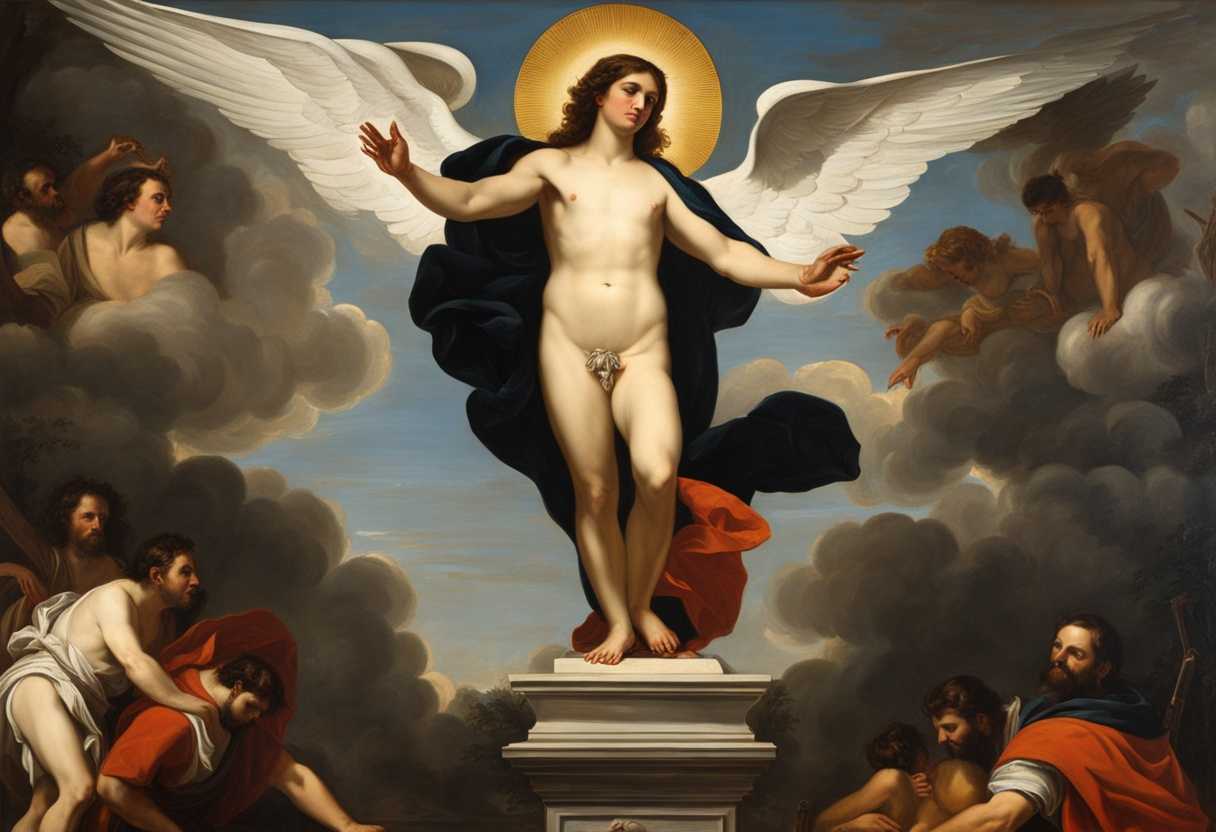
Setting the Scene for 2 Samuel 22:44-46
The scene unfolds in the heart of ancient Israel, a land marked by rugged hills and valleys, where the air is thick with the scent of olive trees and the distant sound of sheep bleating. It is a time of tumult and transition, as David, the newly anointed king, stands at the pinnacle of his power, having recently triumphed over his enemies. The sun is setting, casting a golden hue over the landscape, illuminating the faces of those gathered around him. Among them are his loyal warriors, the mighty men of valor, who have fought alongside him through countless battles. Their faces are etched with the weariness of conflict, yet their eyes gleam with the pride of victory.
In this moment, David reflects on the tumultuous journey that has brought him to this point. He recalls the days of his youth, tending sheep in the fields of Bethlehem, and the anointing by the prophet Samuel that set him on a path of divine purpose. The echoes of his past battles resonate in his mind—the confrontations with Goliath, the relentless pursuit by King Saul, and the unyielding loyalty of his followers. As he stands before his men, he feels the weight of his responsibilities as king, yet he is emboldened by the assurance that God has been his fortress and deliverer. The atmosphere is charged with a sense of reverence as David prepares to share a song of praise, a testament to the faithfulness of God in the face of adversity.
Surrounding David are the remnants of the battlefield, a stark reminder of the struggles they have faced. The ground is littered with the remnants of conflict, but the air is filled with a sense of hope and renewal. The men, weary yet resolute, gather close, their hearts united in a shared purpose. As David begins to speak, his voice rises above the murmurs of the crowd, declaring the victories that have been won and the enemies that have been vanquished. He speaks of the nations that have been subdued, the strongholds that have crumbled, and the fear that has gripped those who opposed him. In this moment, the scene is not just one of celebration; it is a powerful declaration of faith, a reminder that with God as their ally, they are invincible against any foe.
What is 2 Samuel 22:44-46 about?
David’s praise for God in this verse powerfully testifies to the relationship between faith and personal triumph. When we consider the historical context in which David found himself—constantly besieged by enemies and adversaries—his acknowledgment of divine protection becomes all the more significant. Have you ever found yourself in a situation where you felt overwhelmed, perhaps even threatened? It’s in these moments that we often seek a higher power or a greater source of strength. David’s exclamation is not merely a shout of gratitude; it is an intimate recognition of God’s active role in his life’s journey.
What does it mean to affirm victory over adversaries? For David, it wasn’t just about physical battles; it encompassed spiritual, emotional, and social struggles as well. Isn’t it enlightening how David attributes his victories not to his own might, but to God’s intervention and support? This raises an important question for us: do we acknowledge the sources of our own victories, or do we, like so many, tend to claim them solely for ourselves? David sets an example for us to follow—an example of humility and gratitude by recognizing divine protection. We can reflect on our own lives and consider the moments when we too have experienced protection or deliverance. How often do we pause to give credit to that greater force guiding us through trials?
Understanding what 2 Samuel 22:44-46 really means
In 2 Samuel 22:44-46, we find a profound expression of David’s gratitude and recognition of God’s unwavering support throughout his life. This passage is part of a larger song of praise, where David reflects on the victories and deliverances he has experienced. It encapsulates themes of divine protection, authority, and the establishment of God’s kingdom, inviting us to consider our own experiences of God’s faithfulness.
David’s life was marked by challenges, from fierce battles to personal betrayals. Yet, through it all, he remained steadfast in his faith. This song serves as a testament to his reliance on God during tumultuous times. Have you ever faced a situation where you felt overwhelmed? David’s words remind us that even in our darkest moments, we can find solace in God’s presence and intervention.
The key phrases in this passage are rich with meaning. When David declares, “You have delivered me from the strife of my people,” he acknowledges God’s role as a protector. This highlights the idea that God intervenes in our conflicts, offering peace and resolution. Similarly, when he states, “You have made me the head of nations,” it emphasizes that leadership is a divine appointment. It prompts us to reflect: how often do we attribute our successes solely to our efforts, forgetting the divine hand that guides us?
Cross-referencing other biblical passages enhances our understanding of David’s sentiments. For instance, Psalm 18:2 echoes his acknowledgment of God as his rock and deliverer. This parallel reinforces the notion that God is our ultimate source of strength. Additionally, Romans 13:1 reminds us that all authority is established by God, aligning with David’s experience of being elevated to leadership. How does this perspective shift our understanding of authority in our own lives?
In today’s world, filled with conflict and uncertainty, David’s words resonate deeply. They remind us that we can rely on God for deliverance and guidance. This passage encourages us to seek divine intervention in our struggles, whether they are personal or communal. Are we willing to invite God into our challenges, trusting that He will provide the strength we need?
Consider the story of Sarah, a young woman who faced significant challenges in her workplace. Overwhelmed by a toxic environment, she turned to prayer and sought God’s guidance. Through her faith and perseverance, she transformed her workplace into a space of respect and collaboration. Just as David experienced God’s deliverance, Sarah’s story illustrates that divine support can lead to victory in our own lives.
In conclusion, 2 Samuel 22:44-46 serves as a powerful reminder of God’s faithfulness. It assures us that He is with us in our struggles, calling us to trust in His sovereignty. Our victories are not solely our own; they are a testament to His grace and power in our lives. As we reflect on this passage, let us embrace the truth that God is our deliverer, guiding us through every challenge we face.
How do I respond to my enemies with grace?
Responding to your enemies with grace involves recognizing that conflict can often be an opportunity for growth and understanding. It’s essential to maintain a composed demeanor even in the face of adversity. You can demonstrate strength of character by choosing gracefulness over retaliation. This approach not only reflects your values but also can sometimes disarm your adversaries, making them reconsider their actions in light of your calmness.
Additionally, adopting a perspective of empathy can help shift your mindset. Understanding that enemies may act out of their own pain or fear allows you to respond with compassion rather than bitterness. This can lead to constructive dialogue and may pave the way for resolving misunderstandings. With this mindset, you acknowledge their humanity while firmly standing your ground and asserting your boundaries without resorting to hostility. Responding with grace ultimately requires you to commit to your own principles and maintain integrity unwaveringly. This doesn’t mean being passive or allowing yourself to be victimized; rather, it means choosing how to react in ways that reflect your inner values. It underscores a belief in the power of kindness and the importance of maintaining respect, even in challenging circumstances. By elevating the conversation and setting a positive example, you promote a culture of respect and understanding.
Application
Life can feel like a maze at work or a juggling act at home, but just like David, we all have moments when we rise above our challenges. Think about the times you’ve felt that invisible hand guiding you through tough situations—those are your victories! Embrace those experiences and share them with others; your story could light the way for someone still finding their path. Are you ready to turn those moments of deliverance into a beacon of hope? What impact could your testimony have on the world around you?

Reverend Michael Johnson is an experienced Church Minister with a profound expertise in spirituality and guidance. With a serene presence and a compassionate heart, he has faithfully served his congregation for over 20 years, leading them on a spiritual journey towards inner peace and enlightenment. Reverend Johnson’s extensive knowledge of religious philosophies and profound understanding of human nature have made him a trusted confidant and mentor to many, as he seamlessly weaves his profound wisdom into life teachings. Reverend Johnson’s calming demeanor and empathetic nature continue to uplift and heal souls, nurturing a sense of unity and tranquility within his community.