
2 Samuel 23:3 is about God’s power and authority in shaping the destinies of rulers and nations, highlighting His justice and righteousness in governing the world.
3 The God of Israel has spoken; the Rock of Israel has said to me: When one rules justly over men, ruling in the fear of God,
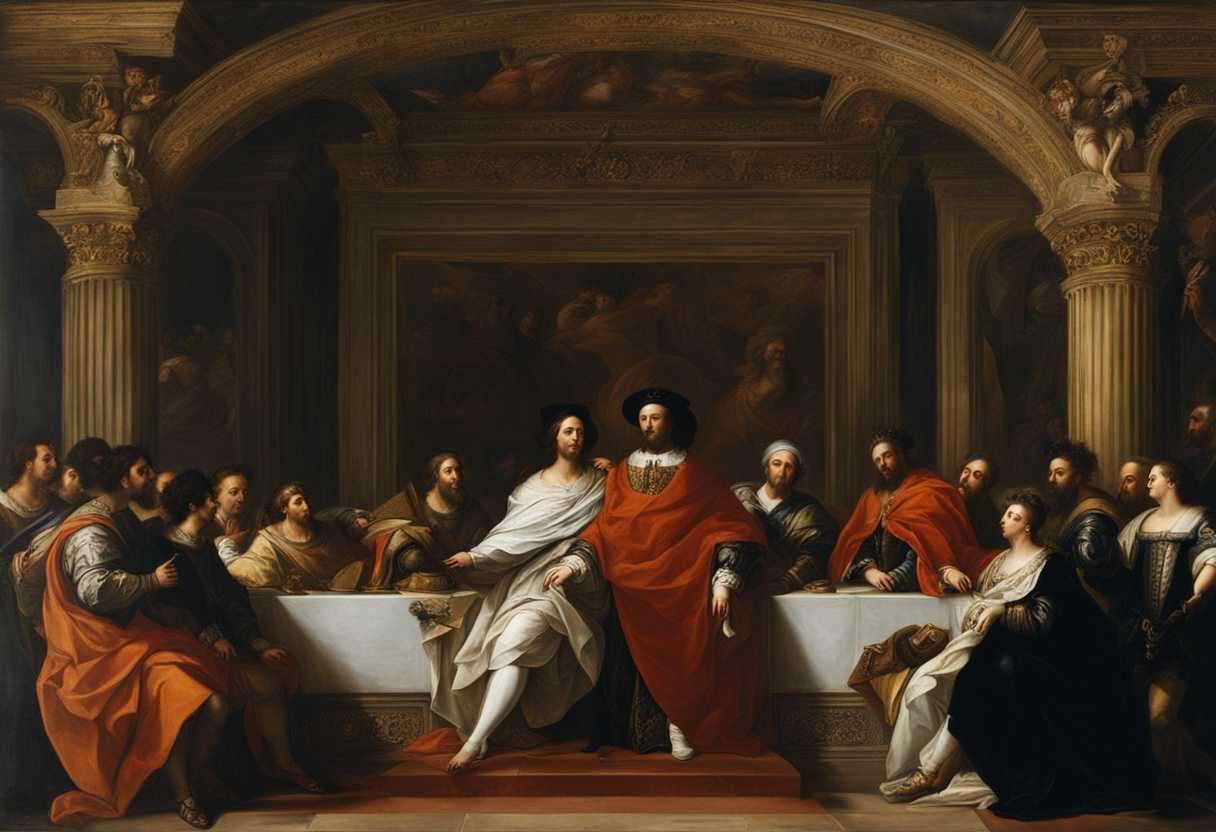
Setting the Scene for 2 Samuel 23:3
In 2 Samuel chapter 23, we find King David nearing the end of his reign, reflecting on his life and reign as the chosen leader of Israel. The scene is set in the royal court of Jerusalem, where David is surrounded by his mighty men, his closest and most loyal warriors who have fought alongside him in numerous battles. These men are known for their bravery, loyalty, and unwavering commitment to their king.
As David sits on his throne, his eyes filled with wisdom and his heart heavy with the weight of his responsibilities, his mighty men stand before him, their faces weathered from years of battle, yet filled with respect and admiration for their king. The air is thick with the scent of incense burning in the background, a reminder of the sacredness of the moment.
In this poignant scene, King David begins to speak, his voice strong and filled with authority as he imparts his final words of wisdom and blessing upon his mighty men. He acknowledges the divine inspiration that has guided his rule and the strength that God has provided him throughout his reign. The atmosphere is solemn yet filled with a sense of reverence and gratitude for the journey they have all shared together.
What is 2 Samuel 23:3 about?
This verse emphasizes the qualities required in a leader — justice and reverence for God. A leader must uphold fairness and equity in their decisions and actions in order to effectively govern people. A leader ensures the well-being and harmony of the society they govern by ruling justly. Additionally, the reference to ruling in the fear of God highlights the importance of moral integrity and ethical behavior in leadership. It suggests that a leader who operates with a deep sense of respect and awe for God is more likely to make righteous and responsible decisions.
Think about it: What kind of leader would you want to follow? One who is fair and impartial, or one who is unjust and self-serving? Leaders who rule in the fear of God demonstrate humility, wisdom, and a sense of accountability beyond earthly powers. They understand that their leadership is ultimately guided by moral principles and a higher purpose. This verse challenges us to expect and support leaders who prioritize justice and integrity in their governance by holding them to these standards.
Understanding what 2 Samuel 23:3 really means
In 2 Samuel 23:3, we delve into the profound reflections of King David as he contemplates the essence of righteous leadership. The verse opens with the solemn declaration, “The God of Israel spoke,” underscoring the divine authority behind the words that follow. By referring to God as “The Rock of Israel,” David highlights the unwavering and dependable nature of God, symbolizing a solid foundation for leadership. The mention of ruling “over people in righteousness” emphasizes the crucial role of justice and moral uprightness in guiding others, setting a standard for ethical leadership practices.
Furthermore, the phrase “When he rules in the fear of God” underscores the significance of leading with a deep reverence and respect for God. This fear is not about dread but about acknowledging God’s sovereignty and aligning one’s actions with His will. It speaks to the core of true leadership, rooted in humility and a recognition of a higher divine authority. These principles resonate throughout the Bible, reinforcing the idea that righteous leadership is not merely a human endeavor but a reflection of God’s character.
Drawing parallels with other biblical passages, such as Proverbs 29:2 and Micah 6:8, we see a consistent theme of the impact of righteous leadership on communities and the call to uphold justice, mercy, and humility. Jesus’ teachings in Matthew 20:26-28 further emphasize the servant leadership model, where greatness is found in serving others with righteousness and humility. These passages collectively paint a comprehensive picture of the qualities God values in leaders and the transformative power of such leadership on society.
The relevance of 2 Samuel 23:3 extends beyond ancient times, resonating with contemporary issues of leadership in various spheres. Whether in politics, business, or personal relationships, the principles of righteousness, justice, and reverence for God remain timeless and universally applicable. In a world where ethical compromises are rampant, this verse serves as a moral compass, guiding leaders to uphold integrity and accountability in their actions.
Consider a community leader who embodies the virtues outlined in 2 Samuel 23:3—a leader who prioritizes fairness, compassion, and humility in decision-making. Such a leader garners respect and trust, fostering a culture of justice and kindness within the community. This anecdote illustrates how righteous leadership not only benefits those directly under it but also inspires others to emulate these values, creating a ripple effect of positive change.
In conclusion, 2 Samuel 23:3 stands as a poignant reminder of the qualities that define Godly leadership—righteousness, justice, and reverence for Him. As we reflect on this verse, let us strive to embody these virtues in our own lives and support leaders who exemplify these principles. May we seek to cultivate a culture of righteousness and humility in our spheres of influence, guided by the timeless wisdom encapsulated in this verse.
How can we cultivate righteousness and justice in society?
Cultivating righteousness and justice in society requires individuals to uphold these principles in their daily lives. This means acting with integrity, fairness, and compassion towards others. When each person strives to do what is right and just, it creates a ripple effect that can positively impact the community as a whole. We contribute to a more harmonious and equitable society by standing up for what is good and just.
To cultivate righteousness and justice, it is essential to advocate for the marginalized and oppressed in society. This involves speaking out against injustice, discrimination, and inequality. We actively contribute to building a more just and righteous society by standing in solidarity with those who are suffering and supporting initiatives that promote equality and fairness. Through our actions and advocacy, we can create a more inclusive and compassionate community where everyone is treated with dignity and respect.
Furthermore, cultivating righteousness and justice requires us to actively seek out opportunities to make a positive difference in the world. This could involve volunteering for causes that promote social justice, supporting organizations that work towards equality, or even engaging in conversations that challenge harmful biases and stereotypes. We can help create a society that values fairness, compassion, and respect for all individuals by taking intentional steps to promote righteousness and justice.
Application
Think of your life as a story, where you’re the main character. What kind of hero do you want to be? Embrace the call to lead with righteousness and integrity at work, at home—everywhere you go. Let God’s truth be the compass that guides your actions and decisions. Will you step up and be the hero that honors God in everything you do?

Reverend Michael Johnson is an experienced Church Minister with a profound expertise in spirituality and guidance. With a serene presence and a compassionate heart, he has faithfully served his congregation for over 20 years, leading them on a spiritual journey towards inner peace and enlightenment. Reverend Johnson’s extensive knowledge of religious philosophies and profound understanding of human nature have made him a trusted confidant and mentor to many, as he seamlessly weaves his profound wisdom into life teachings. Reverend Johnson’s calming demeanor and empathetic nature continue to uplift and heal souls, nurturing a sense of unity and tranquility within his community.