
2 Samuel 2:8 is about Abner, the commander of Saul’s army, anointing Ish-bosheth, Saul’s son, as king over Israel, sparking a power struggle between him and David, who was anointed king by God’s prophet Samuel.
8 But Abner the son of Ner, commander of Saul’s army, took Ish-bosheth the son of Saul and brought him over to Mahanaim.
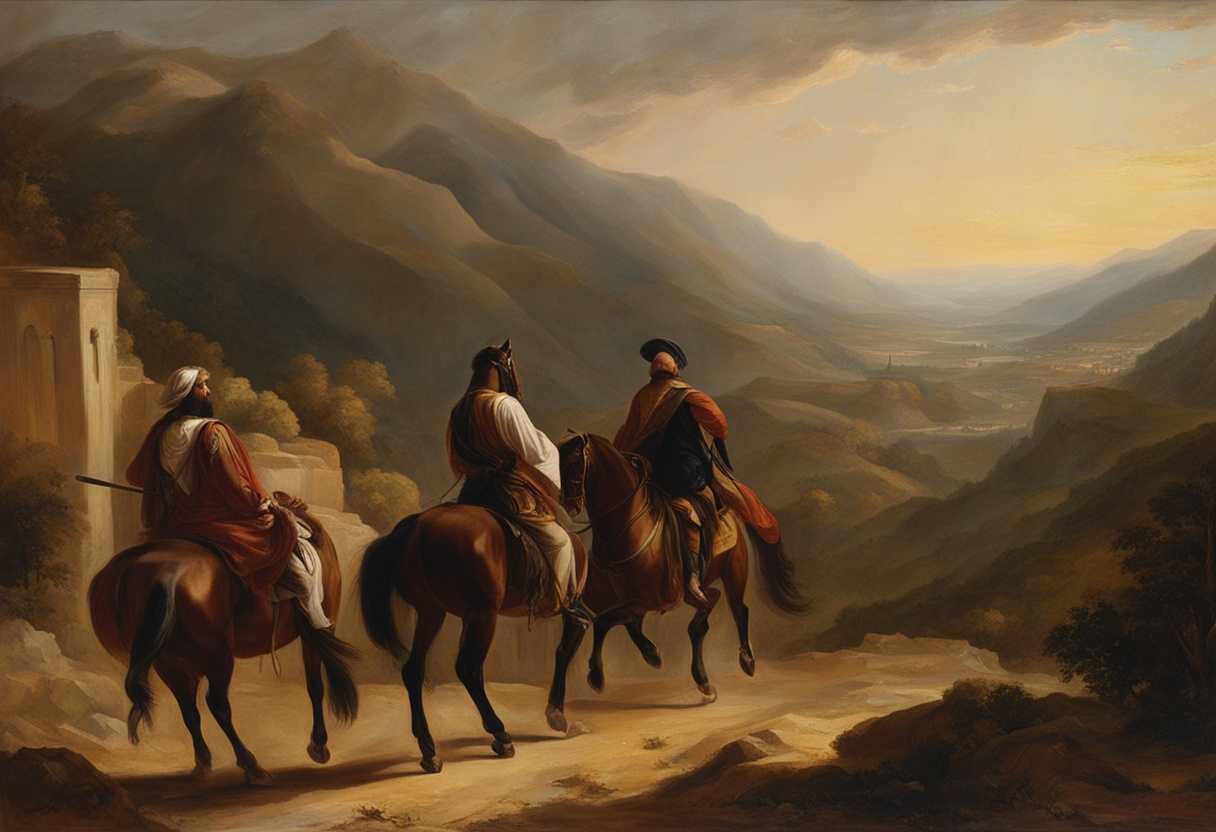
Setting the Scene for 2 Samuel 2:8
In 2 Samuel chapter 2, we find ourselves in the aftermath of the death of King Saul and his son Jonathan. The scene is set in Hebron, a significant city in ancient Israel. The focus is on David, who has just received the news of Saul and Jonathan’s deaths. David is deeply grieved by the loss of his dear friend Jonathan and his former mentor, King Saul.
As David mourns, he is approached by messengers from the tribe of Judah, who come to Hebron to anoint him as the new king over Judah. The men of Judah recognize David’s leadership qualities and his anointing by the prophet Samuel. They see him as the rightful successor to Saul’s throne. David, though still mourning, accepts the offer and is anointed as king over Judah.
The atmosphere in Hebron is tense as the news of Saul’s death spreads, and the nation is divided between those who support David and those who support Ish-bosheth, Saul’s son, as the new king. The stage is set for a power struggle and a time of political upheaval in Israel.
What is 2 Samuel 2:8 about?
Abner chooses to support Ish-bosheth as the king after the death of Saul in this verse. This decision by Abner ignites a civil war between the followers of Ish-bosheth and David. This event marks a significant point in the history of Israel as it reveals the struggle for power and authority following the death of Saul, the previous king. The verse highlights the political complexities and tensions that often arise during times of transition in leadership.
Have you ever considered the impact of power struggles and conflicts on a society? This verse invites us to reflect on the consequences of political rivalries and the lengths people go to in order to secure or maintain positions of leadership. It raises questions about loyalty, ambition, and the cost of maintaining power. We delve into the story of Abner and Ish-bosheth, prompting us to ponder the complexities of human nature and the ways in which power dynamics can shape the course of history.
Understanding what 2 Samuel 2:8 really means
In the early chapters of 2 Samuel, we encounter a pivotal moment in Israel’s history as the kingship transitions from Saul to David. At the center of this political upheaval stands Abner, the formidable commander of Saul’s army. The mention of Abner as the “son of Ner” underscores his authority and lineage, highlighting his significant role in the power dynamics of the time. His loyalty to Saul, evident in his title as the “Commander of Saul’s army,” sets the stage for the unfolding drama following Saul’s demise.
Abner’s decision to support Ish-Bosheth, Saul’s son, and bring him to Mahanaim signifies his resistance to David’s kingship. This move not only reflects Abner’s allegiance to Saul’s lineage but also his opposition to the emerging reign of David. The strategic choice of Mahanaim as a base for Ish-Bosheth’s claim to the throne symbolizes a stronghold of resistance against David’s growing influence.
The biblical narrative intertwines themes of loyalty, leadership, and power struggles that resonate with contemporary society. Just as Abner navigated conflicting loyalties and power dynamics, individuals today face similar challenges in navigating relationships and allegiances in various spheres of life. The complexities of human nature and the consequences of resisting change are timeless lessons embedded in Abner’s actions.
Drawing parallels to modern scenarios, envision a workplace scenario where a seasoned manager, akin to Abner, aligns with the outgoing CEO (Saul). Upon the appointment of a new CEO (David), the manager’s loyalty may lead them to support a less qualified candidate (Ish-Bosheth) from the previous administration, sparking internal discord and organizational turmoil. This analogy underscores the repercussions of resisting necessary transitions and the impact of individual loyalties on collective harmony.
In conclusion, 2 Samuel 2:8 serves as a poignant reminder of the significance of wise leadership and the ramifications of opposing essential changes. It prompts introspection on personal loyalties and the ripple effects of individual choices within broader societal contexts. As we contemplate Abner’s actions and their repercussions, we are encouraged to evaluate our own allegiances and consider the implications of our decisions on the greater community.
How can we show loyalty to our leaders?
One way we can show loyalty to our leaders is by supporting and respecting their decisions. We demonstrate loyalty and trust in their leadership by acknowledging their authority and following their guidance. Additionally, offering our assistance and working collaboratively with our leaders to achieve common goals can also be a display of loyalty. Showing dedication to the vision and direction set by our leaders helps to strengthen the bond of trust and unity within the group.
Furthermore, expressing gratitude and appreciation for the work and sacrifices made by our leaders can also be a way to demonstrate loyalty. Recognizing their efforts and giving them the encouragement they need to persevere in their role can go a long way in fostering a positive relationship of loyalty and respect. Additionally, standing by our leaders during challenging times, offering our support, and remaining steadfast in our commitment to them can further solidify our loyalty and dedication.
Application
Think of David in 2 Samuel 2:8, navigating life’s challenges like a worker balancing tasks or a parent guiding their family. David trusted God and found safety in Hebron, just as we must trust and follow guidance in our own uncertain times. Can you muster the faith and courage to embrace the unknown, trusting in a greater plan? Could this trust be your refuge and strength in the modern world? What are you waiting for?

Reverend Michael Johnson is an experienced Church Minister with a profound expertise in spirituality and guidance. With a serene presence and a compassionate heart, he has faithfully served his congregation for over 20 years, leading them on a spiritual journey towards inner peace and enlightenment. Reverend Johnson’s extensive knowledge of religious philosophies and profound understanding of human nature have made him a trusted confidant and mentor to many, as he seamlessly weaves his profound wisdom into life teachings. Reverend Johnson’s calming demeanor and empathetic nature continue to uplift and heal souls, nurturing a sense of unity and tranquility within his community.