
Acts 10:14 is about God declaring all food clean and acceptable for consumption, signifying a shift from the Old Testament dietary laws to an era of inclusivity and grace for all people.
14 But Peter said, “By no means, Lord; for I have never eaten anything that is common or unclean.”
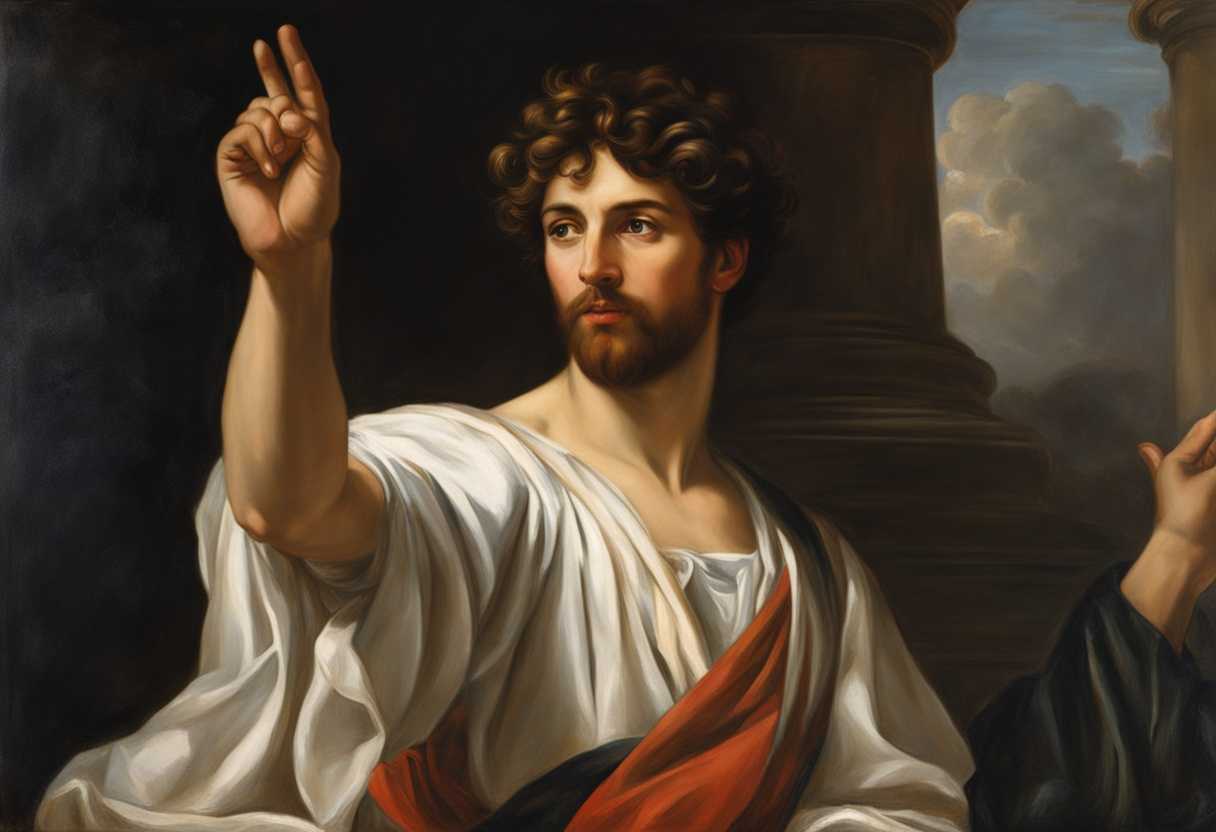
Setting the Scene for Acts 10:14
In Acts chapter 10, we find Peter, one of the twelve apostles of Jesus, on a rooftop in the city of Joppa. The scene is set in the afternoon, with the warm Mediterranean sun casting a golden glow over the bustling port city. Peter is staying at the house of Simon the tanner, a man whose trade involves working with animal hides, which was considered unclean by Jewish law.
As Peter is praying on the rooftop, he falls into a trance and sees a vision of a large sheet descending from heaven, filled with all kinds of animals, both clean and unclean according to Jewish dietary laws. A voice tells Peter to rise, kill, and eat, but Peter, being a devout Jew, refuses, stating that he has never eaten anything unclean. This vision is significant because it challenges Peter’s understanding of the dietary laws and prepares him for the groundbreaking revelation that the gospel is meant for both Jews and Gentiles alike.
In this pivotal moment, Peter’s perspective is about to be radically transformed as he is being prepared by God to visit and share the gospel with Cornelius, a Roman centurion, and his household. This encounter will mark a significant shift in the early Christian church’s understanding of God’s inclusive love and salvation for all people, regardless of their background or ethnicity.
What is Acts 10:14 about?
This verse from the Bible is a powerful reminder that as humans, we should not judge or discriminate against others based on superficial or arbitrary reasons. The verse in this context refers to the idea that all people, regardless of their background or circumstances, are equal in the eyes of God. We should view all individuals as equal and deserving of love and respect, just as God has declared all food to be clean.
The message of this verse challenges us to look beyond our own biases and prejudices and to see the inherent worth and dignity of each person. It prompts us to question why we may be quick to judge or dismiss others, and encourages us to strive towards a more inclusive and compassionate way of living. This verse calls on us to approach each person with open hearts and minds, and to treat them with the same love and acceptance that God shows to us by reminding us that God has made all things clean. We can reflect on how to apply this message in our own lives. How can we practice kindness and understanding towards those who may be different from us? How can we align our actions with the belief that all individuals are worthy of respect and dignity? Meditating on this verse may inspire us to live out its message of love and acceptance towards all people.
Understanding what Acts 10:14 really means
Let’s break down this verse into a structure that helps us explore its deeper meaning and relevance for today’s reader.
1. Context and Background
Acts 10:14 is part of a larger narrative where Peter receives a vision from God. This vision is crucial because it addresses a significant shift in the early Christian community regarding the inclusion of Gentiles. The backdrop here is Peter’s vision of a sheet containing all kinds of animals, which he is instructed to kill and eat. Peter’s response reflects his adherence to Jewish dietary laws: “Surely not, Lord! I have never eaten anything impure or unclean.”
2. Key Phrases and Their Meanings
- “Surely not, Lord!”: This phrase shows Peter’s initial resistance to God’s command. It highlights the tension between human tradition and divine instruction.
- “I have never eaten anything impure or unclean.”: This underscores Peter’s commitment to Jewish laws and rituals, which distinguished clean and unclean foods as outlined in Leviticus 11.
3. Theological Implications
Peter’s reaction speaks volumes about the early Church’s struggle between old traditions and new revelations. God was expanding Peter’s understanding beyond Jewish customs to embrace a more inclusive approach. This moment foreshadows the eventual acceptance of Gentiles into the Christian faith, which Paul elaborates on in Galatians 3:28, stating, “There is neither Jew nor Greek, slave nor free, male nor female, for you are all one in Christ Jesus.”
4. Application for Today
This verse challenges us to reflect on our own resistance to change, especially when it comes to religious or cultural traditions. Are there areas in our lives where we cling to old habits or prejudices, even when God is leading us in a new direction? Acts 10:14 invites us to be open to God’s transformative work, even when it means stepping out of our comfort zones.
5. Relevance and Anecdote
Imagine a church that has always worshipped in a particular style. One day, a new pastor suggests incorporating contemporary music to attract younger congregants. Initially, the older members resist, citing tradition and their comfort with the old ways. However, they eventually realize that the essence of worship remains unchanged, even if the style does. This mirrors Peter’s journey—from resistance to acceptance—showing that God’s message can transcend our human boundaries.
**6. Jesus declares all foods clean in Mark 7:18-19, challenging the Pharisaical traditions and pointing towards a more inclusive understanding of purity. This prefigures the vision in Acts, reinforcing the idea that God’s kingdom is broader than our initial perceptions.
7. Conclusion and Reflection
Acts 10:14 is a powerful reminder that God’s plans often stretch beyond our understanding and traditions. Peter’s initial refusal and subsequent acceptance illustrate the necessary process of spiritual growth and openness. Let’s remain receptive to God’s guidance as we navigate our faith journeys, even when it challenges our long-held beliefs. God might be asking you to embrace change in what areas of your life.
Does God show favoritism or exclusion in salvation?
No, God does not show favoritism or exclusion in salvation. Peter learns in Acts 10:14 that God does not show favoritism but accepts people from every nation who fear Him and do what is right. This verse emphasizes that all people, regardless of their background or ethnicity, have the opportunity to receive salvation through faith in Jesus Christ.
This verse is a powerful reminder that God’s love and grace extend to all people equally. Salvation is not based on race, nationality, or any other external factor, but on a person’s relationship with God and their faith in Jesus. This message of inclusivity is a central theme in the Bible, highlighting the universal offer of salvation to all who will believe. God ultimately desires for all people to come to know Him and experience the gift of salvation. He does not play favorites or exclude anyone based on worldly standards, but offers the free gift of grace and forgiveness to all who are willing to receive it.
Application
Imagine your life is a book, and you’ve been sticking to the same chapter for too long. Acts 10:14 challenges you to turn the page and discover new stories God is writing just for you. Are you prepared to leave your comfort zone, trust in God’s direction, and explore the uncharted territories He has laid out before you? How long will you wait before you let God show you the next thrilling part of your journey?

Reverend Michael Johnson is an experienced Church Minister with a profound expertise in spirituality and guidance. With a serene presence and a compassionate heart, he has faithfully served his congregation for over 20 years, leading them on a spiritual journey towards inner peace and enlightenment. Reverend Johnson’s extensive knowledge of religious philosophies and profound understanding of human nature have made him a trusted confidant and mentor to many, as he seamlessly weaves his profound wisdom into life teachings. Reverend Johnson’s calming demeanor and empathetic nature continue to uplift and heal souls, nurturing a sense of unity and tranquility within his community.