
Amos 1:7 is about the punishment of Edom for their relentless pursuit of revenge against their brother nation, Israel, and their refusal to show mercy, reflecting the consequences of harboring vengeful and unforgiving attitudes.
7 So I will send a fire upon the wall of Gaza, and it shall devour her strongholds.
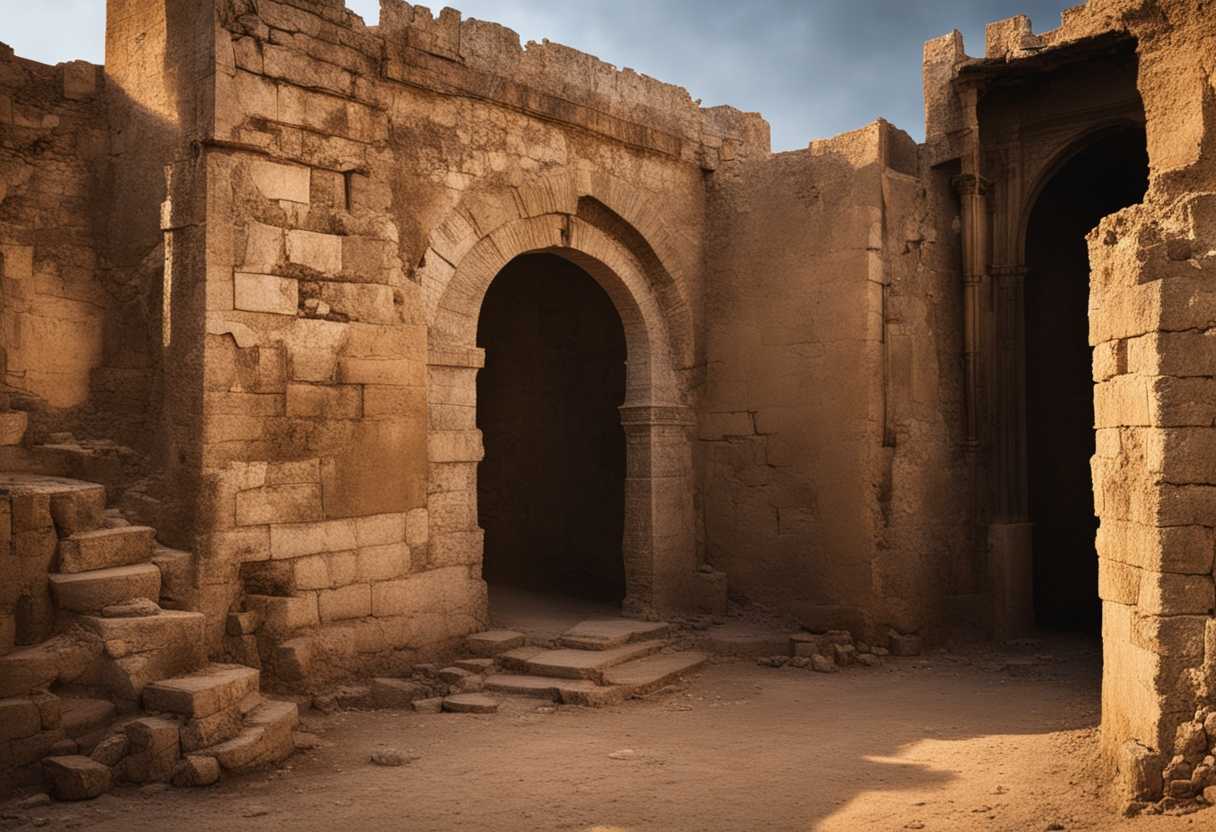
Setting the Scene for Amos 1:7
The scene in Amos 1:7 takes place in the ancient city of Gaza, one of the five chief cities of the Philistines. The city is bustling with activity as merchants sell their goods in the marketplace, children play in the dusty streets, and the sound of camels and donkeys can be heard in the distance. The sun beats down on the city, casting long shadows as the day progresses.
In the scene, we find Amos, a shepherd from Tekoa who has been called by God to prophesy against the nations. Amos stands in the city square, his voice ringing out as he delivers a message of judgment against Gaza for their sins and transgressions. The people of Gaza stop in their tracks to listen, some scoffing at his words while others feel a sense of unease at the gravity of his message.
As Amos continues to speak, the crowd grows larger, drawing the attention of the city’s rulers and officials. They listen intently, their faces betraying a mix of curiosity and concern as they hear the words of the prophet. The scene is tense, with the weight of Amos’ message hanging heavy in the air, a stark reminder of the consequences of turning away from God.
What is Amos 1:7 about?
A powerful message about God’s justice and accountability is seen in Amos 1:7. The verse highlights how God holds individuals and nations accountable for their actions, especially when they harm others. Here, the focus is on Edom, a nation that mistreated their brother Israel. Through this verse, we learn that God is aware of all our deeds, and He will not overlook any injustices or violence we commit against others.
Have you ever considered the idea of divine justice and how it plays a role in our lives? This verse reminds us that our actions have consequences, and God will ultimately hold us accountable for how we treat others. It prompts us to reflect on our behavior towards our neighbors, friends, and even strangers. Are we living in a way that honors God and respects the dignity of others, or are we engaging in actions that could cause harm or injustice?
The message in this verse serves as a powerful reminder of the importance of treating others with kindness, compassion, and respect. It calls us to consider our own actions and how they impact those around us. God ultimately emphasizes His unwavering commitment to justice and holding the wicked accountable for their deeds. Take a moment to ponder the significance of this verse in your own life and how you can strive to live in a way that aligns with God’s values of love and righteousness.
Understanding what Amos 1:7 really means
Structure
- Introduction and Context: Briefly introduce the verse and provide historical context.
- Key Phrases and Meanings: Break down and explain significant phrases in the verse.
- Cross-References: Relate the verse to other biblical passages that add depth to its meaning.
- Relevance Today: Discuss why this verse is still pertinent to modern readers.
- Anecdote and Application: Share a story or example to illustrate the verse’s application in contemporary life.
- Reflection Questions: Pose questions to engage the reader in personal reflection.
Commentary
-
Introduction and Context:
Amos 1:7 is part of a series of prophecies delivered by Amos, a shepherd turned prophet, who spoke against the nations surrounding Israel for their various transgressions. God pronounces judgment upon Gaza in this verse for their sins, specifically their violence and betrayal. This verse reminds us of the broader themes of divine justice and the moral accountability of nations. -
Key Phrases and Meanings:
The verse emphasizes phrases like “I will send fire upon the walls of Gaza” and “consume her fortresses.” The imagery of fire symbolizes God’s purifying judgment—a force that eradicates sin and injustice. The “walls of Gaza” represent the city’s defenses, indicating that no human fortification can withstand divine retribution. The “fortresses” denote places of power and security, underscoring that true security lies not in physical strength but in righteousness. -
Cross-References:
To deepen our understanding, we can refer to Isaiah 66:15-16, where God’s judgment by fire is also depicted. Additionally, Ezekiel 25:15-17 speaks specifically against the Philistines, including Gaza, for their persistent enmity against Israel. These cross-references reinforce the consistent message of God’s justice throughout the Bible. -
Relevance Today:
Why is this verse relevant to us today? It serves as a poignant reminder that God’s justice is universal and timeless. This verse reassures us that God sees and will address all forms of wrongdoing in a world where injustice and violence often seem rampant. It also urges us to reflect on our own actions and the moral state of our communities. -
A small town plagued by corruption and violence should be considered. The community leaders, much like the fortresses of Gaza, think they are untouchable. However, when a whistleblower exposes the corruption, leading to a thorough investigation and eventual justice, it mirrors the divine intervention Amos speaks of. Truth and justice can dismantle corrupt power structures just as the fire consumes the fortresses.
-
Reflection Questions:
- How do we see the themes of justice and accountability playing out in our own lives and communities?
- Are there “walls” or “fortresses” in our lives that we rely on more than we rely on God?
- How can we act as agents of God’s justice in our daily interactions? We can better align ourselves with the principles of divine justice exemplified in Amos 1:7 and work towards a more righteous and compassionate world by contemplating these questions.
Are we taking advantage of those in need?
This verse speaks about the consequences of exploiting and taking advantage of those in need. It serves as a reminder that such actions do not align with the will of God, and that there will be repercussions for those who engage in such behaviors. Individuals who disregard the well-being of others in order to satisfy their own selfish desires are acting in direct opposition to the principles of justice and compassion that are central to many religious teachings.
Therefore, it is important for us to reflect on our actions and consider whether we are truly helping those in need or if we are taking advantage of them for personal gain. This verse calls us to a higher standard of ethical behavior, one that requires us to treat others with respect and kindness, especially when they are vulnerable or in a position of need. It serves as a powerful reminder of the importance of acting with integrity and compassion towards our fellow human beings.
Application
Look deep inside yourself and question your actions. Just as you wouldn’t ignore a problem at work or in your family, don’t ignore the injustices you see. Stand up for what’s right and bring compassion and love to your community. Be the change, be the light amid the shadows. Will you step up and make a difference?

Reverend Michael Johnson is an experienced Church Minister with a profound expertise in spirituality and guidance. With a serene presence and a compassionate heart, he has faithfully served his congregation for over 20 years, leading them on a spiritual journey towards inner peace and enlightenment. Reverend Johnson’s extensive knowledge of religious philosophies and profound understanding of human nature have made him a trusted confidant and mentor to many, as he seamlessly weaves his profound wisdom into life teachings. Reverend Johnson’s calming demeanor and empathetic nature continue to uplift and heal souls, nurturing a sense of unity and tranquility within his community.