
Baruch 6:1-5 is about warning against the worship of idols as powerless creations of human hands and emphasizing that true God is the one who created the heavens and the earth, deserving of reverence and honor.
1 When King Nebuchadnezzar heard about it, he became very angry and ordered that all the wise men of Babylon be put to death.
2 And when you have come into the fire, you will not be burned, and the flame will not consume you.
3 They are not gods, so do not fear them.
4 They are made of wood and overlaid with gold; they are fastened with hammers and nails so that they do not loosen.
5 Its temples are full of gods of gold and silver, and the ornaments of its priests are covered with gold; it is their custom to pull off silver and gold from their gods and spend it on themselves;
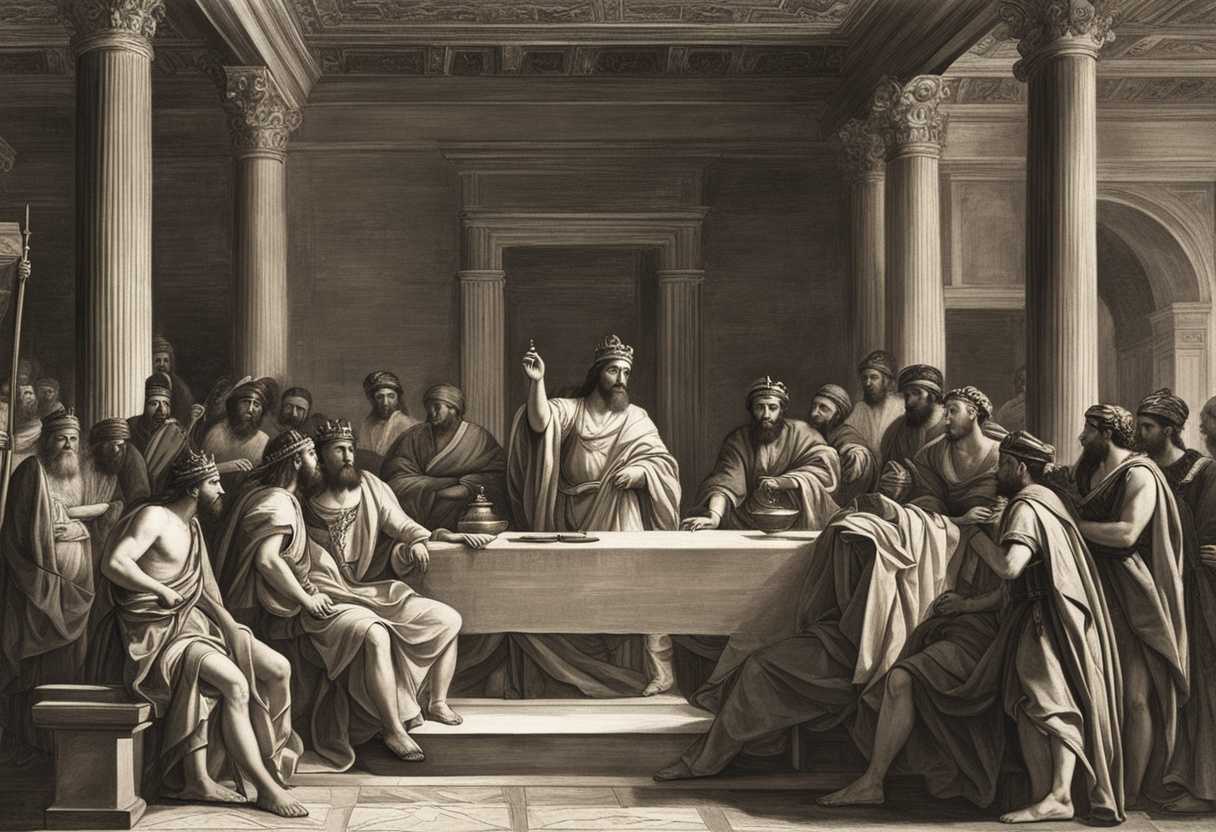
Setting the Scene for Baruch 6:1-5
In the scene described in Baruch chapter 6, we find the prophet Baruch, a faithful scribe and companion of the prophet Jeremiah, standing in the grand temple of the Babylonian god Bel. Baruch, along with a group of Jewish exiles, had been brought to this foreign land as captives after the Babylonian conquest of Jerusalem. The temple of Bel was a magnificent structure, adorned with gold and silver, and filled with lavish offerings from the Babylonians.
As Baruch and his fellow exiles stood in the temple, they were surrounded by the Babylonian priests and worshippers who bowed down before the idol of Bel, offering sacrifices and burning incense. The atmosphere was thick with the scent of offerings and the sound of chanting priests. Baruch, however, remained steadfast in his faith in the one true God of Israel, refusing to participate in the idolatrous worship of Bel. Despite the pressure to conform to the ways of their captors, Baruch and his companions remained resolute in their devotion to God, even in the midst of a foreign land and surrounded by pagan practices.
What is Baruch 6:1-5 about?
Imagine standing in a room filled with statues made of gold, silver, and wood. Baruch 6:1-5 serves as a reminder of the futility of worshipping these lifeless idols. It challenges us to question why we would put our trust and faith in something that has no power or ability to provide guidance, protection, or salvation. We urge readers to reflect on their own beliefs and practices. Do we place our trust in material possessions, societal expectations, or fleeting pleasures? Are we seeking fulfillment and purpose in empty idols that can never truly satisfy our deepest needs? Baruch 6:1-5 serves as a cautionary tale, reminding us to anchor our faith in something greater than ourselves, in a living and loving God who offers true peace, hope, and salvation.
Let this passage encourage us to reexamine our priorities and beliefs. May it inspire us to turn away from the allure of false gods and instead place our trust in the one true source of life and light.
Understanding what Baruch 6:1-5 really means
The Book of Baruch, attributed to the scribe of the prophet Jeremiah, offers valuable insights into the consequences of sin and the importance of remaining faithful to God. In Baruch 6, also known as the “Letter of Jeremiah,” the exiled Jewish community in Babylon is warned against idolatry and urged to stay true to their faith amidst adversity. The text emphasizes the cause-and-effect relationship between the people’s sins and their captivity under Nebuchadnezzar, serving as a stark reminder of the repercussions of turning away from God. This connection between actions and consequences is a timeless lesson that prompts reflection on our own choices and their outcomes.
Amidst the bleak prophecy of exile, there shines a glimmer of hope in the promise of eventual restoration and peace. The assurance that after a long period of suffering, God will bring His people back in peace offers a beacon of light in the darkness of despair. This message of hope resonates not only with the exiles in Babylon but also with individuals facing trials and tribulations today. It serves as a reminder that even in the midst of adversity, there is a future filled with promise and restoration awaiting those who remain steadfast in their faith.
The warning against idolatry in Baruch 6:1-5 extends beyond the physical idols of silver and gold to encompass modern-day temptations that can lead us astray from true worship. Just as the exiles were lured by false gods, contemporary society grapples with the allure of materialism, fame, and power as substitutes for genuine spiritual fulfillment. This cautionary tale prompts us to examine our own lives and identify the idols that may be hindering our relationship with God, urging us to refocus on what truly matters in our faith journey.
Drawing parallels to related biblical passages such as Jeremiah 29:10-14, Isaiah 44:9-20, and Exodus 20:3-5 reinforces the enduring relevance of Baruch’s message in today’s context. These passages collectively emphasize the folly of idolatry, the promise of restoration, and the unequivocal commandment against worshiping false gods. They provide a comprehensive framework for understanding the dangers of straying from God’s path and the hope that awaits those who remain faithful.
In a world where the pursuit of success and material wealth often takes precedence over spiritual well-being, the anecdote of a young professional consumed by ambition serves as a poignant illustration of the modern-day struggle against idolatry. The emptiness and disconnection experienced despite outward achievements mirror the spiritual void that can result from misplaced priorities. Baruch 6:1-5 challenges us to reassess our values, redirect our focus towards faith, relationships, and integrity, and guard against the allure of contemporary idols that threaten to lead us astray.
In conclusion, Baruch 6:1-5 stands as a timeless testament to the dangers of idolatry and the enduring hope of restoration for those who remain faithful. Its message resonates across generations, urging us to heed the warnings of the past, stay steadfast in our faith amidst trials, and resist the allure of false gods in all their forms. As we navigate the complexities of modern life, may we draw inspiration from Baruch’s wisdom to prioritize our relationship with God above all else, finding solace in the promise of eventual peace and restoration.
What idols do we worship instead of God?
Idols we may worship instead of God can be anything that we hold in higher esteem than the divine. This can include material possessions, power, fame, or even our own desires and ambitions. When we place these things above God, we are essentially worshipping them as idols. This can lead us astray from the true path of faith and can hinder our relationship with God. The mention of idols in the context of the verse warns against idolatry and the worship of false gods. It reminds us to examine our hearts and actions to ensure that we are not giving precedence to anything else above God. We can strengthen our connection with the Creator and stay true to our faith by recognizing and rejecting these idols in our lives. The verse ultimately highlights the importance of staying focused on worshipping God alone and rejecting any false idols that may try to distract us from our spiritual journey. It serves as a reminder to prioritize our relationship with God above all else and to guard against anything that may lead us away from His love and guidance.
Application
Reflect on Baruch 6:1-5. Honor the Lord in all you do, stand strong in your beliefs, and resist worldly temptations. Be a loyal servant of God, holding onto His teachings. Will you embody this verse daily, unwavering in faith when faced with trials and distractions?

Reverend Michael Johnson is an experienced Church Minister with a profound expertise in spirituality and guidance. With a serene presence and a compassionate heart, he has faithfully served his congregation for over 20 years, leading them on a spiritual journey towards inner peace and enlightenment. Reverend Johnson’s extensive knowledge of religious philosophies and profound understanding of human nature have made him a trusted confidant and mentor to many, as he seamlessly weaves his profound wisdom into life teachings. Reverend Johnson’s calming demeanor and empathetic nature continue to uplift and heal souls, nurturing a sense of unity and tranquility within his community.