
Deuteronomy 15:19-20 is about the importance of willingly returning to God a portion of the firstfruits of His blessings in order to demonstrate gratitude, obedience, and trust in Him.
19 “All the firstborn males that are born of your herd and flock you shall dedicate to the Lord your God. You shall do no work with the firstborn of your herd, nor shear the firstborn of your flock.
20 You shall eat it, you and your household, before the Lord your God year by year at the place that the Lord will choose.
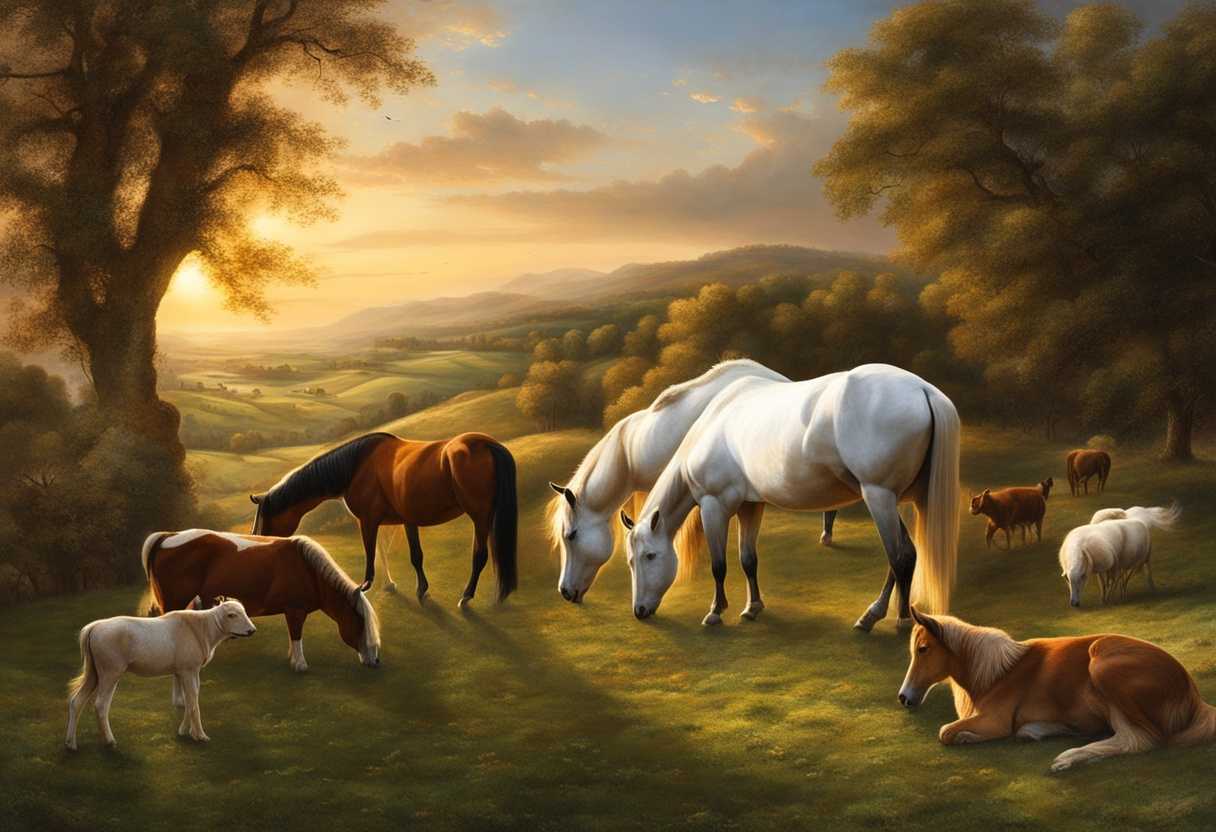
Setting the Scene for Deuteronomy 15:19-20
In Deuteronomy chapter 15, we find the scene set in ancient Israel during the time of Moses. The Israelites have been wandering in the wilderness for years, and they are now preparing to enter the Promised Land. Moses, the revered leader of the Israelites, is addressing the people as they gather in the vast desert plains near Mount Sinai. The air is filled with a sense of anticipation and reverence as the people listen intently to the words of their wise leader.
Among the crowd are the priests, Levites, elders, and ordinary Israelites who have come to hear Moses speak. They have all come together to learn about the laws and commandments that will govern their lives as they enter the land that God has promised them. The surroundings are awe-inspiring, with the majestic Mount Sinai towering in the background and the vast desert stretching out before them.
As Moses speaks, he imparts the instructions given to him by God regarding the proper way to offer sacrifices and tithes. He emphasizes the importance of obedience and generosity, reminding the people that they are to give their best to the Lord. The scene is one of unity and reverence, as the Israelites prepare to embark on a new chapter in their journey with God.
What is Deuteronomy 15:19-20 about?
The verse presents the act of sacrificing the firstborn livestock as a way to honor God’s provision and seek His blessing. This practice dates back to ancient times when livestock was a valuable resource and a sign of wealth. People acknowledged God’s role as the ultimate provider and expressed gratitude for His blessings by offering the firstborn of the flock. This act also symbolized trust in God’s continued provision, as giving away the firstborn was a demonstration of faith that He would sustain them and provide for their needs.
The concept of sacrificial offering in this context goes beyond a mere physical act; it is a symbol of obedience, worship, and reliance on God’s providence. Through this practice, individuals expressed their commitment to God and their desire for His favor and protection. People were essentially saying, “God, we trust in You to sustain us and guide us,” by sacrificing the firstborn livestock. We offer this as a symbol of our gratitude and dependence on Your provision.” This verse serves as a reminder of the importance of recognizing God’s role as the ultimate provider and seeking His blessings through acts of worship and obedience.
Understanding what Deuteronomy 15:19-20 really means
Deuteronomy 15:19-20, nestled within the Mosaic Law, instructs the Israelites to consecrate their firstborn animals to the Lord. This act of setting apart the firstborn as holy signifies acknowledging God’s sovereignty and provision. The directive not to use these consecrated animals for personal gain underscores the principle that what is dedicated to God should not be exploited for selfish purposes. Additionally, the communal aspect of this offering, where the family eats in the presence of the Lord, fosters gratitude and fellowship with God.
In Exodus 13:2, a similar command is reiterated, emphasizing the consecration of every firstborn male to God. Numbers 18:17-18 provides further details on the sacrificial process, highlighting the holiness of these offerings and their significance in pleasing the Lord. These passages collectively emphasize the importance of dedicating the first and best to God, whether in possessions, time, or talents.
The relevance of this principle extends to contemporary life, encouraging individuals to prioritize spiritual practices, charitable giving, and serving others as acts of worship. By dedicating our resources and talents to God, we cultivate a mindset of gratitude and recognition of His provision. For instance, a farmer donating the first fruits of the harvest to a food bank annually not only aids those in need but also serves as a reminder of blessings received and the commitment to sharing those blessings with others.
Similarly, a business owner allocating a portion of profits to charitable causes mirrors the concept of consecrating the first and best to God. This practice not only benefits the community but also reinforces the idea of stewardship and generosity. Deuteronomy 15:19-20, therefore, teaches us about the significance of dedicating our first and best to God, fostering a spirit of gratitude and community.
By applying these principles in our lives today, we can deepen our sense of purpose and connection with God and others. Whether through acts of giving, service, or worship, consecrating the first and best to God allows us to express gratitude, acknowledge His provision, and participate in building a community centered on faith and generosity.
How can we generously give our best to God?
We can generously give our best to God by presenting to Him the first and finest of our produce and possessions. Just like how the Israelites were instructed to bring the firstborn of their flock to the house of the Lord, we too can offer our best to God, not out of obligation, but out of a heart of gratitude and reverence. We demonstrate our love and commitment to God by prioritizing and dedicating our best to Him.
Our offering to God should be given with a spirit of joy and thanksgiving, recognizing that everything we have ultimately comes from Him. It is not about the quantity or worth of the gift, but the attitude of our hearts when presenting it before God. We show God that we value and honor Him above all else by giving our best to Him, acknowledging His sovereignty and provision in our lives. May we always seek to honor God with our best in every aspect of our lives, knowing that He deserves nothing less than our utmost devotion and dedication.
Application
Dear reader, just like tending to your work and caring for your family, showing gratitude to the Lord is essential in your journey. Sacrificing your best to honor Him can symbolize your trust in His abundant blessings. Are you ready to exhibit faith and obedience by following this divine command in your daily life?

Reverend Michael Johnson is an experienced Church Minister with a profound expertise in spirituality and guidance. With a serene presence and a compassionate heart, he has faithfully served his congregation for over 20 years, leading them on a spiritual journey towards inner peace and enlightenment. Reverend Johnson’s extensive knowledge of religious philosophies and profound understanding of human nature have made him a trusted confidant and mentor to many, as he seamlessly weaves his profound wisdom into life teachings. Reverend Johnson’s calming demeanor and empathetic nature continue to uplift and heal souls, nurturing a sense of unity and tranquility within his community.