
1 “You shall not sacrifice to the Lord your God an ox or a sheep in which is a blemish, any defect whatever, for that is an abomination to the Lord your God.”
2 If there is found among you, within any of your towns that the Lord your God is giving you, a man or woman who does what is evil in the sight of the Lord your God, in transgressing his covenant,
3 And has gone and served other gods and worshiped them, or the sun or the moon or any of the host of heaven, which I have forbidden,
4 and it is told you and you hear of it, then you shall inquire diligently, and if it is true and certain that such an abomination has been done in Israel,
5 then you shall bring out to your gates that man or woman who has done this evil thing, and you shall stone that man or woman to death with stones.
6 On the evidence of two witnesses or of three witnesses the one who is to die shall be put to death; a person shall not be put to death on the evidence of one witness.
7 The hands of the witnesses shall be first against him to put him to death, and afterward the hands of all the people. So you shall purge the evil from your midst.
8 “If any case arises requiring decision between one kind of homicide and another, one kind of legal right and another, or one kind of assault and another, any case within your towns that is too difficult for you, then you shall arise and go up to the place that the Lord your God will choose.
9 You shall come to the Levitical priests and to the judge who is in office in those days, and you shall consult them, and they shall declare to you the decision.
10 “You shall do according to the decision of the law that they shall teach you, and according to the judgment that they shall tell you. You shall not turn aside from the verdict that they declare to you, either to the right hand or to the left.”
11 According to the instructions they give you and according to the decision they pronounce to you, you shall do. You shall not turn aside from the verdict that they declare to you, either to the right hand or to the left.
12 The man who acts presumptuously by not obeying the priest who stands to minister there before the Lord your God, or the judge, that man shall die. So you shall purge the evil from Israel.
13 And all the people shall hear and fear and not act presumptuously again.
14 “When you come to the land that the Lord your God is giving you, and you possess it and dwell in it and then say, ‘I will set a king over me, like all the nations that are around me,’”
15 you may indeed set a king over you whom the Lord your God will choose.
16 Only he must not acquire many horses for himself or cause the people to return to Egypt in order to acquire many horses, since the Lord has said to you, ‘You shall never return that way again.’
17 And he shall not acquire many wives for himself, lest his heart turn away, nor shall he acquire for himself excessive silver and gold.
18 “And when he sits on the throne of his kingdom, he shall write for himself in a book a copy of this law, approved by the Levitical priests.”
19 And it shall be with him, and he shall read in it all the days of his life, that he may learn to fear the Lord his God by keeping all the words of this law and these statutes, and doing them,
20 that his heart may not be lifted up above his brothers, and that he may not turn aside from the commandment, either to the right hand or to the left, so that he may continue long in his kingdom, he and his children, in Israel.
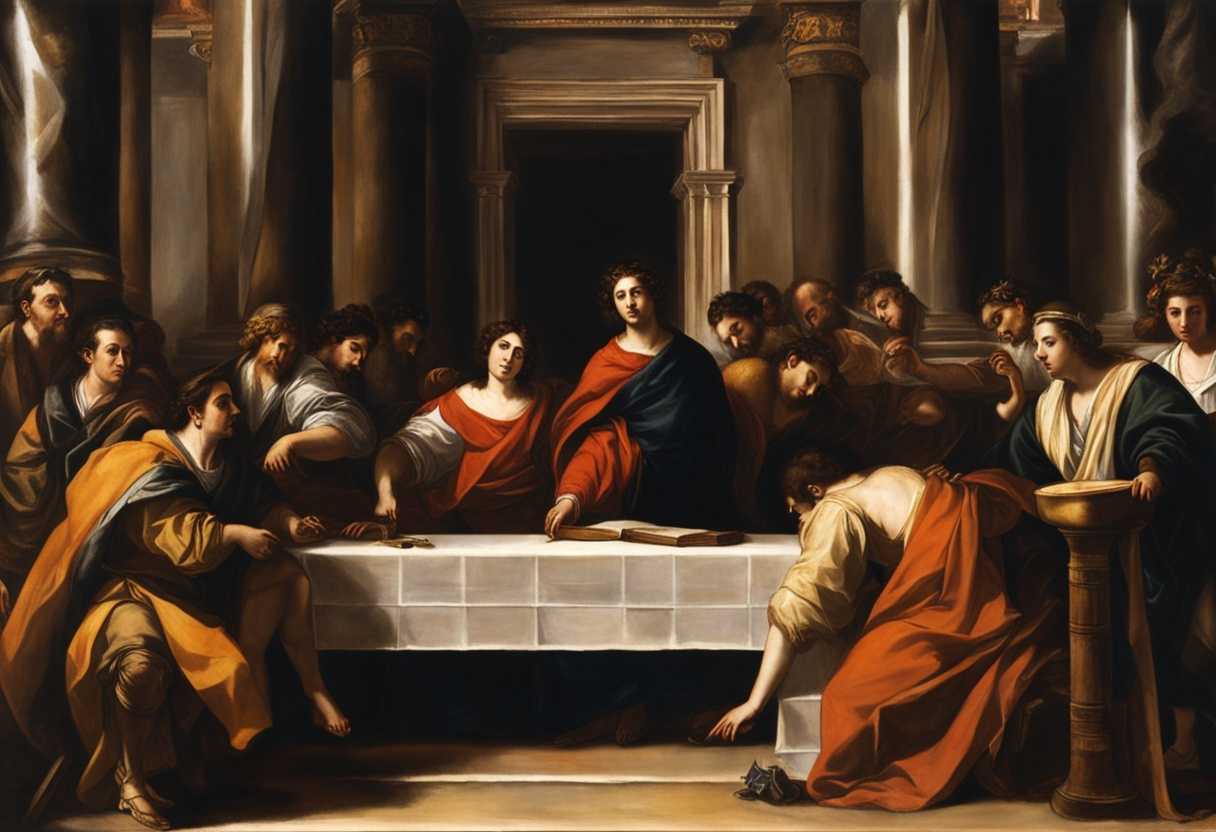
The True Meaning of Deuteronomy 17
The book of Deuteronomy was written by Moses, the great prophet and leader of the Israelites. Moses provided the Israelites with a series of laws and instructions to guide their lives and their relationship with God as they prepared to enter the Promised Land. Moses addresses the important matters of leadership and justice within the Israelite community in this chapter. He outlines the criteria for selecting a king, the responsibilities of the king, and the consequences of disobedience. These guidelines would ensure that the Israelites would have righteous and God-fearing leaders to guide them in the years to come.
Moses also emphasizes the importance of upholding justice and following the law, reminding the people that they must not show partiality or accept bribes. He stresses the need for reliable witnesses and a fair judicial system to maintain order and righteousness within the nation. These principles are echoed in other books of the Bible, such as Proverbs 17:23, which warns against the corrupting influence of bribery.
Deuteronomy 17:1-7
Verse 1 of Deuteronomy 17 commands the Israelites not to sacrifice to the Lord any ox, sheep, or other livestock that has any defect or flaw in it, for that would be detestable to the Lord your God. This verse sets the standard that offerings and sacrifices made to God should be of the best quality, without blemish or imperfection. This rule symbolizes giving our best to God, not offering Him our leftovers or what is damaged. This principle of offering our best to God is also reflected in other passages in the Bible. Jesus praised the widow who gave all she had, even though it was just two small coins in the New Testament (Mark 12:41-44). This illustrates that God values the sincerity and quality of our offerings more than their quantity.
Moving on to verse 2, if an Israelite is found worshiping idols or engaging in detestable practices, it is noted that this is something that goes against the covenant with God. Idolatry is a major theme throughout the Bible, where God consistently warns against the worship of idols and false gods. The Ten Commandments specifically address idolatry, stating, “You shall have no other gods before me” (Exodus 20:3). Idol worship was a constant temptation for the Israelites throughout their history, leading them into disobedience and away from the true worship of God. Those who are found worshiping idols or engaging in detestable practices in verses 2-7 of Deuteronomy 17 are to be investigated thoroughly. If the charges are proven true, the person is to be brought outside the city and stoned to death. The witnesses are to be the first to start the execution, followed by the rest of the people. This severe punishment for idolatry underscores the seriousness of the offense in the eyes of God. It serves as a reminder of the high standard of holiness and purity that God demands from His people.
This passage reminds us of the importance of maintaining a pure and sincere relationship with God, free from any form of idolatry or false worship. It emphasizes the need for obedience to God’s commandments and the consequences of straying from His ways. While the method of punishment described in this verse may seem harsh to us today, it highlights the Israelites’ call to uphold the covenant and the holiness of God above all else. The underlying message in these verses is one of allegiance and faithfulness to God, rejecting any form of idolatry or compromise in our worship of Him.
Deuteronomy 17:8-13
Moses instructs the Israelites in Deuteronomy 17:8-13 to bring their legal cases to the priests, Levites, and the judge who will be in office at that time. This section underscores the importance of seeking justice and following the established legal system within the community. The key aspect highlighted here is the requirement for impartiality in administering justice. The priests and judges were entrusted with the responsibility of upholding the law fairly and without bias.
This passage reminds us of the principle of justice that runs throughout the Bible. Proverbs 31:8-9 emphasizes that we should speak up for those who cannot speak for themselves and ensure justice for the oppressed. This aligns with the idea presented in Deuteronomy, where the legal system was meant to protect the vulnerable and ensure fairness for all members of society.
The mention of the priests and Levites is significant as they were the religious leaders of the Israelites. Their involvement in the legal process not only ensured adherence to the law but also connected the idea of justice with God’s moral standards. The priests were responsible for teaching the people God’s laws and principles, which were meant to guide their actions and decisions.
Furthermore, the role of the judge is crucial in this passage as they were entrusted with the task of making decisions based on the law. This emphasizes the importance of having just and knowledgeable individuals in positions of authority to uphold the law and maintain order within the community. Deuteronomy 17:8-13 serves as a reminder of the importance of justice, impartiality, and adherence to God’s laws in governing a community. It reinforces the idea that a society built on righteousness and fairness is pleasing to God and leads to blessings for its people. This passage also highlights the interconnectedness between religious beliefs and legal systems, emphasizing the significance of integrating moral principles into the governance of a society.
Deuteronomy 17:14-20
Several key sections in Deuteronomy 17:14-20 offer important insights into leadership, power, and obedience to God within the context of the Israelite nation. The passage begins by speaking about the appointment of a king over Israel, which acknowledges the eventual transition from a system of judges to a monarchy. This transition is a pivotal moment in the history of Israel, as it signals a shift in governance and authority.
The passage then lays out certain criteria for the king: he must be chosen by God, a fellow Israelite, not seek to accumulate horses for himself (a symbol of military power), and not take multiple wives, as this could lead his heart away from following God. These regulations point to the importance of having a king who is not motivated by personal gain or power, but rather by a desire to serve God and lead His people in righteousness. This emphasis on the king’s character and commitment to God sets a high standard for leadership within the nation of Israel.
The passage also underscores the importance of the king writing a copy of the law for himself and reading it all the days of his life. This requirement serves as a reminder that the king is not above God’s laws but subject to them, just like any other Israelite. The king is better equipped to rule justly and lead with wisdom, humility, and obedience to God’s commandments by immersing himself in the Word of God.
Furthermore, the stipulation that the king should not consider himself better than his fellow Israelites reminds him of the need for humility and a servant’s heart. This principle harkens back to the teachings of Jesus in the New Testament, where He emphasizes the importance of humility and servanthood among His followers. Jesus teaches in Mark 10:42-45 that true greatness comes from being a servant of all, echoing the foundational principles of leadership and service outlined in Deuteronomy 17.
The passage in Deuteronomy 17 closes with the idea that the king’s adherence to these instructions will prolong his reign and that of his descendants. This promise of God’s blessing upon obedient and righteous leadership reinforces the notion that God values those who govern with integrity, justice, and faithfulness to His commands. This theme of divine favor resting upon the righteous leader can be seen throughout the Bible, from King David, who was described as a man after God’s own heart (1 Samuel 13:14), to King Solomon, who was granted wisdom and wealth for his obedient heart (1 Kings 3:12-13). Deuteronomy 17:14-20 provides a blueprint for leadership that centers on God’s law, characterized by humility and obedience, and grounded in service to the people. Leaders can create a legacy of righteousness and experience the blessings of God’s favor upon their rule by adhering to these principles. This passage serves as a timeless reminder of the qualities that should define all forms of leadership, whether in the ancient nation of Israel or in contemporary society.
After Deuteronomy 17
The people had been warned. They had been given clear instructions on how to choose and appoint their leaders. Yet, they had still fallen into the trap of idolatry and corruption. The reverend knew that as the chapter came to a close, he would need to guide the people back to the righteous path. The road ahead would not be easy, but with faith and determination, they could overcome the darkness that had crept into their community. The reverend took a deep breath, steeling themselves for the difficult conversations and tough decisions that lay ahead. This was a test of their leadership, and they were determined to rise to the occasion.

Reverend Michael Johnson is an experienced Church Minister with a profound expertise in spirituality and guidance. With a serene presence and a compassionate heart, he has faithfully served his congregation for over 20 years, leading them on a spiritual journey towards inner peace and enlightenment. Reverend Johnson’s extensive knowledge of religious philosophies and profound understanding of human nature have made him a trusted confidant and mentor to many, as he seamlessly weaves his profound wisdom into life teachings. Reverend Johnson’s calming demeanor and empathetic nature continue to uplift and heal souls, nurturing a sense of unity and tranquility within his community.