
Deuteronomy 18:22 is about emphasizing the importance of discerning true prophets from false ones by examining whether their prophecies come to pass, highlighting the significance of credibility and authenticity in spiritual leadership.
22 when a prophet speaks in the name of the Lord, if the word does not come to pass or come true, that is a word that the Lord has not spoken; the prophet has spoken it presumptuously. You need not be afraid of him.
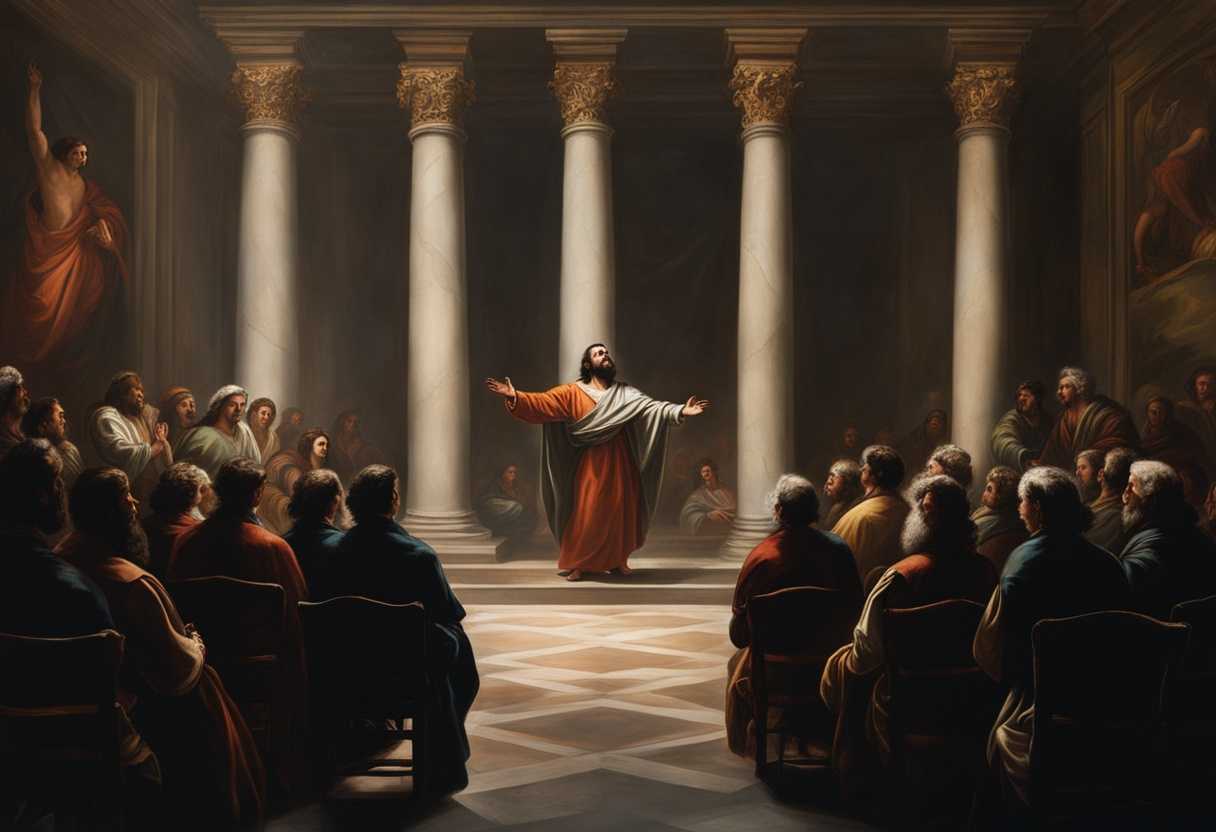
Setting the Scene for Deuteronomy 18:22
In Deuteronomy chapter 18, Moses is addressing the Israelites as they are encamped at the foot of Mount Sinai. The scene is set in the vast desert, with the majestic mountain looming in the background, its peak often shrouded in clouds. The Israelites have been wandering in the wilderness for years, following their deliverance from Egypt by the hand of God.
As Moses speaks to the people, he reminds them of the importance of listening to the true prophets of God and not being led astray by false prophets. The Israelites are gathered around him, their faces reflecting a mixture of awe and reverence as they listen to the words of their leader and mediator with God. The scene is filled with a sense of anticipation and solemnity, as the fate of the nation hangs in the balance.
Among the crowd are elders, priests, Levites, and ordinary Israelites, all eager to hear the instructions and commandments that Moses imparts to them on behalf of the Lord. The atmosphere is charged with the presence of God, and the people are reminded of their covenant relationship with Him. As they listen to Moses, they are reminded of the importance of obedience and faithfulness in their journey towards the Promised Land.
What is Deuteronomy 18:22 about?
Be wary of false prophets who may try to deceive us with inaccurate prophecies in this verse. The warning emphasizes the importance of discernment and critical thinking when encountering individuals claiming to have divine insight or guidance. We can safeguard ourselves against manipulation and falsehood by assessing the accuracy of their prophecies. Individuals who claim to have special knowledge or insight into the future are encountered often. How can we differentiate between genuine prophets and those who seek to mislead us? We can determine the authenticity of their claims and protect ourselves from potential harm by testing the legitimacy of their prophecies against reality. This verse serves as a reminder to stay vigilant and exercise discernment in the face of spiritual guidance offered by others.
Understanding what Deuteronomy 18:22 really means
In Deuteronomy 18:22, we delve into the realm of prophecy, distinguishing between the authentic words of God and deceptive claims. This verse serves as a guide for the Israelites, ensuring they do not fall prey to false prophets who may lead them astray from the path of righteousness. The ability to discern true prophecy from falsehood is crucial for maintaining a faithful relationship with God and upholding the covenant between the Israelites and their Creator.
Prophets held a significant role in ancient Israel, acting as messengers of God who conveyed His will and guidance to the people. Their words carried immense weight, as they were believed to be directly inspired by the divine. Prophecy served as a means of communication between God and His chosen people, offering direction, warnings, and promises to guide them in their faith and daily lives.
“When a prophet speaks in the name of the Lord,” signifies the solemnity of invoking God’s name in delivering a message. It underscores the sacred trust placed upon the prophet to accurately convey God’s words without distortion or personal agenda. The criteria for testing the validity of a prophecy are clear: if the foretold event does not come to pass, it is not of the Lord, and the prophet has spoken presumptuously, falsely claiming divine inspiration.
Related passages in Jeremiah, Matthew, and 1 John further illuminate the importance of discerning true prophets from false ones. Jeremiah emphasizes the fulfillment of prophecies as a sign of authenticity, while Jesus warns against false prophets and urges scrutiny based on their actions. John’s exhortation to test the spirits aligns with the need for discernment in identifying genuine spiritual guidance amidst a sea of deceptive teachings.
In today’s world, where misinformation and false teachings abound, the lesson of discernment from Deuteronomy remains relevant. Just as the ancient Israelites were cautioned to test the words of prophets, we are called to scrutinize the information we encounter, especially in matters of faith. Seeking truth and exercising discernment are essential practices in navigating the complexities of our modern society and upholding our spiritual integrity.
Consider the story of an individual who, misled by false information, found the truth through careful discernment and guidance. This narrative underscores the importance of testing and verifying the truth of what we hear, reminding us of the consequences of blindly accepting deceptive messages. In matters of faith, as in all aspects of life, the call to discern truth from falsehood remains a timeless imperative.
In conclusion, let us reflect on the wisdom of Deuteronomy 18:22 and the enduring relevance of its message. May we be vigilant in seeking truth, testing the spirits, and discerning the authentic voice of God amidst the noise of falsehood. As we navigate a world filled with conflicting messages and ideologies, may we be guided by the light of discernment and the assurance of God’s unwavering truth.
Am I seeking guidance from earthly sources or God?
Deuteronomy 18:22 emphasizes the importance of seeking counsel and guidance from God rather than relying solely on earthly sources when seeking guidance. This verse encourages believers to put their trust in the wisdom and guidance that comes from God’s word and presence. We can find true direction and clarity in our decision-making processes by acknowledging the authority and sovereignty of God in our lives.
When we turn to God for guidance, we are reminded that He is the ultimate source of wisdom and truth. Earthly sources may provide temporary solutions or temporary comfort, but the guidance that comes from God is enduring and trustworthy. We demonstrate our faith and reliance on God as our ultimate source of wisdom and direction by seeking His guidance. It is essential to filter out the distractions and focus on seeking guidance from God in a world filled with noise and conflicting opinions. We can navigate through life’s challenges with confidence and assurance by aligning our hearts and minds with His will. Remembering the message of Deuteronomy 18:22, we are encouraged to turn to God as our primary source of guidance and to trust in His infinite wisdom and love for us.
Application
Think of your spiritual journey like managing your time between work and family—you need to prioritize wisely. Deuteronomy 18:22 guides you to spot the true messages from God, just as you would sift through work emails to find what really matters. Use prayer, study, and the Holy Spirit like tools in your daily routine to stay focused and discerning. Will you step up and commit to staying true to your faith amidst all the noise?

Reverend Michael Johnson is an experienced Church Minister with a profound expertise in spirituality and guidance. With a serene presence and a compassionate heart, he has faithfully served his congregation for over 20 years, leading them on a spiritual journey towards inner peace and enlightenment. Reverend Johnson’s extensive knowledge of religious philosophies and profound understanding of human nature have made him a trusted confidant and mentor to many, as he seamlessly weaves his profound wisdom into life teachings. Reverend Johnson’s calming demeanor and empathetic nature continue to uplift and heal souls, nurturing a sense of unity and tranquility within his community.