
Deuteronomy 1:3 is about the Israelites’ journey through the wilderness, a physical and spiritual journey symbolizing overcoming challenges and growing in faith.
3 In the fortieth year, on the first day of the eleventh month, Moses spoke to the people of Israel according to all that the Lord had given him in commandment to them,
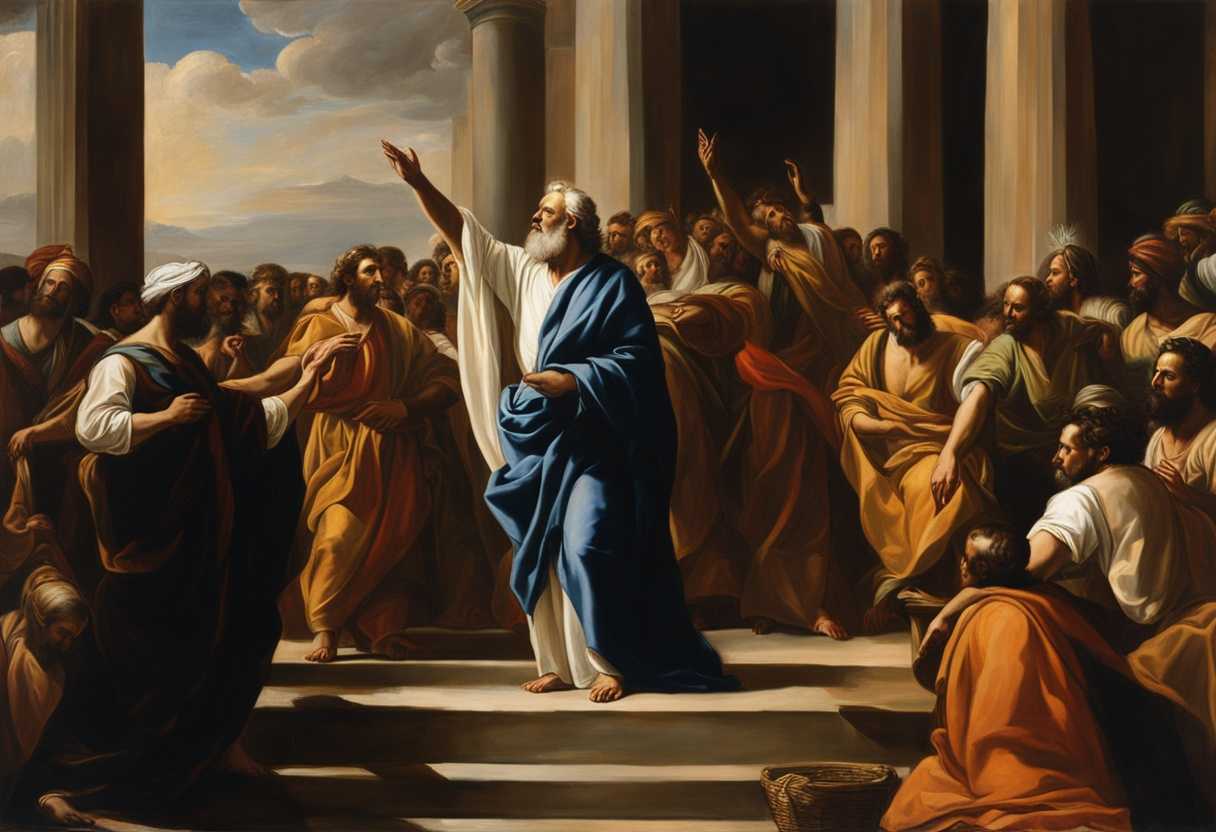
Setting the Scene for Deuteronomy 1:3
In Deuteronomy chapter 1, we find Moses addressing the Israelites in the wilderness. The scene is set in the plains of Moab, near the Jordan River, as the Israelites are preparing to enter the Promised Land after their long journey through the wilderness. The vast expanse of the plains stretches out before them, with the Jordan River flowing nearby, a tangible reminder of the land that God has promised to give them.
Moses, the revered leader of the Israelites, stands before the gathered assembly, his face weathered by years of leading God’s people through trials and tribulations. The Israelites, a multitude of men, women, and children, listen intently as Moses recounts their journey from Egypt, through the wilderness, and to the edge of the Promised Land. They are a mix of excitement and trepidation, eager to finally inherit the land flowing with milk and honey that God had promised to their ancestors.
As Moses speaks, the sun begins to set, casting a warm glow over the plains of Moab. The Israelites are reminded of the faithfulness of God throughout their journey, despite their grumblings and disobedience. In this moment, they are filled with hope and anticipation for the future that lies ahead as they stand on the brink of entering the land that God has prepared for them.
What is Deuteronomy 1:3 about?
Moses addresses the Israelites in this verse while they were in the desert east of the Jordan River. Moses was a central figure in the Israelites’ journey to the Promised Land, and his communication with the people was crucial for their faith, guidance, and unity as they navigated the challenges of the wilderness. This verse highlights the pivotal role of Moses as a leader and a messenger of God to the Israelites during their time in the desert.
Imagine the vast desert landscape stretching before you, and Moses standing before the Israelites with words of wisdom and instruction. Consider the significance of this moment in the Israelites’ history – a time of uncertainty, testing, and growth. This verse reminds us of the importance of effective communication, leadership, and faith in times of transition and adversity. We reflect on Moses’ role in guiding the Israelites through the desert, seeking guidance and strength from those who lead us with wisdom and faith, even in the midst of challenging circumstances.
Understanding what Deuteronomy 1:3 really means
Deuteronomy 1:3 provides us with a glimpse into the historical context of the Israelites as they stood on the cusp of entering the Promised Land after 40 years of wandering in the wilderness. This verse encapsulates a pivotal moment in their journey, marking the culmination of a period of testing, growth, and preparation. The mention of the “fortieth year” signifies the completion of a significant chapter in their history, underscoring the importance of perseverance and faithfulness in the face of challenges.
Moreover, the specific timing noted as “the first day of the eleventh month” highlights the divine order and precision in God’s plan for His people. It serves as a poignant reminder that God’s timing is perfect, and His purposes unfold according to His sovereign will. This attention to detail in the timing of events reinforces the idea that God is in control of all things, orchestrating circumstances for His glory and the good of those who trust in Him.
Moses’ role as the one speaking to the Israelites in this verse is crucial, emphasizing the significance of leadership and guidance in the faith journey of God’s people. As a mediator between God and the Israelites, Moses exemplifies the importance of having spiritual leaders who can impart wisdom, direction, and encouragement to those under their care. This highlights the value of mentorship and support in navigating the complexities of faith and obedience.
Drawing parallels to our lives today, Deuteronomy 1:3 prompts us to reflect on the themes of patience, trust, and divine timing. Just as the Israelites had to endure a period of waiting and preparation before entering the Promised Land, we too may encounter seasons of uncertainty and testing in our own journeys. This verse serves as a reminder that God’s timing is perfect, and His faithfulness endures through all circumstances.
Consider the story of Sarah, a young woman striving to fulfill her dream of becoming a doctor despite facing numerous obstacles along the way. Sarah’s unwavering faith and perseverance echo the Israelites’ 40-year journey, illustrating the importance of trusting in God’s plan even when the path seems long and arduous. Her eventual success in gaining acceptance to medical school mirrors the Israelites’ entry into the Promised Land, showcasing the rewards of patience, faith, and reliance on God’s timing.
In conclusion, Deuteronomy 1:3 beckons us to contemplate the faithfulness of God throughout history and in our present circumstances. It urges us to remain steadfast in our trust, knowing that God’s timing is impeccable and His plans for us are ultimately for our good. By internalizing the lessons embedded in this verse and its related passages, we can find encouragement and strength to persevere in our spiritual journeys, confident in the knowledge that God is with us every step of the way.
How can we remember God’s faithfulness in our lives?
We can remember God’s faithfulness in our lives by reflecting on the countless times He has provided for us, protected us, and shown His love towards us. God’s unwavering presence and faithfulness in fulfilling His promises to us remind us as we look back on these instances. We can strengthen our faith and trust in Him by acknowledging and recounting these experiences, knowing that He has been with us every step of the way.
Furthermore, we can remember God’s faithfulness by keeping a record or journal of answered prayers and significant moments where we clearly saw His hand at work in our lives. Writing down these testimonies can serve as a tangible reminder of God’s faithfulness, especially during times of doubt or difficulty. We can be encouraged and reassured of God’s goodness and trustworthiness, even in the midst of challenges or uncertainties, by revisiting these documented accounts. Sharing our personal testimonies of God’s faithfulness with others can also be a powerful way to remember and celebrate His work in our lives. We not only testify to God’s faithfulness but also encourage and inspire others in their own faith journey by sharing these stories. We cultivate a spirit of gratitude and praise, deepening our relationship with God and fortifying our trust in His unfailing love as we continually remind ourselves and others of the ways He has shown His faithfulness.
Application
Imagine navigating your career or family life with a reliable GPS. In Deuteronomy 1:3, we see the Israelites’ journey as a testament to God’s dependable direction. Trust in His plans like you trust your GPS; it will take you through tough roads to your destination. Will you choose to follow His guidance today and unlock the blessings ahead?

Reverend Michael Johnson is an experienced Church Minister with a profound expertise in spirituality and guidance. With a serene presence and a compassionate heart, he has faithfully served his congregation for over 20 years, leading them on a spiritual journey towards inner peace and enlightenment. Reverend Johnson’s extensive knowledge of religious philosophies and profound understanding of human nature have made him a trusted confidant and mentor to many, as he seamlessly weaves his profound wisdom into life teachings. Reverend Johnson’s calming demeanor and empathetic nature continue to uplift and heal souls, nurturing a sense of unity and tranquility within his community.