
5 “A woman shall not wear a man’s garment, nor shall a man put on a woman’s cloak, for whoever does these things is an abomination to the Lord your God.
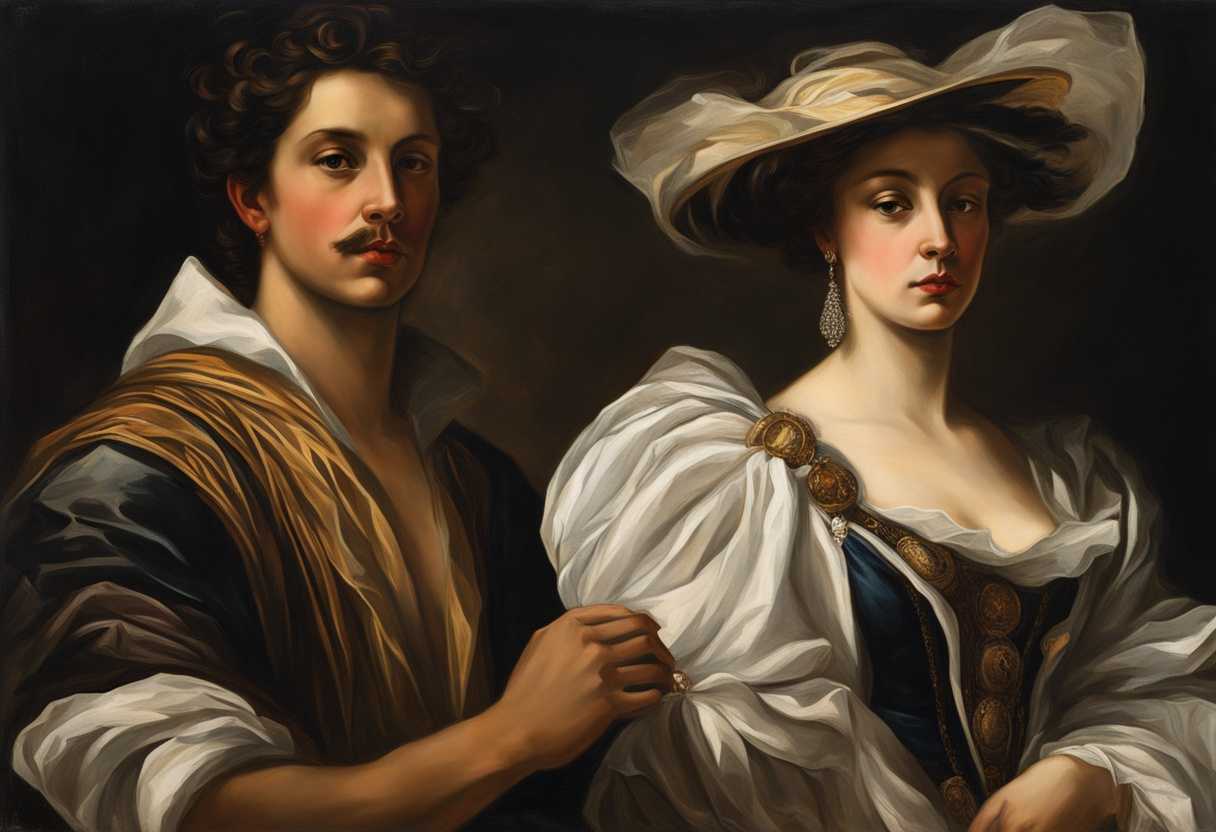
Setting the Scene for Deuteronomy 22:5
In the setting of Deuteronomy chapter 22, we find the Israelites encamped at the foot of Mount Sinai, having recently been liberated from slavery in Egypt by the mighty hand of God. Moses, the chosen leader of the Israelites, has ascended the mountain to receive the commandments and laws from the Lord. As the people wait anxiously at the base of the mountain, they are instructed by Moses to abide by the statutes and ordinances that God has given them.
Among the crowd gathered at the base of the mountain are men and women, young and old, all eager to hear and obey the word of the Lord. As Moses begins to relay the laws to the people, he addresses various aspects of daily life, including regulations on clothing and attire. In Deuteronomy 22:5, a specific instruction is given regarding the wearing of clothing: “A woman must not wear men’s clothing, nor a man wear women’s clothing, for the Lord your God detests anyone who does this.”
The scene is one of reverence and solemnity, as the Israelites listen intently to the laws being proclaimed to them. The dusty desert landscape surrounding them serves as a stark reminder of their journey thus far and the faithfulness of God in leading them. As they prepare to enter the Promised Land, these laws are meant to guide them in living a life that is pleasing to the Lord and distinct from the practices of the nations around them.
What is Deuteronomy 22:5 about?
The verse in Deuteronomy 22:5 emphasizes the importance of maintaining distinctions between genders in terms of attire. The verse urges men and women to dress in a way that aligns with their gender identity. This injunction can be interpreted as a reflection of the cultural and societal norms of that time, emphasizing the significance of gender roles and distinctions. It serves as a way to reinforce the individual and societal understanding of gender identity and the roles associated with it.
Have you ever considered the symbolism behind clothing choices and how it can reflect one’s identity and societal norms? This verse encourages us to contemplate the significance of expressing our gender identity through our attire. Individuals who adhere to these guidelines acknowledge and honor their gender identity, contributing to a sense of order and distinction within society. This verse ultimately prompts us to reflect on the deeper meaning behind our clothing choices and how they can communicate important aspects of our identity to the world around us.
Understanding what Deuteronomy 22:5 really means
Structure for the Commentary:
- Introduction to the Verse
- Context and Historical Background
- Explanation of Key Phrases
- Cross-Referencing with Other Biblical Texts
- Relevance to Contemporary Life
- Anecdote for Practical Understanding
- Conclusion and Reflection
Commentary:
Introduction to the Verse:
Deuteronomy 22:5 speaks to the distinctions between male and female attire, emphasizing the importance of maintaining gender-specific roles and appearances. This verse might seem straightforward, but it carries deep cultural, theological, and ethical implications.
Context and Historical Background:
During the time Deuteronomy was written, the Israelites were establishing a distinct identity as God’s chosen people. Clothing was not just about fashion; it was deeply tied to one’s identity and role within the community. Gender-specific clothing helped maintain social order and religious purity.
Explanation of Key Phrases:
The directive against cross-dressing (“A woman shall not wear a man’s garment, nor shall a man put on a woman’s cloak”) speaks to the broader principle of honoring God’s created order. The phrase “an abomination to the Lord your God” highlights the severity with which this commandment was viewed. This isn’t merely about clothing; it’s about respecting the divine distinctions established by God. Paul discusses the importance of gender-specific customs in worship in 1 Corinthians 11:14-15, reinforcing the idea that gender distinctions are significant in God’s eyes by cross-referencing with other Biblical texts. Genesis 1:27 also underscores the creation of male and female in God’s image, each with unique roles and purposes.
Relevance to Contemporary Life:
Today, this verse challenges us to consider how we honor God through our expressions of gender and identity. While societal norms around clothing have evolved, the underlying principle of respecting God’s created order remains relevant. Are we mindful of how our choices reflect our understanding of God’s design? Cultural trends pressure a young man to dress in a way that blurs traditional gender lines. When he discusses this with his church community, they guide him to consider how his choices reflect his identity as a follower of Christ. This conversation helps him see that while fashion may change, his commitment to honoring God’s design remains steadfast.
Conclusion and Reflection:
Deuteronomy 22:5 invites us to reflect on how we live out our God-given identities in a world that often blurs distinctions. It calls us to respect the order God has established and to consider the deeper significance of our choices. We seek wisdom in Scripture and community as we navigate contemporary issues, always aiming to honor God in all aspects of our lives.
What implications does this verse have on gender identity?
This verse in Deuteronomy can have implications on how gender identity is perceived within certain religious communities. It may be interpreted to suggest a strict separation of gender roles and expectations, hence potentially reinforcing traditional gender norms and identities. This could lead to pressure on individuals to conform to these narrow definitions of masculinity and femininity, rather than embracing a more fluid or diverse understanding of gender identity.
Some interpretations of this verse may view gender as binary and fixed, with specific clothing styles and behaviors prescribed for each gender. This could limit the acceptance and expression of non-binary or gender non-conforming individuals within these religious contexts. It may also contribute to the marginalization of individuals whose gender identity does not align with the traditional understanding of male and female, leading to potential discrimination or exclusion within these communities. The implications of this verse on gender identity may vary depending on the interpretation and the cultural context in which it is applied. It highlights the importance of critically examining religious texts and traditions to ensure they are inclusive and respectful of diverse gender identities and expressions.
Application
Consider your unique role in the workplace of life and the family of faith. Are you living according to the blueprint God has set for you? Reflect on your actions, ensuring they align with His plan. Embrace your distinct purpose and honor His design. In a world full of distractions, will you stand firm and commit to living out your faith authentically?

Reverend Michael Johnson is an experienced Church Minister with a profound expertise in spirituality and guidance. With a serene presence and a compassionate heart, he has faithfully served his congregation for over 20 years, leading them on a spiritual journey towards inner peace and enlightenment. Reverend Johnson’s extensive knowledge of religious philosophies and profound understanding of human nature have made him a trusted confidant and mentor to many, as he seamlessly weaves his profound wisdom into life teachings. Reverend Johnson’s calming demeanor and empathetic nature continue to uplift and heal souls, nurturing a sense of unity and tranquility within his community.