
1 Now in the days of Ahasuerus, the Ahasuerus who reigned from India to Ethiopia over 127 provinces,
2 in those days when King Ahasuerus sat on his royal throne in Susa, the citadel,
3 in the third year of his reign he gave a feast for all his officials and servants. The army of Persia and Media and the nobles and governors of the provinces were before him,
4 He displayed the riches of his royal glory and the splendor and pomp of his greatness for many days, 180 days.
5 And when these days were completed, the king gave for all the people present in Susa, the citadel, both great and small, a feast lasting for seven days in the court of the garden of the king’s palace.
6 There were white cotton curtains and violet hangings fastened with cords of fine linen and purple to silver rods and marble pillars, and also couches of gold and silver on a mosaic pavement of porphyry, marble, mother-of-pearl, and precious stones.
7 Drinks were served in golden vessels, vessels of different kinds, and the royal wine was lavished according to the bounty of the king.
8 By the king’s command they were served with the best food in the palace, and with the wine that the king drank.
9 Queen Vashti also gave a feast for the women in the palace that belonged to King Ahasuerus.
10 On the seventh day, when the heart of the king was merry with wine, he commanded Mehuman, Biztha, Harbona, Bigtha and Abagtha, Zethar and Carkas, the seven eunuchs who served in the presence of King Ahasuerus,
11 to bring Queen Vashti before the king with her royal crown, in order to show the peoples and the princes her beauty, for she was lovely to look at.
12 But Queen Vashti refused to come at the king’s command delivered by the eunuchs. At this the king became enraged, and his anger burned within him.
13 Then the king said to the wise men who knew the times (for this was the king’s procedure toward all who were versed in law and judgment,
14 the seven eunuchs who served in the presence of King Ahasuerus to bring Queen Vashti before the king with her royal crown, in order to show the peoples and the princes her beauty, for she was lovely to look at.
15 According to the law, what is to be done to Queen Vashti, because she has not performed the command of King Ahasuerus delivered by the eunuchs?”
16 And Memucan answered before the king and the officials, “Queen Vashti has not only wronged the king, but also all the officials and all the peoples who are in all the provinces of King Ahasuerus.
17 For the queen’s behavior will be made known to all women, causing them to look at their husbands with contempt, since they will say, ‘King Ahasuerus commanded Queen Vashti to be brought before him, and she did not come.’
18 This very day the noble women of Persia and Media who have heard of the queen’s behavior will say the same to all the king’s officials, and there will be contempt and wrath in plenty.
19 If it please the king, let a royal order go out from him, and let it be written among the laws of the Persians and the Medes so that it may not be repealed, that Vashti is never again to come before King Ahasuerus. And let the king give her royal position to another who is better than she.
20 And when the decree made by the king is proclaimed throughout all his kingdom, for it is vast, all women will give honor to their husbands, high and low alike.”
21 And the proposal pleased the king and the princes, and the king did as Memucan proposed.
22 He sent letters to all the royal provinces, to every province in its own script and to every people in its own language, that every man be master in his own household and speak according to the language of his people.
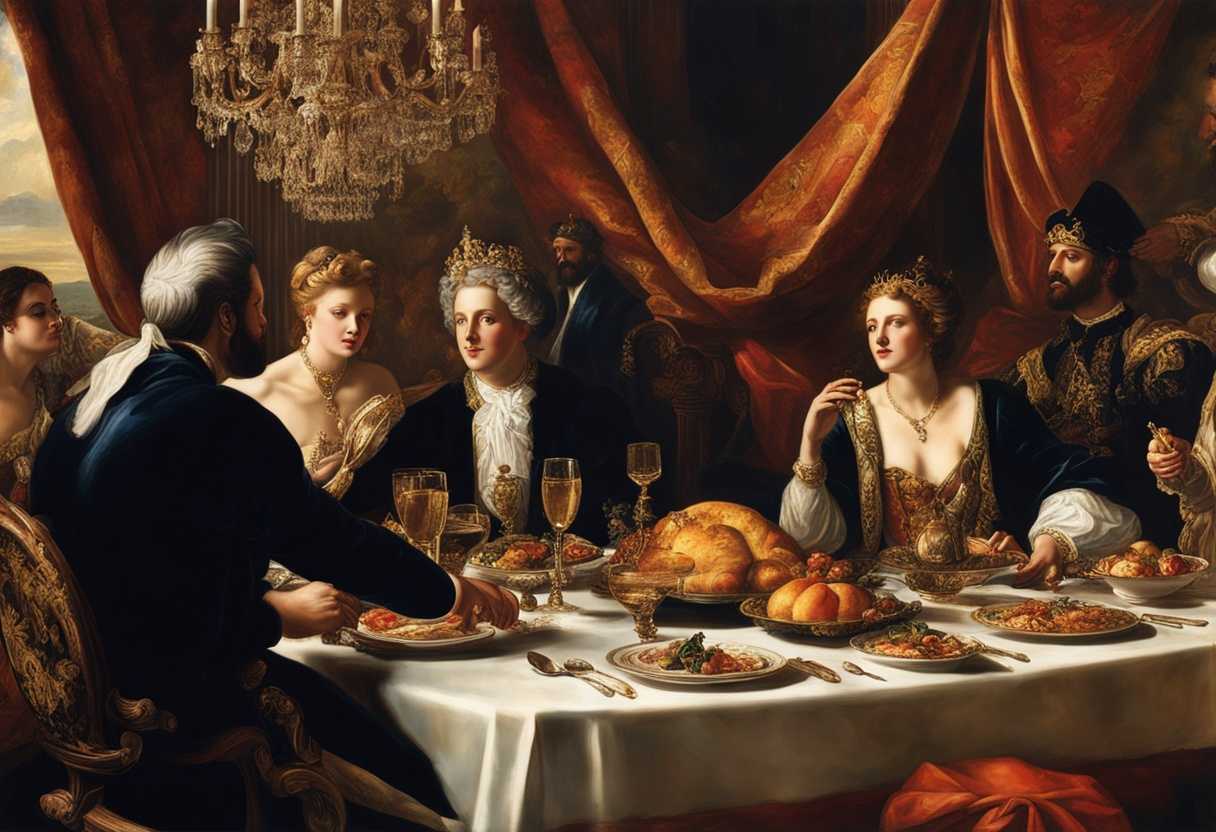
The True Meaning of Esther 1
The Book of Esther is believed to have been written by Mordecai, a Jewish exile living in Persia during the reign of King Xerxes. Mordecai, as a trusted advisor to the king, provides a firsthand account of the remarkable events that unfolded, ultimately leading to the deliverance of the Jewish people from a plot to destroy them. The lavish court of King Xerxes and the events leading up to the removal of Queen Vashti are introduced in this chapter. This sets the stage for the rise of Esther, a young Jewish woman, who will soon capture the king’s attention and find herself in a position to save her people from annihilation. The chapter foreshadows the pivotal role Esther will play, as well as the growing tension between the Jewish community and their Persian rulers.
Throughout the narrative, we see the hand of God at work, guiding the events and positioning His people for deliverance, just as He had done in the past, as recorded in other books of the Bible, such as the Exodus and the return from the Babylonian exile. As we delve into this chapter, we will witness the unfolding of a remarkable story of courage, faith, and the providence of God.
Esther 1:1-4
The passage in Esther 1:1-4 introduces King Xerxes, also known as King Ahasuerus. King Xerxes ruled over the vast Persian Empire from India to Cush, which included 127 provinces. This introductory verse sets the stage for the grandeur and vastness of the kingdom under his reign, highlighting his power and influence over a vast territory. This immense territory gave King Xerxes significant authority and dominion over a large population.
The verse also mentions that King Xerxes held a lavish banquet in the third year of his reign for all his nobles and officials. This banquet lasted for a total of 180 days, displaying the wealth and opulence of the king’s court. The description of such an extravagant and prolonged feast emphasizes the wealth and grandeur of King Xerxes’ reign, demonstrating his desire to showcase his power and abundance to those around him.
The banquet was held in the enclosed garden of the king’s palace. The garden was adorned with white cotton and purple linen, fastened with cords of fine linen and purple on silver rings and marble pillars. The couches were of gold and silver on a mosaic pavement of porphyry, marble, mother-of-pearl, and other precious stones. The opulence and extravagance described in the detailing of the garden and furnishings underline the luxurious lifestyle and excesses of King Xerxes and his court.
This elaborate description of King Xerxes’ banquet not only portrays his wealth and extravagance but also sets the stage for the events that unfold in the Book of Esther. The contrast between the king’s opulent lifestyle and the humble beginnings of Esther, who later becomes queen, serves to emphasize the overarching theme of divine providence and God’s sovereignty in using unlikely individuals to fulfill His purposes. Esther’s rise from obscurity to becoming queen is a testament to God’s guidance and intervention in the lives of His people, showcasing how He can work through ordinary individuals to achieve extraordinary outcomes. The opening verses of Esther 1 set the backdrop for the opulent lifestyle of King Xerxes and the extravagant events that lead to the rise of Esther as a key figure in fulfilling God’s plan. Through the contrasting narratives of King Xerxes’ lavish banquet and Esther’s humble beginnings, the timeless message of God’s hand guiding the course of history and using individuals from all walks of life for His divine purposes is powerfully conveyed.
Esther 1:5-9
King Xerxes of Persia displays his great wealth and the grandeur of his kingdom to the officials and nobles of his empire in Esther 1:5-9. The verse specifically mentions the opulence of his palace and the splendor of his court, as the guests were lavishly entertained with an extravagant banquet that lasted for 180 days. This display of immense wealth and power sets the stage for the events that will unfold in the book of Esther.
This passage serves as a backdrop to the story of Esther, a Jewish orphan who becomes Queen of Persia. The excess and extravagance of the king’s court contrast starkly with the humility and obedience of Esther, who will soon find herself in a position to save her people from genocide. The pride and arrogance of Xerxes stand in contrast to the humility and bravery of Esther, highlighting the overarching theme of God’s sovereignty and the unexpected ways He works through His people.
The opulence described in these verses serves as a reminder of the dangers of worldly wealth and power. Jesus warns against the love of money and material possessions in the New Testament, stating that it is easier for a camel to go through the eye of a needle than for a rich person to enter the kingdom of God (Matthew 19:24). The contrast between King Xerxes’ lavish banquet and Esther’s eventual self-sacrificial actions underscores the importance of humility, faith, and obedience in the face of worldly temptations.
Furthermore, the excessive banquets and displays of wealth in this passage foreshadow the theme of divine deliverance and providence that runs throughout the book of Esther. Despite the power and authority of earthly kings, it is ultimately God who holds the destiny of His people in His hands. The events that follow, including Esther’s bravery in approaching the king on behalf of her people and the downfall of the wicked Haman, highlight the importance of trusting in God’s plan even in the midst of seemingly insurmountable odds. Esther 1:5-9 serves as an introduction to the opulence and extravagance of King Xerxes’ court, setting the stage for the unfolding drama of Esther’s story. The contrast between earthly wealth and power and the virtues of humility, faith, and obedience provide timeless lessons for readers today. Studying and reflecting on these verses can remind us of the dangers of worldly wealth, the importance of trusting in God’s providence, and the power of humility and courage in the face of adversity.
Esther 1:10-12
Queen Vashti’s narrative in Esther 1:10-12 reveals a significant moment. The section starts with King Xerxes requesting Queen Vashti to come to his banquet wearing her royal crown in order to display her beauty to the people and officials. However, Queen Vashti refuses to obey the king’s command. This act of disobedience leads to a heated discussion among the king and his advisors on how to handle Queen Vashti’s defiance.
Queen Vashti’s refusal to obey the king’s command was a bold move that ultimately cost her the crown. It was a pivotal point in the story as it sets the stage for Esther to become queen in her place. Queen Vashti’s actions reflect her strength, independence, and refusal to be objectified for her beauty alone. She chose to stand up for her dignity and autonomy, even if it meant losing her position of power. Vashti’s story serves as a reminder of the importance of standing up for one’s principles and not compromising one’s values, even in the face of authority.
This incident also showcases the pride and arrogance of King Xerxes, who was angered by Queen Vashti’s refusal, seeing it as a challenge to his authority. Instead of respecting her decision, he consulted with his wise men on what should be done according to the law. This reaction highlights the king’s inability to handle a situation where his command is not followed, revealing his insecurity and the fragility of his leadership. This story in the broader context of the Bible reflects the consequences of pride and disobedience. It echoes the fall of powerful figures such as King Saul and Pharaoh, who both faced the consequences of their pride and refusal to humble themselves before God. Figures like Esther and Daniel exemplified virtues of humility and obedience, remaining faithful to God even in challenging circumstances. Queen Vashti’s refusal to appear before the king ultimately led to her own downfall and paved the way for Esther to become queen and play a crucial role in saving her people from destruction. This demonstrates how God can work through unexpected circumstances and individuals to fulfill His purposes and bring about deliverance. It serves as a reminder that even in moments of hardship or when faced with difficult choices, God’s providence is at work, guiding events according to His divine plan.
Esther 1:13-15
The king consulted experts in matters of law and justice, speaking with the wise men who understood the times and were closest to the king—Carshena, Shethar, Admatha, Tarshish, Meres, Marsena, and Memucan, the seven nobles of Persia and Media who had special access to the king and were highest in the kingdom. ‘What must be done to Queen Vashti,’ he asked, ‘for she has not obeyed the command of King Xerxes that the eunuchs have taken to her?’”
This passage provides insight into the political and hierarchical structure within the Persian Empire during King Xerxes’ reign. King Xerxes, in a moment of anger and frustration at Queen Vashti’s refusal to appear before his guests at the royal banquet, turns to his council of wise men for advice on how to handle the situation. These men were not only astute in matters of law and justice but were also the king’s closest advisors, holding significant influence in the kingdom.
The inclusion of the names Carshena, Shethar, Admatha, Tarshish, Meres, Marsena, and Memucan serves to highlight the power dynamics at play in the Persian court. These men were not just random individuals but nobles of high rank, indicating their importance in the hierarchy of the kingdom. The fact that they had special access to the king and were closest to him underscores their privileged position in court politics.
Furthermore, the question posed by King Xerxes about what should be done to Queen Vashti reveals his uncertainty and need for guidance in dealing with her perceived disobedience. This sets the stage for the subsequent events that unfold in the book of Esther, leading to Vashti’s removal as queen and the search for a new queen to replace her.
The story of Queen Vashti’s defiance and subsequent removal holds broader lessons for readers. It highlights the consequences of disobeying authority, even for those in positions of power. Vashti’s refusal in the biblical narrative ultimately leads to her downfall, serving as a cautionary tale about the importance of submission and respect for authority.
This passage also sets the stage for the introduction of Esther, who will later play a pivotal role in the deliverance of the Jewish people. Esther, a Jewish orphan raised by her cousin Mordecai, will eventually become queen and use her position to intercede on behalf of her people when they face persecution. The juxtaposition of Vashti’s disobedience with Esther’s obedience and courage underscores the themes of faith, providence, and redemption that run throughout the book of Esther.
Esther 1:16-18
We witness an important moment in the story of Queen Vashti and King Xerxes in Esther 1:16-18. Let’s break down these verses to understand their significance in the larger narrative. King Xerxes summons Queen Vashti to appear before him and his guests at a royal banquet in verse 16. This request was made in the midst of much revelry and celebration, as the king was showcasing his wealth and glory to his nobles and officials. However, Queen Vashti refuses to obey the king’s command to come, which greatly angers Xerxes.
Queen Vashti’s decision to refuse the king’s command was a bold and defiant act. In the context of the culture of that time, people saw a queen’s refusal to obey her husband, the king, as a grave offense. It was not just a matter of personal disobedience but a challenge to the king’s authority and an affront to the entire social order. Vashti’s refusal to appear before the king sets the stage for the rest of the story of Esther, as it leads to her removal as queen and the search for a new queen to replace her.
The refusal of Vashti to obey the king and the subsequent consequences she faces raise many thought-provoking questions. Was Vashti courageous for standing up for herself and refusing to be objectified for the entertainment of others, or was her defiance a display of disrespect towards her husband and his position of authority? This incident also highlights the power dynamics between men and women in that ancient society. It raises questions about the roles and expectations placed on women, as well as the consequences of challenging traditional gender norms.
Throughout the Bible, there are many instances where women play crucial roles in shaping the course of history and carrying out God’s plan. Whether it be Esther, Ruth, Deborah, or Mary, these women display courage, faith, and resilience in the face of adversity. Vashti’s story, although brief, is a reminder of the complexities of power, authority, and gender dynamics in society. It serves as a cautionary tale about the consequences of defiance and the importance of humility and obedience, but also raises awareness about the need for respect and dignity for all individuals, regardless of their position in society.
Esther 1:19-22
The text in Esther 1:19-22 reads, “Therefore, if it pleases the king, let him issue a royal decree, and let it be written in the laws of Persia and Media, which cannot be repealed, that Vashti is never again to enter the presence of King Xerxes.” Also let the king give her royal position to someone else who is better than she. Then when the king’s edict is proclaimed throughout all his vast realm, all the women will respect their husbands, from the least to the greatest.” The king and his nobles were pleased with this advice, so the king did as Memukan proposed. He sent dispatches to all parts of the kingdom, to each province in its own script and to each people in their own language, proclaiming that every man should be ruler over his own household. Queen Vashti faced consequences for defying King Xerxes’s command to appear before his guests at a banquet in this passage. The king, influenced by his nobles, issues a royal decree effectively banishing Vashti from his presence and stripping her of her royal position. The reasoning given for this extreme punishment was to set an example for all women in the kingdom to respect their husbands. This act’s overarching message is one of power dynamics and the roles of men and women in society during this time period.
Vashti’s story serves as a cautionary tale about the consequences of disobedience, particularly for women, in a male-dominated society. It also raises questions about the value of respect and obedience within a marriage. While the actions taken against Vashti may seem harsh by modern standards, they highlight the patriarchal nature of ancient societies and the expectations placed on women to conform to societal norms.
This passage can be viewed in light of other biblical teachings about marriage and respect. The Bible discusses the roles of husbands and wives in marriage, emphasizing mutual respect and submission in Ephesians 5:22-33. While the treatment of Vashti may lack the mutual respect advocated in these verses, it serves as a reminder of the importance of communication, understanding, and mutual respect in marital relationships. The story of Vashti’s banishment sheds light on important themes such as power dynamics, obedience, and gender roles that were prevalent in ancient societies. It also encourages readers to reflect on how these themes manifest in contemporary society and how biblical teachings on marriage and respect can guide our relationships and interactions with others.
After Esther 1
The king’s decree had been issued, and the search for a new queen had begun. Yet, as the days passed, the true purpose of this endeavor remained shrouded in mystery. What unseen forces were at work, shaping the course of events? A young woman named Esther found herself thrust into the center of this unfolding drama as the people awaited the outcome, her fate intertwined with the destiny of her people. Little did she know the challenges that lay ahead, the sacrifices she would be called to make, and the pivotal role she would play in the unfolding of God’s plan. The stage was set, and the curtain was about to rise on a story that would echo through the ages.

Reverend Michael Johnson is an experienced Church Minister with a profound expertise in spirituality and guidance. With a serene presence and a compassionate heart, he has faithfully served his congregation for over 20 years, leading them on a spiritual journey towards inner peace and enlightenment. Reverend Johnson’s extensive knowledge of religious philosophies and profound understanding of human nature have made him a trusted confidant and mentor to many, as he seamlessly weaves his profound wisdom into life teachings. Reverend Johnson’s calming demeanor and empathetic nature continue to uplift and heal souls, nurturing a sense of unity and tranquility within his community.