
Exodus 16:15 is about God providing manna from heaven as a miraculous provision for the Israelites in the wilderness, highlighting His faithfulness and provision for His people.
15 When the people of Israel saw it, they said to one another, “What is it?” for they did not know what it was. And Moses said to them, “It is the bread that the Lord has given you to eat.
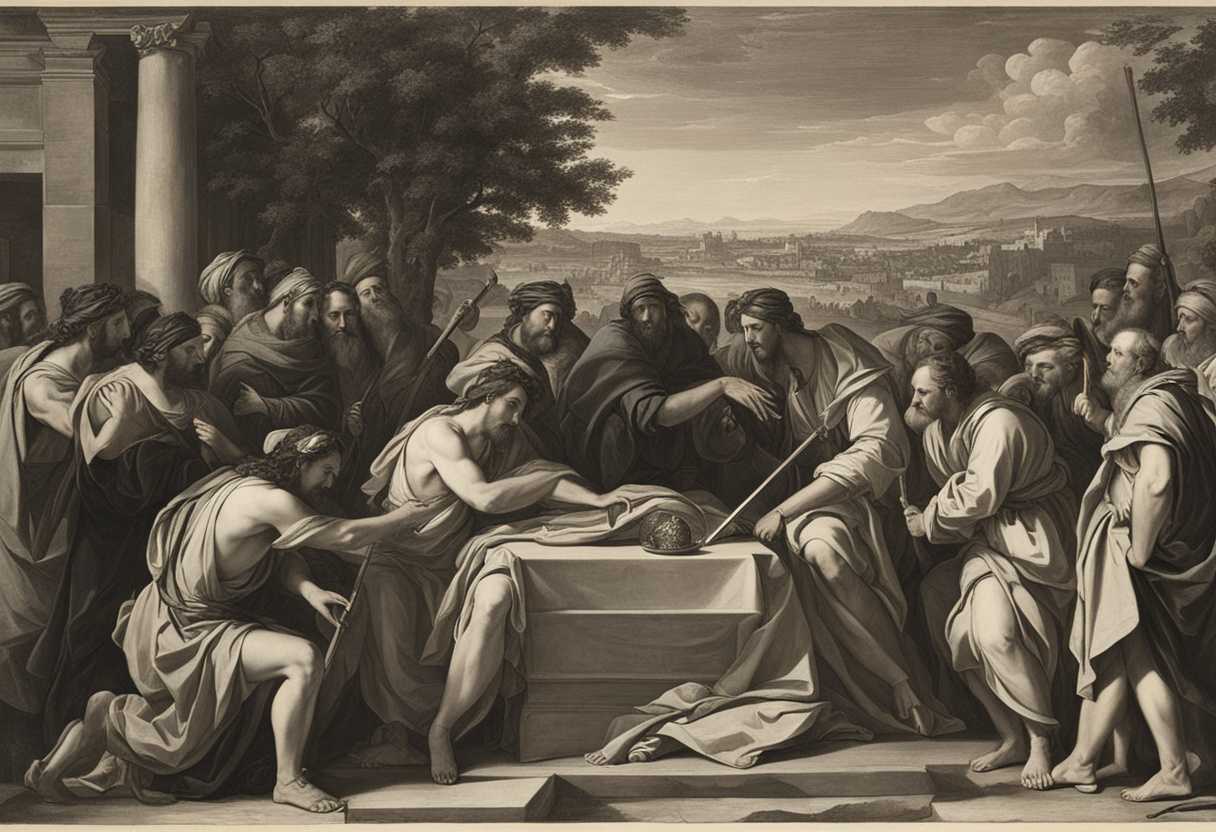
Setting the Scene for Exodus 16:15
In Exodus chapter 16, we find the Israelites wandering in the desert after their escape from Egypt. The scene is set in the early morning, with a blanket of dew covering the ground and the sun just beginning to rise over the horizon. The Israelites, led by Moses and Aaron, are gathered together in the wilderness, weary and hungry from their journey.
As the Israelites wake up and step outside their tents, they are greeted by a miraculous sight – the ground is covered with a fine, flaky substance that they have never seen before. This substance, known as manna, is a gift from God to provide for the needs of His people in the desert. The Israelites are amazed and grateful for this unexpected provision, and they gather the manna to eat and sustain themselves on their journey.
Moses explains to the people that the manna is a sign of God’s faithfulness and provision, a reminder that even in the wilderness, God will take care of His people. The Israelites are filled with awe and wonder at this display of God’s power and grace, and they are reminded once again of His presence with them as they continue their journey towards the Promised Land.
What is Exodus 16:15 about?
This verse from the Bible highlights the profound essence of trust in God’s provision. Amidst the challenges of the wilderness, the Israelites rely on God’s daily sustenance of manna, a miraculous food that appears each day. This tangible display of God’s care underscores the importance of faith and dependency on Him, even in the most difficult circumstances. We must remember that God is our ultimate provider in our own lives. He continues to provide for us today, just as He met the Israelites’ needs in the wilderness, whether it be in the form of tangible resources, emotional support, or spiritual guidance. This verse serves as a powerful reminder of the unwavering faith we should place in God’s provision, trusting that He will never abandon us and will always meet our needs.
So, as you reflect on this verse, consider the areas in your life where you may be struggling to trust in God’s provision. Are you relying solely on your own strength, or are you surrendering to God’s care and guidance? Allow this verse to deepen your faith and reassurance in God’s abundant provision for you, just as He did for the Israelites in the wilderness.
Understanding what Exodus 16:15 really means
In Exodus 16:15, we witness a profound moment in the journey of the Israelites through the wilderness. As they grapple with hunger and uncertainty, God responds to their needs by providing manna, a miraculous sustenance. The phrase “What is it?” encapsulates the initial confusion and awe the Israelites experienced upon encountering this divine provision. It serves as a reminder of God’s ability to meet our needs in unexpected and mysterious ways, prompting us to question and marvel at His workings in our lives.
“It is the bread the Lord has given you to eat,” declares the source of this manna. This statement underscores the direct link between God’s provision and the sustenance of His people. It emphasizes that every morsel of food, every blessing we receive, is ultimately a gift from God Himself. This recognition shifts our perspective from self-reliance to dependence on the One who provides abundantly and faithfully.
Drawing parallels to other biblical passages enriches our understanding of Exodus 16:15. In John 6:31-35, Jesus identifies Himself as the “bread of life,” echoing the sustenance provided to the Israelites in the wilderness. This connection highlights the enduring significance of God’s provision throughout history and points to Jesus as the ultimate source of spiritual nourishment for believers. Similarly, Deuteronomy 8:3 reminds us that our sustenance goes beyond physical food; we are sustained by every word that comes from the mouth of the Lord, emphasizing our need for spiritual nourishment and reliance on God’s guidance.
The relevance of this verse extends to our lives today in profound ways. It challenges us to reflect on our dependence on God for all aspects of our lives, not just our physical needs. In a culture that often glorifies self-sufficiency, Exodus 16:15 prompts us to recognize and appreciate God’s daily provisions, both big and small. Just as the Israelites learned to trust in God’s provision in the wilderness, we are called to cultivate a spirit of gratitude and reliance on God in our daily lives.
Consider a modern-day scenario where a struggling family receives unexpected help from a neighbor in the form of groceries. This act of kindness mirrors God’s provision of manna to the Israelites, serving as a tangible reminder of how God works through others to meet our needs. It prompts us to be open to giving and receiving help within our communities, recognizing that God often uses people as instruments of His provision in our lives.
As we meditate on Exodus 16:15, let us cultivate a spirit of gratitude for God’s daily provisions, no matter how small or seemingly insignificant. Let us trust in His timing and ways, especially in times of uncertainty and need. Just as God sustained the Israelites with manna in the wilderness, He continues to provide for us today, reminding us of His faithfulness and encouraging us to rely on His provision in all circumstances.
In what ways can we turn to God for sustenance?
We can turn to God for sustenance by seeking His provision with humility and trust in His ability to provide for our needs. We can acknowledge our dependence on God for our physical, emotional, and spiritual nourishment, just as the Israelites in the wilderness relied on God to provide manna for their daily sustenance. We show our faith in God’s goodness and sovereignty over our lives by approaching Him with a heart of gratitude and reliance. We can turn to God in prayer in times of need or scarcity, asking Him to meet our needs and sustain us through His abundant grace. We can experience God’s faithfulness in providing for us in ways that surpass our understanding by aligning our desires with His will and surrendering our worries and anxieties to Him. This act of seeking God for sustenance not only meets our immediate needs but also deepens our relationship with Him and grows our reliance on His faithful provision.
Additionally, we can turn to God for sustenance by focusing on His word and promises, which can strengthen and nourish our souls in times of hardship or uncertainty. We can find the sustenance we need to navigate life’s challenges with a steadfast faith by meditating on Scripture and seeking God’s guidance and direction. God’s word serves as a source of comfort, wisdom, and encouragement, reminding us of His unfailing love and provision in all circumstances.
Application
Like a reliable coworker who always has your back, God’s provision is there for you every single day. Just as a loving parent ensures their child has everything they need, God looks after you with unwavering care. So why not let go of worry about the future and place your trust in His daily provision? Will you choose to rely on His abundance and guidance to see you through each day?

Reverend Michael Johnson is an experienced Church Minister with a profound expertise in spirituality and guidance. With a serene presence and a compassionate heart, he has faithfully served his congregation for over 20 years, leading them on a spiritual journey towards inner peace and enlightenment. Reverend Johnson’s extensive knowledge of religious philosophies and profound understanding of human nature have made him a trusted confidant and mentor to many, as he seamlessly weaves his profound wisdom into life teachings. Reverend Johnson’s calming demeanor and empathetic nature continue to uplift and heal souls, nurturing a sense of unity and tranquility within his community.