
Exodus 23:16 is about the importance of celebrating the Feast of Ingathering (Sukkot) as a reminder of God’s provision and blessings.
16 You shall keep the Feast of Harvest, of the firstfruits of your labor, of what you sow in the field.
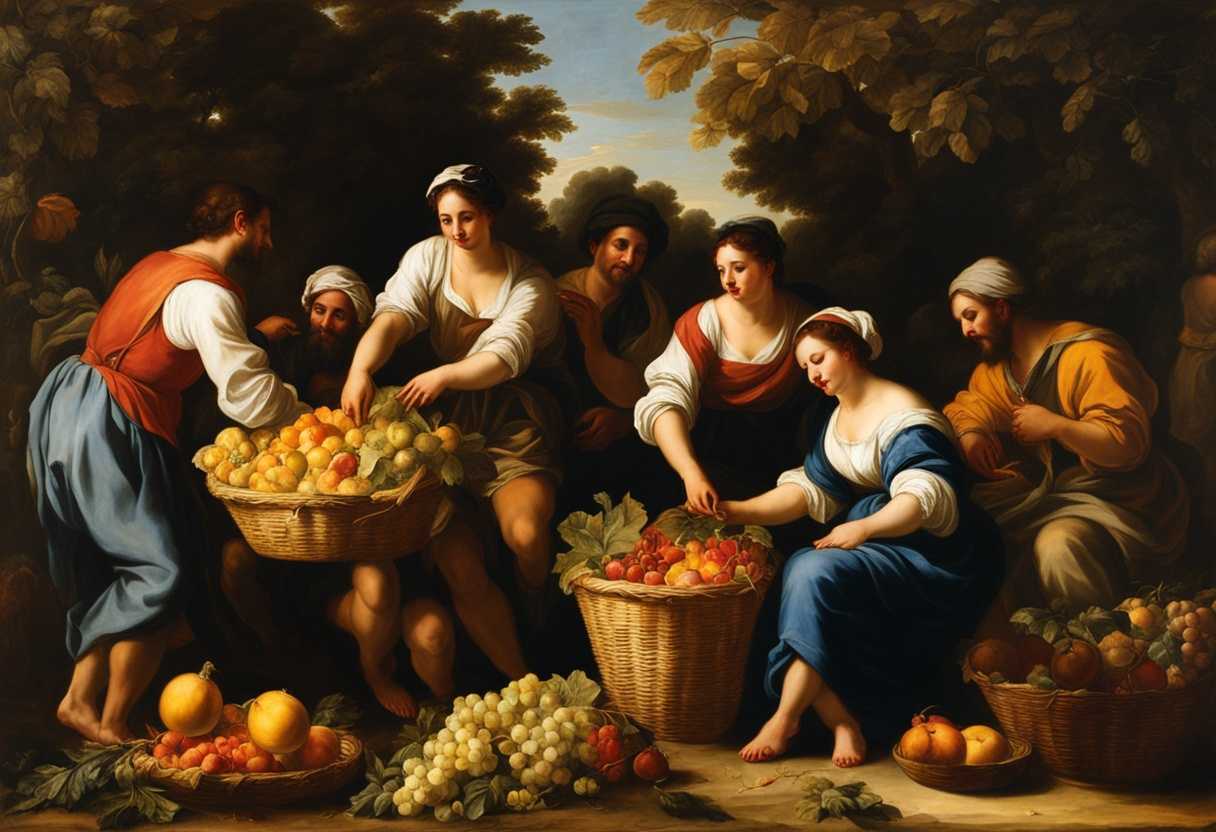
Setting the Scene for Exodus 23:16
The scene in Exodus 23:16 takes place during the Feast of Harvest, also known as the Feast of Weeks or Shavuot. The Israelites have gathered together in the presence of the Lord to celebrate and give thanks for the bountiful harvest that has been reaped. The atmosphere is filled with joy and gratitude as the people come together to offer their firstfruits to the Lord as a symbol of their thankfulness for His provision.
Moses, Aaron, and other leaders of the Israelites are present, overseeing the festivities and ensuring that the people follow the laws and customs set forth by God. The surroundings are vibrant and colorful, with decorations adorning the area and the smell of freshly harvested crops filling the air. The people are dressed in their finest garments, and there is a sense of unity and community as they come together to worship and celebrate.
As the people gather to present their offerings and partake in the feasting and rejoicing, there is a deep sense of reverence and awe for the Lord who has blessed them with abundance. The Feast of Harvest serves as a reminder of God’s faithfulness and provision, and the scene is a beautiful display of the Israelites coming together in worship and thanksgiving.
What is Exodus 23:16 about?
This verse reflects the importance of acknowledging and celebrating the abundance and provisions that God has given us. Just like how we look forward to harvesting the fruits of our labor after toiling in the fields, we should also take the time to recognize and appreciate the blessings that come from God. We honor God with our firstfruits and offerings, not only giving thanks for what we have received, but also demonstrating our trust and faith in His continued provision for us.
Think about this verse as a call to show gratitude and generosity towards God for all that He has provided us with. It prompts us to reflect on the ways in which we can give back to Him and to our community with a joyful and grateful heart. How can we offer our “firstfruits” in our lives – whether it be our time, talents, or resources – as a way of showing our appreciation for God’s provision? We can cultivate a spirit of thankfulness and stewardship in our lives by celebrating the Feast of Harvest, enriching our relationship with God and bringing joy and blessings to those around us.
Understanding what Exodus 23:16 really means
In the Book of Exodus, amidst the journey of the Israelites from slavery in Egypt to the promised land, we find a verse that speaks of the importance of honoring God through the observance of festivals. Exodus 23:16 specifically mentions the “Feast of Harvest” and the “Feast of Ingathering,” highlighting key moments in the agricultural calendar of the Israelites. These festivals were not merely about tradition or ritual; they held deep significance in reminding the people of God’s provision, faithfulness, and their dependence on Him for sustenance.
The “Feast of Harvest” marked the completion of the grain harvest, a time when the Israelites gathered the firstfruits of their labor as an offering to God. This act was not just a religious duty but a tangible expression of gratitude for the abundance provided by the Creator. It symbolized trust in God’s ongoing provision and a recognition that all blessings ultimately come from Him. The agricultural context of this feast tied the spiritual to the physical, reminding the people that their sustenance was intricately linked to God’s care for them.
Offering the “firstfruits of your labors” was a practice that went beyond mere generosity; it reflected a deep-seated belief in God’s faithfulness. By giving the best of what they had to God, the Israelites acknowledged His sovereignty over all aspects of their lives, including their work and possessions. This act of giving was not just about material offerings but about the posture of the heart, demonstrating a willingness to prioritize God above all else and to trust in His continued provision.
The “Feast of Ingathering,” also known as the Feast of Tabernacles, marked the end of the agricultural year, celebrating the final harvest and God’s faithfulness throughout the seasons. It was a time of rejoicing and thanksgiving, a recognition of the cyclical nature of work and rest, planting and harvesting. This festival served as a reminder that just as the land needed time to yield its produce, so did the people need moments of rest and celebration to appreciate God’s blessings.
In Leviticus 23 and Deuteronomy 16, we find further instructions and elaborations on these festivals, emphasizing the importance of gratitude, celebration, and offering the best to God. James 1:17 echoes these sentiments, reminding us that every good gift we receive ultimately comes from above, reinforcing the idea of acknowledging God’s provision in all aspects of our lives. Today, these principles remain relevant as we navigate our own journeys of work, rest, and gratitude.
Consider the story of a modern-day farmer who, in the spirit of the Feast of Harvest, donates a portion of his first harvest to a local food bank. In this act of generosity, he not only provides for those in need but also demonstrates his trust in God’s provision for his own livelihood. This anecdote serves as a reminder that the principles of gratitude, giving, and trust in God’s provision are timeless and can be lived out in practical ways in our daily lives.
As we reflect on Exodus 23:16 and its implications for us today, may we consider how we can show gratitude for God’s provision, offer the best of what we have to Him and others, and celebrate the blessings and achievements in our lives. Let us be mindful of the cycles of work and rest, trusting in God’s faithfulness, and finding joy in honoring Him with our time, talents, and resources.
What steps can I take to honor God’s provisions?
To honor God’s provisions as mentioned in Exodus 23:16, we can take several steps. One way is to show gratitude for all the blessings He has given us. We can thank God for providing for our needs and for the abundance in our lives. Another way to honor God’s provisions is by being good stewards of what He has given us. This means using our resources wisely and sharing with others in need. We can also honor God’s provisions by trusting in His faithfulness and relying on Him for our daily needs.
Additionally, taking time to reflect on how God has provided for us in the past can increase our faith and trust in Him for the future. Remembering the ways God has been faithful and provided for us in the past can give us peace and assurance that He will continue to provide for us in the future. We recognize His sovereignty and express our gratitude and dependence on Him by acknowledging and honoring God’s provisions in our lives.
Application
Embrace the essence of Exodus 23:16 and let us honor our blessings with the Feast of Harvest. Celebrate God’s abundant provision with a heart full of gratitude and praise. Let’s come together as a community of believers, acknowledging His unwavering faithfulness in our lives. Will you stand with us in gratitude and worship, recognizing every blessing in your life as a gift from above?

Reverend Michael Johnson is an experienced Church Minister with a profound expertise in spirituality and guidance. With a serene presence and a compassionate heart, he has faithfully served his congregation for over 20 years, leading them on a spiritual journey towards inner peace and enlightenment. Reverend Johnson’s extensive knowledge of religious philosophies and profound understanding of human nature have made him a trusted confidant and mentor to many, as he seamlessly weaves his profound wisdom into life teachings. Reverend Johnson’s calming demeanor and empathetic nature continue to uplift and heal souls, nurturing a sense of unity and tranquility within his community.