
Exodus 24:6-8 is about the establishment of a covenant between God and the people of Israel, signifying their commitment to obey His commandments and follow His laws.
6 And Moses took half of the blood and put it in basins, and half of the blood he threw against the altar.
7 Then he took the Book of the Covenant and read it in the hearing of the people. And they said, “All that the Lord has spoken we will do, and we will be obedient.”
8 And Moses took the blood and threw it on the people and said, “Behold the blood of the covenant that the Lord has made with you in accordance with all these words.”
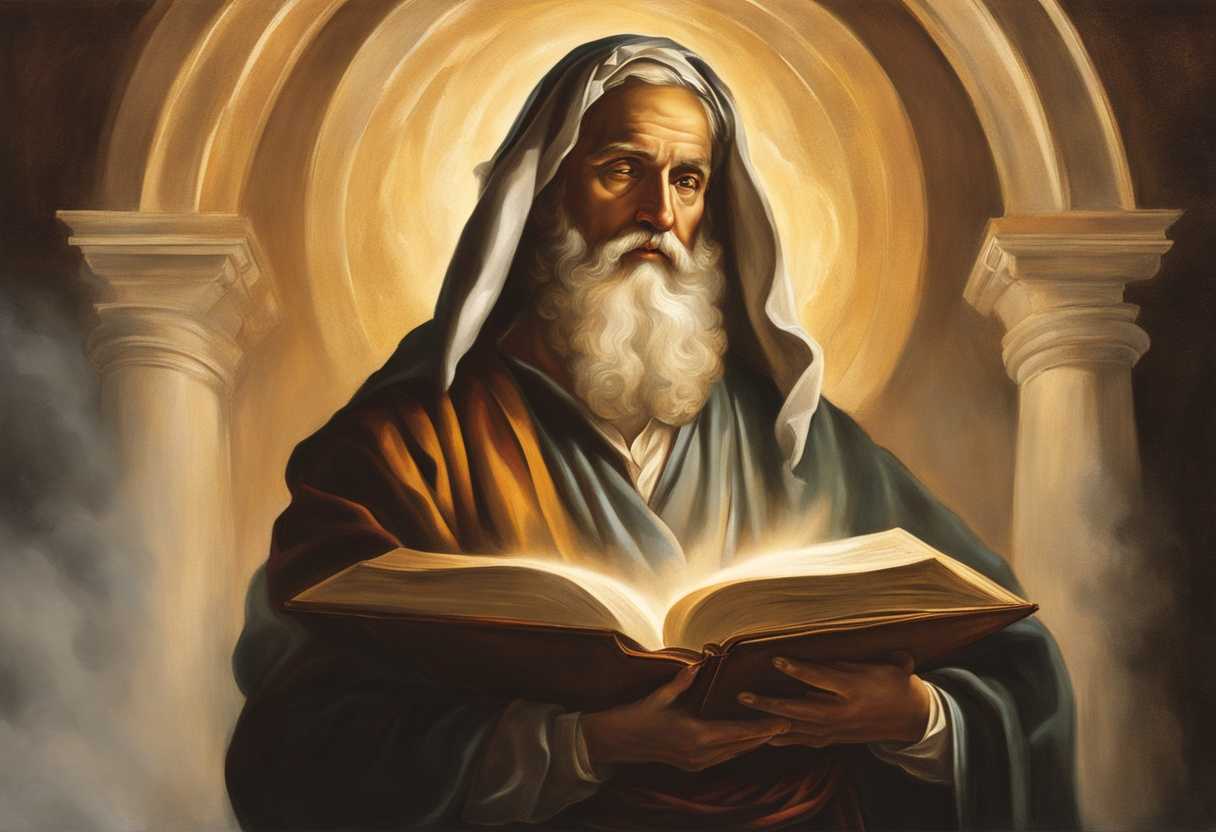
Setting the Scene for Exodus 24:6-8
The scene described in Exodus 24:6-8 takes place at the foot of Mount Sinai, where Moses, Aaron, Nadab, Abihu, and seventy elders of Israel have gathered. The group has just witnessed the powerful display of God’s glory on the mountain, with thunder, lightning, and a thick cloud covering its summit. The atmosphere is charged with awe and reverence as they stand in the presence of the Almighty.
Moses, as the appointed leader and mediator between God and the Israelites, takes the blood of sacrificed animals and sprinkles it on the people, symbolizing the covenant between them and God. This act signifies their commitment to obeying the commandments and laws that God has given them through Moses. The people respond with one voice, affirming their willingness to uphold the covenant and follow God’s instructions.
The setting is solemn and sacred, with the mountain towering above them and the sound of the wind and thunder echoing in the background. The people are filled with a sense of both fear and reverence as they participate in this significant moment of covenant-making with their Creator. The scene captures the essence of the Israelites’ relationship with God, marked by obedience, faith, and a deep sense of awe in His presence.
What is Exodus 24:6-8 about?
This verse speaks to the powerful symbolism of covenant confirmation with blood, emphasizing the solemn commitment and obedience to God’s commands that it represents. Many ancient cultures commonly sealed a covenant with blood to signify the utmost seriousness and dedication to fulfilling the terms of the agreement. The verse underscores the gravity of promises made to God and the importance of upholding one’s end of the covenant by using blood as a symbol of commitment.
Imagine the weight of the moment when blood was used to confirm a covenant – the gravity of the promise, the tangible sacrifice made to solidify the agreement. It serves as a reminder that faith and obedience to God require more than just words; they demand a willingness to sacrifice and demonstrate unwavering dedication. The act of confirming a covenant with blood is a tangible expression of one’s commitment, a physical reminder of the significance of the promise being made. We can emulate this level of commitment and obedience in our relationship with God in our own lives. How can we demonstrate our dedication in a way that truly conveys the depth of our faith and devotion?
Understanding what Exodus 24:6-8 really means
In Exodus 24:6-8, we witness a profound moment in the covenant ceremony between God and the Israelites at Mount Sinai. Moses, serving as the intermediary, plays a crucial role in establishing this sacred agreement. The covenant itself encompasses the giving of the Law, which includes the foundational principles encapsulated in the Ten Commandments and other ordinances that govern the relationship between God and His people.
The imagery of blood holds significant symbolism in these verses. As Moses takes half of the blood and sprinkles it on the altar and the other half in basins, we see a representation of life itself. This act underscores the gravity and sanctity of the covenant being forged. The altar, symbolizing God’s presence, becomes a focal point for the people’s commitment as the blood is sprinkled upon it, signifying their dedication to God and His laws.
Furthermore, the reading of the Book of the Covenant to the people serves as a moment of transparency and clarity. By vocalizing the laws and commandments given by God, Moses ensures that the terms of the covenant are understood by all. The people’s response, declaring, “We will do everything the Lord has said; we will obey,” reflects a collective agreement and unity in their resolve to follow God’s decrees.
In the act of sprinkling the blood on the people, Moses emphasizes their purification and consecration. This ritual not only signifies a cleansing but also underscores the binding nature of the covenant. It solidifies the agreement as a solemn and sacred bond between God and His chosen people, highlighting the seriousness of their commitment.
The relevance of these verses extends beyond the historical context, resonating with believers today. The concept of covenant remains foundational in understanding our relationship with God. Just as the Israelites pledged obedience to God’s laws, we are likewise called to live in alignment with His will. The use of blood in the covenant ceremony serves as a poignant reminder of the sacrifices and dedication required to uphold our relationship with the Almighty.
To illustrate this profound connection, consider a wedding ceremony where vows are exchanged. Much like the promises made between two individuals, the covenant between God and the Israelites signifies a solemn commitment. Just as a couple pledges to love and honor each other, we are urged to honor God’s commandments with unwavering devotion. The symbolism of blood in the covenant ceremony mirrors the significance of wedding rings, representing the binding and sacred nature of the promises made.
In conclusion, Exodus 24:6-8 prompts us to reflect on the weightiness of our commitments to God. These verses challenge us to consider the depth of our promises and the sacrifices we are willing to make in upholding them. Understanding the covenant established at Mount Sinai allows us to grasp the profound nature of our relationship with God and underscores the importance of living in accordance with His divine will.
How can we commit to obeying God completely?
To commit to obeying God completely means to wholeheartedly accept His will and follow His commandments without hesitation. It involves acknowledging God’s authority over our lives and submitting ourselves to His guidance and teachings. We too must make a firm decision to prioritize God’s will above our own desires and impulses, just as the Israelites declared, “All that the Lord has spoken we will do, and we will be obedient.”
This commitment requires a conscious effort to align our actions with God’s Word, seeking His will in all aspects of our lives. It involves a willingness to surrender our own plans and ambitions, trusting that God’s ways are higher and better than our own. We can strengthen our commitment to obeying God completely and experience the fullness of His blessings in our lives by continuously seeking God through prayer, studying His Word, and engaging in fellowship with other believers. May we strive to imitate the faithfulness of the Israelites in declaring our obedience to God, and may our lives be a testimony to His sovereign authority and unfailing love.
Application
Let’s take inspiration from Exodus 24:6-8 and give our faith our all, just like the Israelites did for God. Let’s embrace our beliefs with unwavering commitment, mirroring Moses’ gesture of covenant through blood. Each day, let’s reaffirm our dedication to living with faith and purpose. Will we merge our beliefs with our actions and hearts, sealing our commitment to something greater?

Reverend Michael Johnson is an experienced Church Minister with a profound expertise in spirituality and guidance. With a serene presence and a compassionate heart, he has faithfully served his congregation for over 20 years, leading them on a spiritual journey towards inner peace and enlightenment. Reverend Johnson’s extensive knowledge of religious philosophies and profound understanding of human nature have made him a trusted confidant and mentor to many, as he seamlessly weaves his profound wisdom into life teachings. Reverend Johnson’s calming demeanor and empathetic nature continue to uplift and heal souls, nurturing a sense of unity and tranquility within his community.