
Exodus 29:2 is about the detailed instructions given to Moses for consecrating Aaron and his sons as priests, symbolizing the importance of ritual purity and divine consecration in the establishment of a holy priesthood.
2 And unleavened bread, unleavened cakes mixed with oil, and unleavened wafers smeared with oil. You shall make them of fine wheat flour.
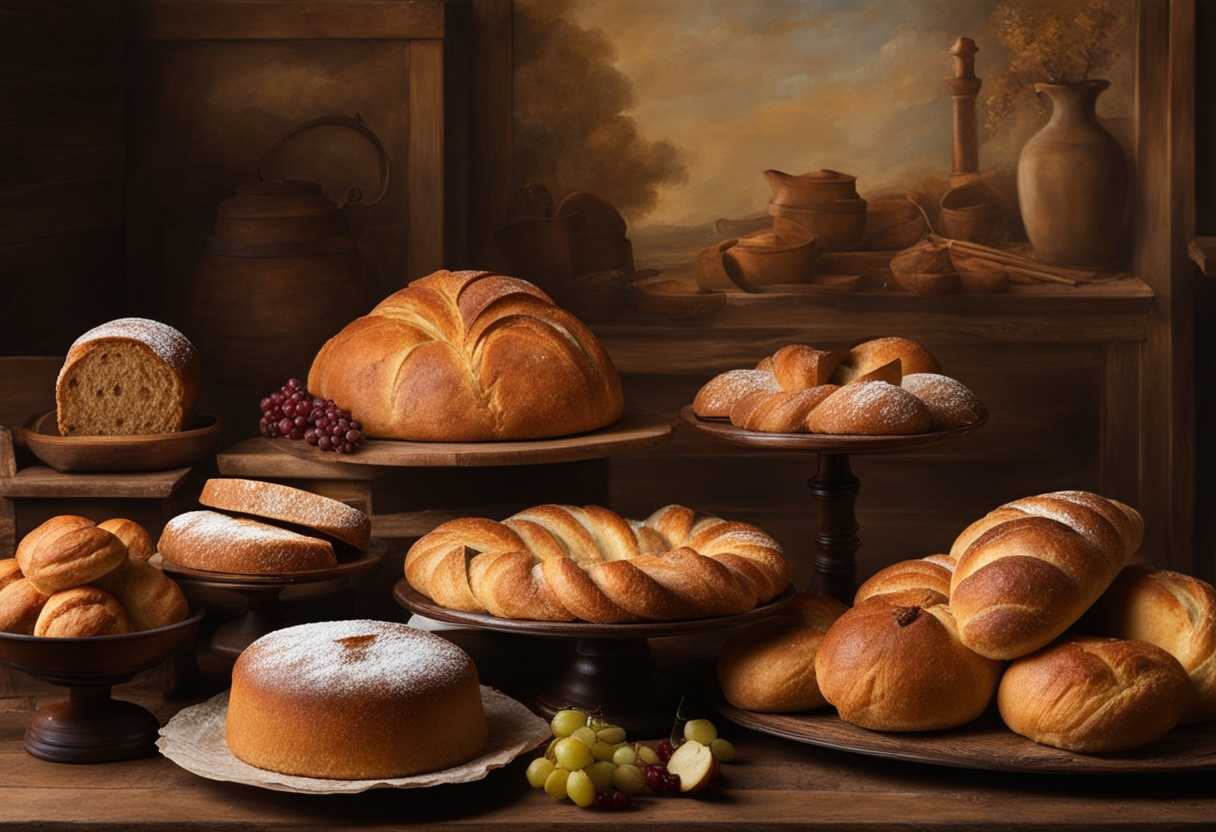
Setting the Scene for Exodus 29:2
In Exodus 29:2, the scene is set in the wilderness at the foot of Mount Sinai. The Israelites have been led out of Egypt by Moses, and they are now encamped around the base of the mountain. The air is filled with a sense of anticipation and reverence as the people prepare to witness a sacred ceremony.
Moses, the leader of the Israelites, is at the center of the scene, along with his brother Aaron and Aaron’s sons, Nadab, Abihu, Eleazar, and Ithamar. They have been chosen by God to serve as priests for the Israelites, and today is the day of their consecration. The surroundings are rugged and awe-inspiring, with the majestic Mount Sinai towering above them and the vast desert stretching out in all directions.
As the people gather around, Moses follows the instructions given to him by God, preparing the priests for their consecration. The scene is filled with the smell of incense and the sound of prayers being lifted up to the heavens. The Israelites watch in silence, knowing that they are witnessing a sacred moment in their history as a chosen people of God.
What is Exodus 29:2 about?
The verse describes the process of consecrating priests with special garments and anointing oil. This signifies a sacred ritual where individuals are set apart and dedicated to serving in a holy capacity. The act of putting on special garments and being anointed with oil symbolizes purity, sanctification, and a deep connection to a higher power. We can ponder the significance of these actions as we reflect on this verse. How do the special garments and anointing oil represent the spiritual transformation and responsibility that come with serving as a priest? What does it mean to be set apart for a specific purpose and to carry out one’s duties with reverence and devotion? We can appreciate the solemnity and importance of consecrating individuals for sacred service by understanding the symbolism behind these rituals. This verse ultimately reminds us of the solemnity and reverence with which we should approach our own calling and responsibilities. We too are called to carry out our duties with dedication, humility, and a sense of purpose, just as priests consecrate themselves with special garments and anointing oil. Let us reflect on the rituals described in this verse and consider how we can bring that same level of reverence and commitment to our own spiritual journey and service to others.
Understanding what Exodus 29:2 really means
Exodus 29:2 delves into the intricate details of consecration, shedding light on the meticulous preparations required for the sanctification of Aaron and his sons as priests. This verse serves as a pivotal moment in the Old Testament narrative, where God instructs Moses on the specific rituals and offerings essential for setting apart the priests for their sacred duties within the Tabernacle. The mention of unleavened bread, cakes mixed with oil, and wafers spread with oil underscores the significance of purity and dedication in the priestly consecration process.
In exploring related passages such as Leviticus 8:26, we find a consistent emphasis on the role of bread offerings in the consecration rituals. This continuity underscores the importance of these symbolic elements in the religious practices of the Israelites. Furthermore, connections can be drawn to the New Testament, where Jesus’ declaration as the “bread of life” in John 6:35 transcends the physical realm, pointing to a deeper spiritual sustenance that He offers to believers.
The relevance of Exodus 29:2 extends beyond its historical context, resonating with contemporary audiences by highlighting the timeless principles of preparation and dedication in spiritual life. Just as the priests were consecrated for holy service, modern-day believers are called to lead lives that are set apart for God’s purposes. The symbolism of unleavened bread as a representation of purity serves as a poignant reminder for individuals to strive for integrity and righteousness in their daily conduct.
Consider the analogy of a diligent baker meticulously crafting bread with pure ingredients and precise methods. This image mirrors the dedication required in following God’s instructions, resulting in spiritual nourishment for those around us. By aligning our lives with God’s will, we become vessels of His grace and truth, offering sustenance to others in their spiritual journey.
Delving into the nuanced meanings behind phrases like “unleavened bread,” “cakes mixed with oil,” and “wafers spread with oil” unveils deeper spiritual truths embedded in these seemingly mundane instructions. The absence of yeast in unleavened bread symbolizes purity and freedom from sin, reflecting the priests’ need for holiness before God. The incorporation of oil, often representing the Holy Spirit in biblical imagery, signifies anointing and empowerment for divine service, underscoring the vital role of God’s Spirit in sanctification and ministry.
In essence, Exodus 29:2 beckons us to discern the profound spiritual significance behind the physical rituals of the Old Testament, urging us to embrace a life consecrated to God, infused with the empowering presence of the Holy Spirit, and characterized by purity and devotion. As we unravel the layers of meaning within these ancient texts, we are invited to embark on a journey of spiritual growth and transformation, guided by the timeless truths encapsulated in God’s Word.
How can we dedicate ourselves fully to God?
To dedicate ourselves fully to God, we can follow the instructions given in Exodus 29:2. This means setting ourselves apart and committing our whole being to serving God wholeheartedly. We can do this by surrendering our will, desires, and plans to God, allowing His will to guide our thoughts, actions, and decisions. Dedication to God involves a deep level of commitment, devotion, and obedience to His teachings and commandments.
To dedicate ourselves fully to God, we can also prioritize our relationship with Him above all else. This involves seeking His presence through prayer, studying His word, and cultivating a daily walk with Him. We can align our hearts with His will and purpose for our lives by meditating on His teachings and spending time in His presence. Through this close relationship with God, we can continually offer ourselves as living sacrifices, dedicated to His service and glory in all that we do.
Application
In the busy workplace of life, our worship is our sacred duty to connect with the divine. Let’s shed the distractions of the modern world and offer our souls as a pure offering to God. It’s time to elevate our worship to a higher level, pouring our hearts and minds into every prayer, every song. Can you imagine the transformation in our lives if we wholeheartedly commit to worship with reverence and devotion?

Reverend Michael Johnson is an experienced Church Minister with a profound expertise in spirituality and guidance. With a serene presence and a compassionate heart, he has faithfully served his congregation for over 20 years, leading them on a spiritual journey towards inner peace and enlightenment. Reverend Johnson’s extensive knowledge of religious philosophies and profound understanding of human nature have made him a trusted confidant and mentor to many, as he seamlessly weaves his profound wisdom into life teachings. Reverend Johnson’s calming demeanor and empathetic nature continue to uplift and heal souls, nurturing a sense of unity and tranquility within his community.