
1 Now Moses was keeping the flock of his father-in-law, Jethro, the priest of Midian, and he led his flock to the west side of the wilderness and came to Horeb, the mountain of God.
2 And the angel of the Lord appeared to him in a flame of fire out of the midst of a bush. He looked, and behold, the bush was burning, yet it was not consumed.
3 And Moses said, “I will turn aside to see this great sight, why the bush is not burned.”
4 When the Lord saw that he turned aside to see, God called to him out of the bush, “Moses, Moses!” And he said, “Here I am.”
5 Then he said, “Do not come near; take your sandals off your feet, for the place on which you are standing is holy ground.”
6 And he said, “I am the God of your father, the God of Abraham, the God of Isaac, and the God of Jacob.” And Moses hid his face, for he was afraid to look at God.
7 Then the Lord said, “I have surely seen the affliction of my people who are in Egypt and have heard their cry because of their taskmasters. I know their sufferings,
8 and I have come down to deliver them out of the hand of the Egyptians and to bring them up out of that land to a good and broad land, a land flowing with milk and honey, to the place of the Canaanites, the Hittites, the Amorites, the Perizzites, the Hivites, and the Jebusites.
9 And now, behold, the cry of the people of Israel has come to me, and I have also seen the oppression with which the Egyptians oppress them.
10 Come, I will send you to Pharaoh that you may bring my people, the children of Israel, out of Egypt.
11 But Moses said to God, “Who am I that I should go to Pharaoh and bring the children of Israel out of Egypt?”
12 He said, “But I will be with you, and this shall be the sign for you, that I have sent you: when you have brought the people out of Egypt, you shall serve God on this mountain.”
13 Then Moses said to God, “If I come to the people of Israel and say to them, ‘The God of your fathers has sent me to you,’ and they ask me, ‘What is his name?’ what shall I say to them?”
14 God said to Moses, “I am who I am.” And he said, “Say this to the people of Israel: ‘I am has sent me to you.’”
15 God also said to Moses, “Say this to the people of Israel: ‘The Lord, the God of your fathers, the God of Abraham, the God of Isaac, and the God of Jacob, has sent me to you.’ This is my name forever, and thus I am to be remembered throughout all generations.
16 Go and gather the elders of Israel together and say to them, ‘The Lord, the God of your fathers, the God of Abraham, of Isaac, and of Jacob, has appeared to me, saying, “I have observed you and what has been done to you in Egypt,
17 and I promise that I will bring you up out of the affliction of Egypt to the land of the Canaanites, the Hittites, the Amorites, the Perizzites, the Hivites, and the Jebusites, a land flowing with milk and honey.”
18 And they will listen to your voice, and you and the elders of Israel shall go to the king of Egypt and say to him, ‘The Lord, the God of the Hebrews, has met with us; and now, please let us go a three days’ journey into the wilderness, that we may sacrifice to the Lord our God.’
19 But I know that the king of Egypt will not let you go unless compelled by a mighty hand.
20 So I will stretch out my hand and strike Egypt with all the wonders that I will do in it; after that he will let you go.
21 And I will give this people favor in the sight of the Egyptians; and when you go, you shall not go empty,
22 But each woman shall ask of her neighbor, and any woman who lives in her house, for silver and gold jewelry, and for clothing. You shall put them on your sons and on your daughters. So you shall plunder the Egyptians.”
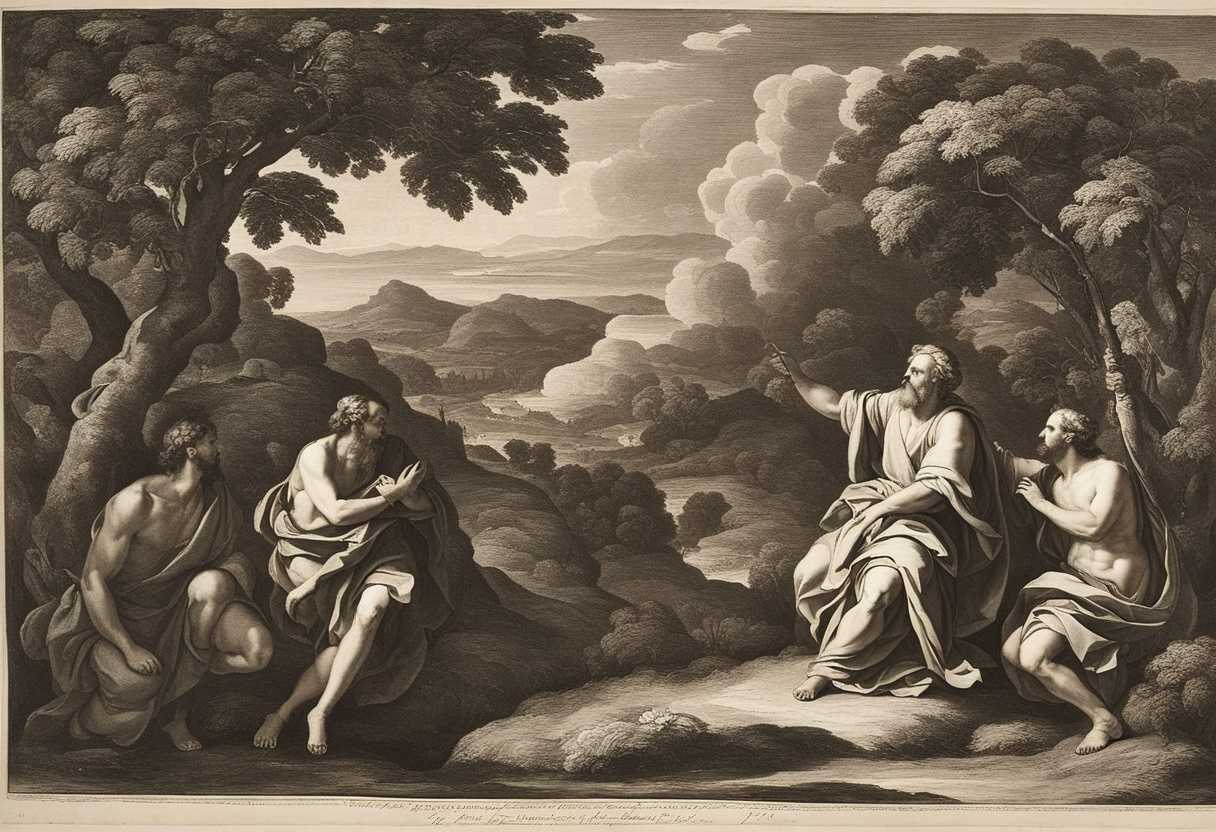
The True Meaning of Exodus 3
The Book of Exodus is the second book of the Bible, traditionally attributed to the prophet Moses. Moses, as a former prince of Egypt, had a unique perspective on the events he witnessed and recorded. Moses encounters the Lord at the burning bush in this chapter. This pivotal moment marks the beginning of Moses’ calling to lead the Israelites out of slavery in Egypt. The Lord reveals His divine name and purpose, foreshadowing the great miracles and plagues that will soon befall the Egyptians. We also see Moses’ initial hesitation and the Lord’s reassurance that He will be with him.
This passage connects to other key events in the Pentateuch, such as God’s covenant with Abraham in Genesis 15 and the Israelites’ oppression in Egypt described in Exodus 1. The Lord’s declaration, “I am who I am,” echoes His timeless sovereignty over all creation. As we read this chapter, let us reflect on God’s power to deliver His people and His willingness to use unlikely vessels for His purposes.
Exodus 3:1-6
The passage in Exodus 3:1-6 begins by introducing us to Moses, who was tending the flock of his father-in-law, Jethro, the priest of Midian. This was after Moses had fled from Egypt to Midian due to killing an Egyptian taskmaster who was mistreating a Hebrew slave. This event marks a pivotal moment in Moses’ life, as he transitions from being a prince of Egypt to a humble shepherd in Midian. The act of tending the flock symbolizes Moses’ role as a caretaker and shepherd of his people, the Israelites, whom he would later lead out of bondage in Egypt. Moses encounters the angel of the Lord in a burning bush as he leads the flock near Mount Horeb. The bush was on fire but was not consumed, capturing Moses’ attention. This supernatural phenomenon was a manifestation of God’s presence and power, signifying that the divine was about to communicate with Moses. The burning bush symbolizes the holiness and divine nature of God, as well as His ability to appear in unexpected ways to convey His messages to His chosen servants.
When Moses turned aside to see the burning bush, God called out to him from within the bush, addressing him by name. This personal and direct call from God to Moses demonstrates God’s intimate knowledge of and relationship with His chosen servant. It also indicates God’s sovereignty and authority over Moses, as He instructs Moses to remove his sandals because he is standing on holy ground. This act is a sign of reverence and respect for the presence of God, emphasizing the sacredness of the encounter and the need for humility before the Almighty.
Furthermore, God identifies Himself to Moses as the God of his ancestors – the God of Abraham, Isaac, and Jacob. God establishes a connection with the past and reaffirms His covenant promises to the Israelites by referencing Moses’ forefathers. This declaration serves to remind Moses of his heritage and the legacy of faith that he is a part of, instilling in him a sense of responsibility to fulfill God’s purposes for his people. It also showcases the continuity of God’s plan throughout generations, highlighting His faithfulness and constancy in fulfilling His promises to the descendants of Abraham. Exodus 3:1-6 sets the stage for one of the most significant moments in the Bible – the calling of Moses to lead the Israelites out of Egypt. It illustrates God’s power, holiness, and faithfulness, as well as His personal involvement in the lives of His chosen servants. Through the burning bush encounter, God commissions Moses to be His instrument of deliverance, conveying a timeless message of obedience, faith, and trust in God’s providence. This passage not only shapes the narrative of the Exodus story but also serves as a profound example of how God equips and empowers individuals to fulfill His purposes in the world.
Exodus 3:7-10
Several important sections in Exodus 3:7-10 provide profound insight into God’s character and His divine purpose for His people. The verses are as follows:
7 The Lord said, “I have indeed seen the misery of my people in Egypt. I have heard them crying out because of their slave drivers, and I am concerned about their suffering.
8 So I have come down to rescue them from the hand of the Egyptians and to bring them up out of that land into a good and spacious land, a land flowing with milk and honey—the home of the Canaanites, Hittites, Amorites, Perizzites, Hivites and Jebusites.
9 And now the cry of the Israelites has reached me, and I have seen the way the Egyptians are oppressing them.
10 So now, go. I am sending you to Pharaoh to bring my people the Israelites out of Egypt. God’s compassion towards His people, the Israelites, who were suffering under the oppression of the Egyptians, is seen in verses 7-10. Despite their cries for help, God had not forgotten them. This demonstrates God’s faithfulness and attentiveness to the needs of His people. The fact that God tells Moses that He has seen the suffering of His people and heard their cries is significant. It shows that God is not aloof or indifferent to the plight of His children but is intimately involved in their lives and is moved by their suffering.
God’s next statement in verse 8 reveals His plan to rescue the Israelites from bondage in Egypt and lead them to the Promised Land, a land flowing with milk and honey. This shows God’s desire to deliver His people from oppression and lead them to a place of abundance and blessing. It is a reflection of God’s redemptive nature and His commitment to fulfilling His promises to His chosen people. The mention of Canaanites, Hittites, Amorites, Perizzites, Hivites, and Jebusites signifies the various nations that inhabited the land of Canaan at that time, highlighting the challenge that lay ahead for the Israelites as they journeyed towards their inheritance.
Verse 10 is a pivotal moment where God commissions Moses to be His instrument for the liberation of the Israelites. This encounter marks the beginning of Moses’ calling and his journey to becoming a great leader in God’s plan for delivering the Israelites. God’s choice of Moses, despite his initial reluctance and insecurities, emphasizes that God often uses ordinary individuals to accomplish extraordinary tasks. This serves as a reminder to all believers that God equips and empowers those whom He calls, regardless of their perceived shortcomings.
The narrative in Exodus 3:7-10 underscores the themes of deliverance, redemption, obedience, and divine providence that resonate throughout the Bible. It sets the stage for the miraculous events that unfold in the following chapters, including the ten plagues, the parting of the Red Sea, and the giving of the Ten Commandments. These verses serve as a foundational moment in the history of the Israelites and point to God’s sovereignty and faithfulness in fulfilling His purposes for His people. The story of God’s deliverance of the Israelites from Egypt also serves as a foreshadowing of the ultimate deliverance offered through Jesus Christ, who liberates believers from the bondage of sin and leads them into the promised inheritance of eternal life.
Exodus 3:11-14
Moses and God have a powerful conversation at the burning bush in Exodus 3:11-14. Let’s break down this verse into important sections to provide in-depth commentary on its significance.
-
Exodus 3:11 – “But Moses said to God, ‘Who am I that I should go to Pharaoh and bring the Israelites out of Egypt?’”: This part reveals Moses’ doubt and insecurity. Despite being chosen by God for a significant task, Moses is hesitant due to his feelings of inadequacy. This dialogue reflects a common human experience – feeling unworthy or unqualified when called to a great purpose. It also highlights God’s tendency to use imperfect individuals to fulfill His plans, emphasizing His power and ability to work through human weaknesses.
-
Exodus 3:12 – “And God said, ‘I will be with you. And this will be the sign to you that it is I who have sent you: When you have brought the people out of Egypt, you will worship God on this mountain.’”: God reassures Moses by promising His presence and guidance. This assurance is not just for Moses but for all believers throughout history. God’s promise to be with us echoes in verses like Hebrews 13:5 where God says, “Never will I leave you; never will I forsake you.” The sign God provides to Moses about worshiping on the mountain after the deliverance of the Israelites serves as a confirmation of God’s faithfulness and a reminder of His ability to fulfill His promises.
-
Exodus 3:13 – “Moses said to God, ‘Suppose I go to the Israelites and say to them, ‘The God of your fathers has sent me to you,’ and they ask me, ‘What is his name?’ Then what shall I tell them? Moses seeks clarity on the identity of the God who is sending him in this verse. The significance of a name in the biblical context indicates authority, character, and revelation of the essence of God. Moses is essentially asking for a deeper understanding and relationship with the Almighty by asking for God’s name.
-
Exodus 3:14 – “God said to Moses, ‘I am who I am. This is what you are to say to the Israelites: ‘I am has sent me to you.’”: The revelation of God’s name as “I am who I am” (Yahweh) is a profound moment in biblical history. This divine name signifies God’s eternal self-existence, His unchanging nature, and His sovereignty. It is a declaration of His unmatched power and authority. When Jesus spoke in the New Testament, saying “I am” statements (e.g., John 8:58, John 14:6), He was equating Himself with the God of the burning bush, solidifying His divinity. Exodus 3:11-14 captures a pivotal conversation that not only prepares Moses for his divine calling but also reveals foundational truths about God’s character and relationship with humanity. It teaches us about God’s faithfulness, presence, authority, and eternal nature, emphasizing that God calls and equips His people for His purposes, regardless of their perceived limitations.
Exodus 3:15-17
The verse in Exodus 3:15-17 can be broken down into three important sections: 1. “God also said to Moses, ‘Say to the Israelites, ‘The Lord, the God of your fathers—the God of Abraham, the God of Isaac and the God of Jacob—has sent me to you.’ This is my name forever, the name you shall call me from generation to generation.’”
2. “God also said to Moses, ‘Say to the Israelites, ‘The Lord, the God of your fathers—the God of Abraham, the God of Isaac and the God of Jacob—has appeared to you.’”
3. “Then the Lord said, ‘I have surely seen the oppression of my people in Egypt. I have heard their cry because of their taskmasters, and I know about their sufferings. So I have come down to rescue them from the hand of the Egyptians and to bring them up out of that land into a good and spacious land, a land flowing with milk and honey. God reveals His name to Moses as ‘the Lord’ in the first section, emphasizing His eternal nature and His covenant relationship with the patriarchs—Abraham, Isaac, and Jacob. This is significant as it establishes a continuity of faith between the Israelites and their ancestors. God is reaffirming His faithfulness to His promises and His chosen people by using the names of their forefathers. This revelation of God’s name is a powerful reminder of His unchanging nature and everlasting presence throughout generations. This sets the foundation for understanding God as the same yesterday, today, and forever, as reiterated in Hebrews 13:8.
Moving to the second section, God further emphasizes His connection to the Israelites by stating that He has appeared to them. This direct communication and manifestation of God’s presence to His people is a pivotal moment in their history as it signifies divine intervention and involvement in their lives. God’s appearance serves as a reassurance of His care and concern for the Israelites, demonstrating His willingness to deliver them from oppression. This revelation highlights the personal nature of God’s relationship with His people, showing that He is not distant but actively involved in their affairs. This personal encounter reflects God’s desire for intimate communion with His creation, seeking to guide and protect them along their journey of faith.
Finally, in the third section, God reveals His compassionate nature by expressing His awareness of the suffering of the Israelites in Egypt. God’s acknowledgment of their oppression and His promise to rescue them underscores His mercy and justice. This declaration of deliverance reveals God’s plan to not only free His people from bondage but also to lead them to a land of abundance and blessing. The reference to a land flowing with milk and honey symbolizes the richness and prosperity that God desires for His people. This promise of liberation and prosperity echoes themes of redemption and restoration throughout the Bible, pointing to God’s ultimate plan of salvation for humanity through Jesus Christ. Exodus 3:15-17 encapsulates God’s revelation of His name, His presence among His people, and His promise of deliverance and abundance. Through these verses, we see the timeless message of God’s faithfulness, His personal involvement in the lives of His followers, and His compassionate nature towards those who suffer. This narrative sets the stage for the unfolding story of redemption and the fulfillment of God’s promises in the Bible, ultimately pointing to the sacrificial love of Christ as the ultimate fulfillment of God’s plan for salvation.
Exodus 3:18-22
The verses in Exodus 3:18-22 provide several important sections. The first part of the passage in verse 18, we see Moses, after receiving his call from God at the burning bush, being instructed to gather the elders of Israel and go to Pharaoh to request permission for a three-day journey into the wilderness to offer sacrifices to God. This act of Moses gathering the elders signifies his leadership role among the Israelites, as he is tasked with representing his people before the mighty Pharaoh. It is essential to note that Moses, initially reluctant and doubtful of his capabilities, has now embraced his calling and is ready to step into his role as a leader and deliverer of the Israelites. God foretells the events that will unfold during Moses’ interactions with Pharaoh in the subsequent verses. Verse 19 states that God knows that Pharaoh will not let the Israelites go unless compelled by a mighty hand. This foreknowledge of God not only emphasizes His omniscience but also sets the stage for the series of miraculous events, or plagues, that will culminate in Pharaoh releasing the Israelites from bondage. This serves as a testament to God’s sovereignty and power over earthly rulers and forces, highlighting that His will shall ultimately prevail despite any human resistance or opposition.
Continuing in the passage, we encounter a key statement in verse 21, where God assures Moses that He will grant favor to the Israelites in the sight of the Egyptians, such that the departing Israelites will not leave empty-handed. This divine promise of favor and provision amidst their departure from Egypt showcases God’s faithfulness and compassion towards His chosen people. It also serves as a reminder of God’s ability to provide for His children in times of need and to turn situations of oppression and despair into opportunities for blessing and redemption. God instructs Moses to encourage each Israelite woman to ask her Egyptian neighbor and any resident alien for articles of silver, gold, and clothing, which they will then use to plunder the Egyptians in verses 22, concluding the passage. This act of instructing the Israelites to request valuables from the Egyptians can be seen as a form of divine recompense for the years of slavery and mistreatment endured by the Israelites in Egypt. It also symbolizes a transfer of wealth from the oppressors to the oppressed, illustrating God’s justice and provision for His people. Exodus 3:18-22 captures pivotal moments in the narrative of the Israelites’ exodus from Egypt, highlighting themes of leadership, divine foreknowledge, favor, provision, justice, and redemption. Through Moses’ obedience and God’s promises and interventions, we witness the unfolding of a grand plan orchestrated by God to deliver His people from bondage and lead them towards a promised land. This passage reinforces the enduring message of God’s faithfulness, power, and providence in fulfilling His purposes for His people, reassuring believers of His presence and guidance in their own journeys of faith.
After Exodus 3
Moses and God had a powerful encounter at the burning bush in this chapter. God revealed His divine plan to deliver the Israelites from slavery in Egypt through Moses. Despite his initial reluctance, Moses accepted the call and embarked on a journey filled with challenges and miracles. Through this extraordinary event, we are reminded of God’s faithfulness and His ability to work through ordinary individuals to accomplish His extraordinary purposes. Let us consider how each of us might step out in faith and trust God in our own lives as we reflect on the faith and obedience displayed by Moses in response to God’s call. Just as God equipped Moses for the task ahead, He will also equip us with everything we need to fulfill His purposes. God is always with us, guiding and empowering us every step of the way, so let us be open to hearing His voice and willing to follow wherever He may lead us.

Reverend Michael Johnson is an experienced Church Minister with a profound expertise in spirituality and guidance. With a serene presence and a compassionate heart, he has faithfully served his congregation for over 20 years, leading them on a spiritual journey towards inner peace and enlightenment. Reverend Johnson’s extensive knowledge of religious philosophies and profound understanding of human nature have made him a trusted confidant and mentor to many, as he seamlessly weaves his profound wisdom into life teachings. Reverend Johnson’s calming demeanor and empathetic nature continue to uplift and heal souls, nurturing a sense of unity and tranquility within his community.