
Ezra 3:1 is about the Israelites coming together in unity to rebuild and restore the altar of the Lord after their return from exile, symbolizing their commitment to worship and serve God as a community.
3 When the seventh month came, and the children of Israel were in the towns, the people gathered as one man to Jerusalem.
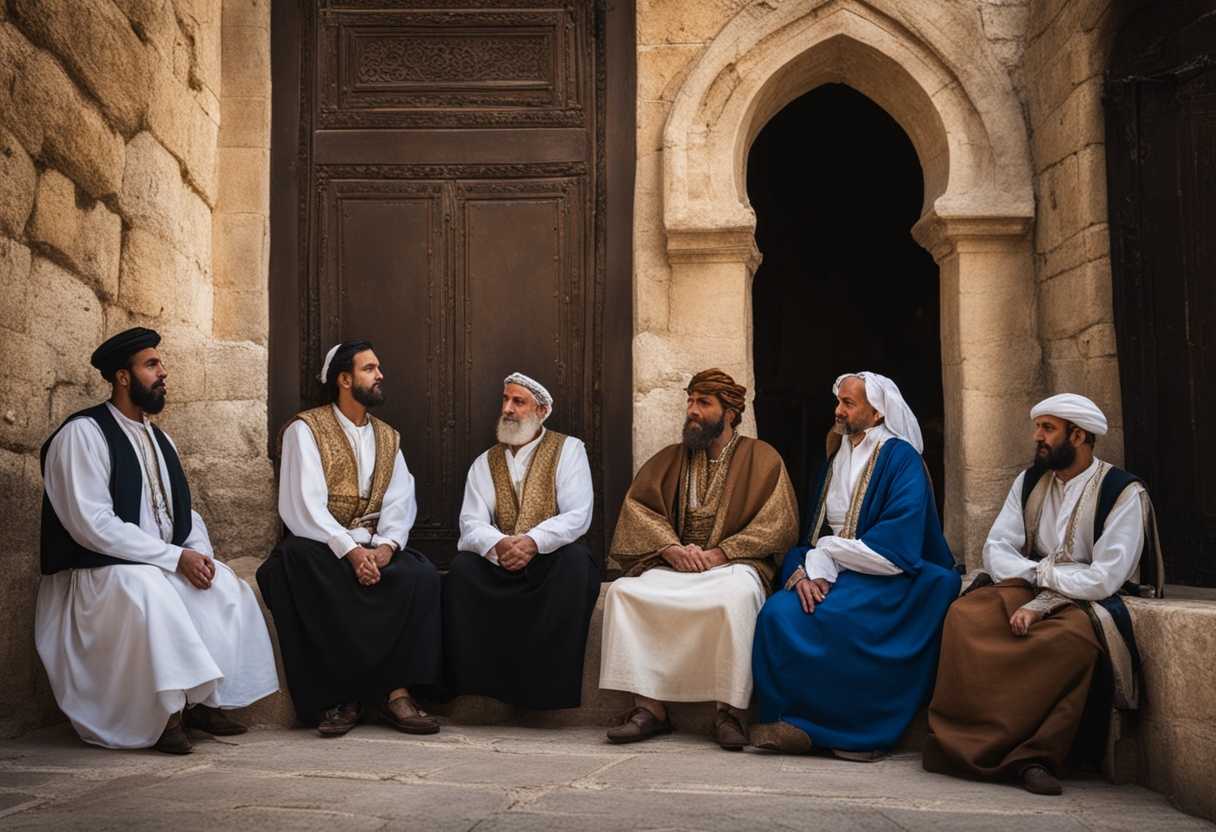
Setting the Scene for Ezra 3:1
In Ezra chapter 3, we find the scene set in Jerusalem, specifically at the location of the original temple that had been destroyed by the Babylonians. The chapter begins with the Israelites who had returned from exile in Babylon, led by Zerubbabel and Jeshua, gathering together in Jerusalem. The people were filled with a sense of purpose and determination to rebuild the temple of the Lord.
As the chapter unfolds, we see the priests, Levites, and other Israelites coming together to work on the reconstruction of the temple. The scene is one of unity and dedication as the people set about the monumental task of rebuilding the house of the Lord. Despite the challenges they faced, including opposition from neighboring peoples, the Israelites remained steadfast in their commitment to restoring the temple to its former glory.
The surroundings are likely a mix of rubble from the destroyed temple and the beginnings of new construction. The atmosphere is filled with a sense of hope and anticipation as the people work tirelessly to lay the foundation of the new temple. The scene is a powerful reminder of the faithfulness of God and the resilience of His people as they come together to fulfill His purposes.
What is Ezra 3:1 about?
Imagine the scene: the Israelites, who had faced challenges and setbacks, are now rebuilding their altar and laying the foundation for their temple. This act symbolizes not just physical construction but also spiritual renewal and dedication. It represents their commitment to God and their faith in the promise of a better future.
What lessons can we draw from this verse? It teaches us about resilience in the face of adversity, about the importance of worship and connection with the divine, and about the power of community coming together for a shared purpose. It is a reminder that even after times of destruction and despair, we can rebuild and start anew, with faith as our foundation. Let us reflect on this verse and ask ourselves: What altars do we need to rebuild in our own lives? What foundations are we laying for our spiritual growth and connection with our beliefs? Let us draw inspiration from the Israelites and remember that even in the darkest moments, we can always renew and rebuild.
Understanding what Ezra 3:1 really means
The Book of Ezra unfolds during a pivotal period in Jewish history, as the exiles return from Babylonian captivity. Ezra 3:1 captures a crucial moment when the Israelites unite to reconstruct the altar and temple in Jerusalem, symbolizing their collective dedication to restoring their place of worship and reaffirming their covenant with God. This verse shines a spotlight on the unity and collaborative spirit that characterized the Israelites’ mission.
Drawing parallels with related passages such as Nehemiah 8:1, which depicts the people gathering to hear the Law, underscores the significance of communal worship and togetherness. Acts 2:1, portraying believers united on the day of Pentecost, showcases the divine power and presence that accompany unity among God’s people. Psalm 133:1 beautifully articulates the blessings that flow from harmony and solidarity within the community of faith.
In today’s world, marred by division and self-centeredness, the message of unity and collective worship resonates profoundly. It serves as a poignant reminder of the spiritual fortitude and rejuvenation that stem from congregational unity. Consider a community grappling with a natural disaster; as individuals join forces, pooling resources and efforts, they not only rebuild homes but also fortify bonds and faith—a reflection of the unity and joint endeavor mirrored in Ezra 3:1.
The mention of “the seventh month” in Ezra 3:1 alludes to Tishri in the Jewish calendar, a time rich with religious festivals like the Feast of Trumpets and the Day of Atonement. This temporal context underscores the essence of spiritual revival and commitment. Furthermore, the phrase “The Israelites had settled in their towns” signifies a return to ancestral lands, symbolizing a reconnection with heritage and roots. The powerful imagery of “the people assembled together as one in Jerusalem” vividly portrays a shared resolve towards a common goal, emphasizing the pivotal role of community and collective faith in accomplishing monumental tasks.
In conclusion, Ezra 3:1 stands as a poignant testament to the significance of unity, communal worship, and the revitalization of faith. It beckons us to unite, particularly in times of adversity, to not only rebuild physical structures but also to fortify our spiritual foundations. This verse serves as a timeless beacon, guiding us towards a deeper understanding of the transformative power of unity and collective devotion in our journey of faith.
How can we rebuild sacred spaces in our lives?
We can rebuild sacred spaces in our lives by first acknowledging the importance of these spaces. We should prioritize creating spaces in our lives that are dedicated to our spiritual well-being and connection with the divine, just as the Israelites in the verse prioritized rebuilding the altar of the Lord. This can involve setting aside time for prayer, meditation, and reflection, as well as creating physical spaces in our homes that are conducive to spiritual practices.
Furthermore, we can rebuild sacred spaces in our lives by actively engaging in the process of renewal and restoration. We can seek support from others who share our spiritual values and goals, just as the Israelites gathered together to rebuild the altar. We can draw strength and inspiration from one another as we foster a sense of community and collaboration in our pursuit of sacred spaces, working towards creating environments that nurture our souls and deepen our connection with the divine. Ultimately, we must commit to prioritizing our spiritual well-being and making intentional efforts to create environments that support and enhance our connection with the sacred in order to rebuild sacred spaces in our lives. We can cultivate sacred spaces that enrich our lives and bring us closer to the divine by recognizing the importance of these spaces, actively engaging in the process of renewal, and seeking support from like-minded individuals.
Application
Just like team projects at work or family events, unity can transform lives. Ezra 3:1 shows us the power of coming together. Think about the parts of your life or community that need rebuilding. Can you join forces with others to restore and grow what’s been neglected? Your active participation can drive real change. Will you rise to the challenge and help build up your faith community?

Reverend Michael Johnson is an experienced Church Minister with a profound expertise in spirituality and guidance. With a serene presence and a compassionate heart, he has faithfully served his congregation for over 20 years, leading them on a spiritual journey towards inner peace and enlightenment. Reverend Johnson’s extensive knowledge of religious philosophies and profound understanding of human nature have made him a trusted confidant and mentor to many, as he seamlessly weaves his profound wisdom into life teachings. Reverend Johnson’s calming demeanor and empathetic nature continue to uplift and heal souls, nurturing a sense of unity and tranquility within his community.