
Ezra 5:1-2 is about the prophets Haggai and Zechariah encouraging the people of God to resume the rebuilding of the temple despite opposition, highlighting the importance of perseverance and faithfulness in fulfilling God’s plans.
1 Now the prophets, Haggai the prophet and Zechariah the son of Iddo, prophesied to the Jews who were in Judah and Jerusalem, in the name of the God of Israel who was over them.
2 Then Zerubbabel the son of Shealtiel and Jeshua the son of Jozadak arose and began to rebuild the house of God that is in Jerusalem, and the prophets of God were with them, supporting them.
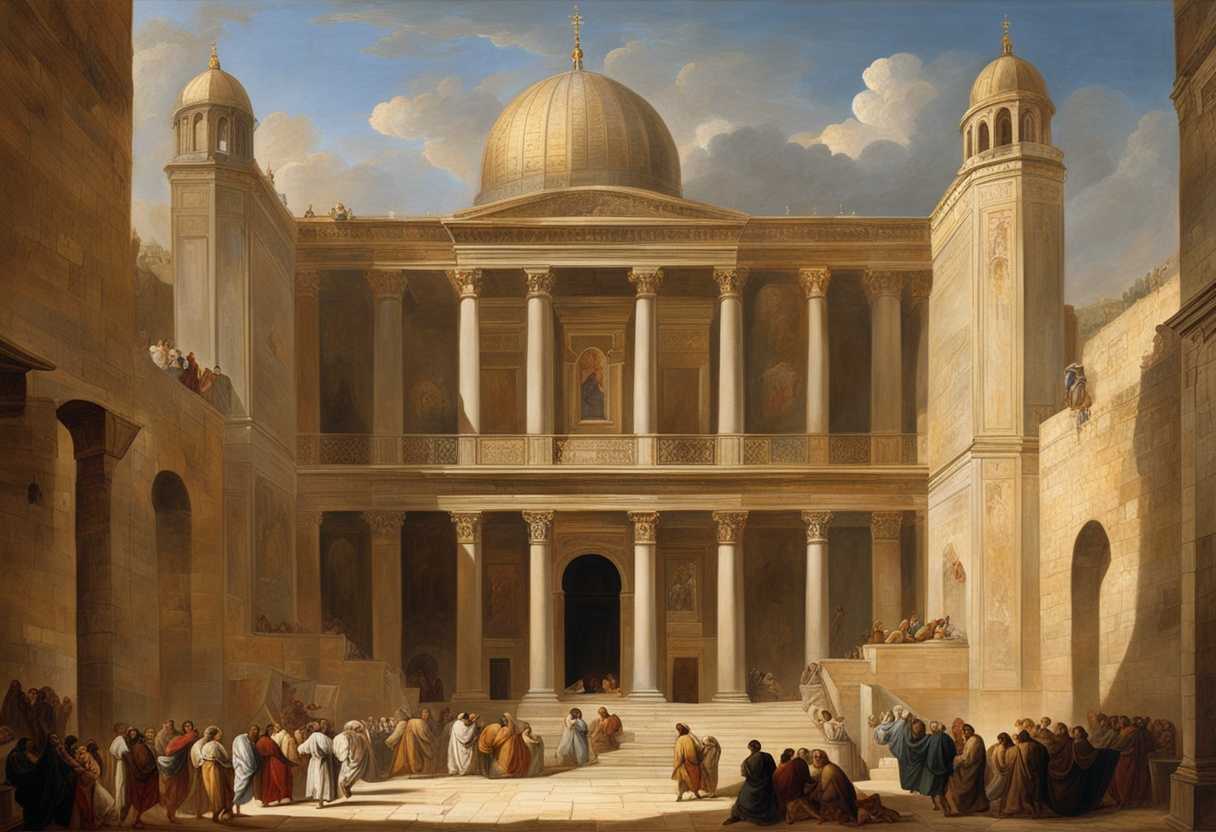
Setting the Scene for Ezra 5:1-2
In Ezra chapter 5, we find the scene set in the province of Judah, specifically in Jerusalem. The main characters in this scene are the prophets Haggai and Zechariah, along with the leaders of the Jewish community, Zerubbabel and Jeshua. These individuals have come together in response to the prophetic messages of Haggai and Zechariah, urging the people to resume the construction of the temple of the Lord.
The setting is the partially rebuilt temple in Jerusalem, with the foundation laid but the work halted due to opposition and lack of resources. The leaders and prophets have gathered to encourage the people to prioritize the rebuilding of the temple, emphasizing the importance of honoring God and fulfilling His commandments. Despite facing challenges and opposition from neighboring peoples, the group is united in their determination to see the temple completed and to restore the worship of the Lord in Jerusalem.
As they stand amidst the ruins of the temple, the leaders and prophets inspire the people with their words of faith and determination, reminding them of God’s faithfulness and urging them to trust in His promises. The scene is filled with a sense of purpose and unity as the community rededicates themselves to the task at hand, setting the stage for the continued work on the temple and the restoration of worship in Jerusalem.
What is Ezra 5:1-2 about?
Haggai and Zechariah step up to encourage and motivate the people to rebuild the temple in this verse. They serve as voices of inspiration and guidance during a challenging time. Have you ever faced a daunting task or obstacle that seemed insurmountable? It is in those moments that we often turn to mentors or wisdom figures for support and direction.
Just like Haggai and Zechariah, these prophets show us the importance of community support and leadership in times of difficulty. Have you ever been in a situation where you needed to rally others around a common goal or cause? Their actions remind us of the power of unity and collective effort towards a shared vision. It is a reminder that we are stronger together and that with the guidance of wise voices, we can overcome any adversity. Reflect on how you can be a source of encouragement and inspiration for others in your own community or circle of influence.
Understanding what Ezra 5:1-2 really means
Ezra 5:1-2 unveils a pivotal moment in the history of the Jewish people, where the prophets Haggai and Zechariah stepped in to provide crucial encouragement to Zerubbabel and Jeshua, urging them to resume the monumental task of rebuilding the temple in Jerusalem. This narrative unfolds against the backdrop of the post-exilic period, a time marked by restoration and renewal for the Jewish community as they sought to reclaim their identity and faith.
The mention of Haggai and Zechariah as prophets underscores their divine calling to inspire and guide the people in fulfilling God’s purposes. Their messages, delivered to the Jews in the name of the God of Israel, carried weight and authority, emphasizing the spiritual significance of the temple’s reconstruction. Zerubbabel and Jeshua, as civic and religious leaders respectively, symbolize the unity and collaboration required to advance God’s work amidst challenges and opposition.
Drawing parallels from related biblical passages such as Haggai 1:1-15 and Zechariah 4:6-10, we witness the themes of prioritizing God’s work, relying on His Spirit, and the role of visionary leadership in accomplishing communal goals. Nehemiah’s example in Nehemiah 2:17-18 further underscores the importance of rallying the community towards a shared purpose, highlighting the collective effort needed for significant undertakings.
In a contemporary context, Ezra 5:1-2 resonates with individuals facing adversity, reminding them of the availability of divine encouragement and guidance in challenging times. The narrative also underscores the significance of unified leadership in navigating obstacles and achieving communal objectives, mirroring the cooperation between Zerubbabel and Jeshua in fulfilling God’s plan. Ultimately, the rebuilding of the temple symbolizes the restoration of worship and community, urging us to align our efforts with God’s redemptive purposes.
Consider a scenario where a community embarks on rebuilding a center post-disaster, facing initial enthusiasm followed by dwindling motivation. Yet, inspired leaders and members reignite the vision, emphasizing the project’s importance and collective benefit, leading to successful completion. This narrative parallels Ezra 5:1-2, where prophetic encouragement reignited commitment to rebuild the temple, restoring the spiritual and communal life of the Jewish people through perseverance and unity.
In conclusion, Ezra 5:1-2 serves as a timeless testament to the power of divine encouragement, the significance of cohesive leadership, and the call to steadfastly pursue God’s purposes. It stands as a beacon of hope, reminding us that with faith, unity, and perseverance, we can surmount obstacles and achieve remarkable feats for the glory of God.
How can we discern God’s presence in opposition?
The prophets Haggai and Zechariah show God’s presence in opposition through their actions in the passage. These prophets encouraged the people to continue rebuilding the temple despite facing opposition from their enemies. This shows that God was with them, empowering and guiding them through the challenging circumstances. God’s presence in opposition is evident in the perseverance and determination of the people to follow His will, even in the face of resistance.
Furthermore, the fact that the opposition in this passage ultimately led to the king’s decree supporting the rebuilding of the temple is a clear indication of God’s hand at work. Despite the initial obstacles and setbacks, God’s plan prevailed, and His presence was manifested through the eventual success of the temple reconstruction. This serves as a reminder that God’s presence can bring about favorable outcomes even in the midst of opposition and adversity. By recognizing God’s presence in opposition, we can find strength and reassurance in knowing that He is with us in all circumstances, guiding and supporting us through challenges and obstacles. We too can trust in His faithfulness and sovereignty, even when faced with adversity, just as the people in this passage experienced God’s presence in their opposition.
Application
Let’s learn from Zerubbabel and Jeshua’s unwavering determination in rebuilding the temple; they didn’t let obstacles stop them. In our spiritual journeys, we must stand strong in the face of challenges and keep moving forward with unwavering faith. Let’s be like them, not backing down in the face of opposition. Will you rise to the occasion and show resilience in your faith journey today?

Reverend Michael Johnson is an experienced Church Minister with a profound expertise in spirituality and guidance. With a serene presence and a compassionate heart, he has faithfully served his congregation for over 20 years, leading them on a spiritual journey towards inner peace and enlightenment. Reverend Johnson’s extensive knowledge of religious philosophies and profound understanding of human nature have made him a trusted confidant and mentor to many, as he seamlessly weaves his profound wisdom into life teachings. Reverend Johnson’s calming demeanor and empathetic nature continue to uplift and heal souls, nurturing a sense of unity and tranquility within his community.